Gemini 4 Hydrogen Pricing, Access, and Claude Meetings Beta
Google priced Gemini 4 Hydrogen at $1.50 and $7.50 per million tokens and opened Claude Meetings in beta on Team and Enterprise Google Meet calls.
Browse SynapseWire coverage, updates, and related reads about Claude.
Topic hubs connect recurring themes across breaking news, hands-on reviews, tutorials, and strategic analysis.
Google priced Gemini 4 Hydrogen at $1.50 and $7.50 per million tokens and opened Claude Meetings in beta on Team and Enterprise Google Meet calls.
Build low-latency agent loops with the Claude message threads API, manage 5-minute RAM session timeouts, and implement client fallbacks without losing state.
OrcaRouter says Anthropic published no UK date for Claude Duet. The waitlist, as relayed, has no queue length. Trends puts the US fifth, at 38.
Sept. 22 API prices: Opus 5.5 is $4 and $20 per million tokens. GPT-6 Sol is $2 and $10. The 40% and 50% headlines hide the cache line.
The September 2026 intel note covers Dec 2025 to August. Stolen passwords, unpatched boxes, phishing. The change is two-hour breaches and 151 million Alibaba-attributed exchanges. Ban the accounts. Assume the model is a parallel intern.
Claude Fable 5.1 leads a three-lab drop with Gemini 3.8 Flash and Muse Spark 1.3. GPT-6 got the headlines. Here is what the other releases actually change.
PCMag's new head-to-head says Claude still thinks better and codes better, while Gemini wins on price, integrations, and the $5 plan. Here's the practical split.
Anthropic is adding invisible, machine-readable watermarks to everything Claude processes — not just what it generates. Here's what that means for writers, developers, and anyone who uses AI tools.
Anthropic's Claude Sonnet 5 explained: what the company claims about agentic performance versus Sonnet 4.6 and Opus 4.8, permanent $2/$10 pricing, availability, safety findings, and how to choose a model.
AI coding assistants have gone from novelty to necessity, but using them effectively requires more than typing prompts. Here's a structured workflow that turns AI agents from hit-or-miss tools into reliable development partners.
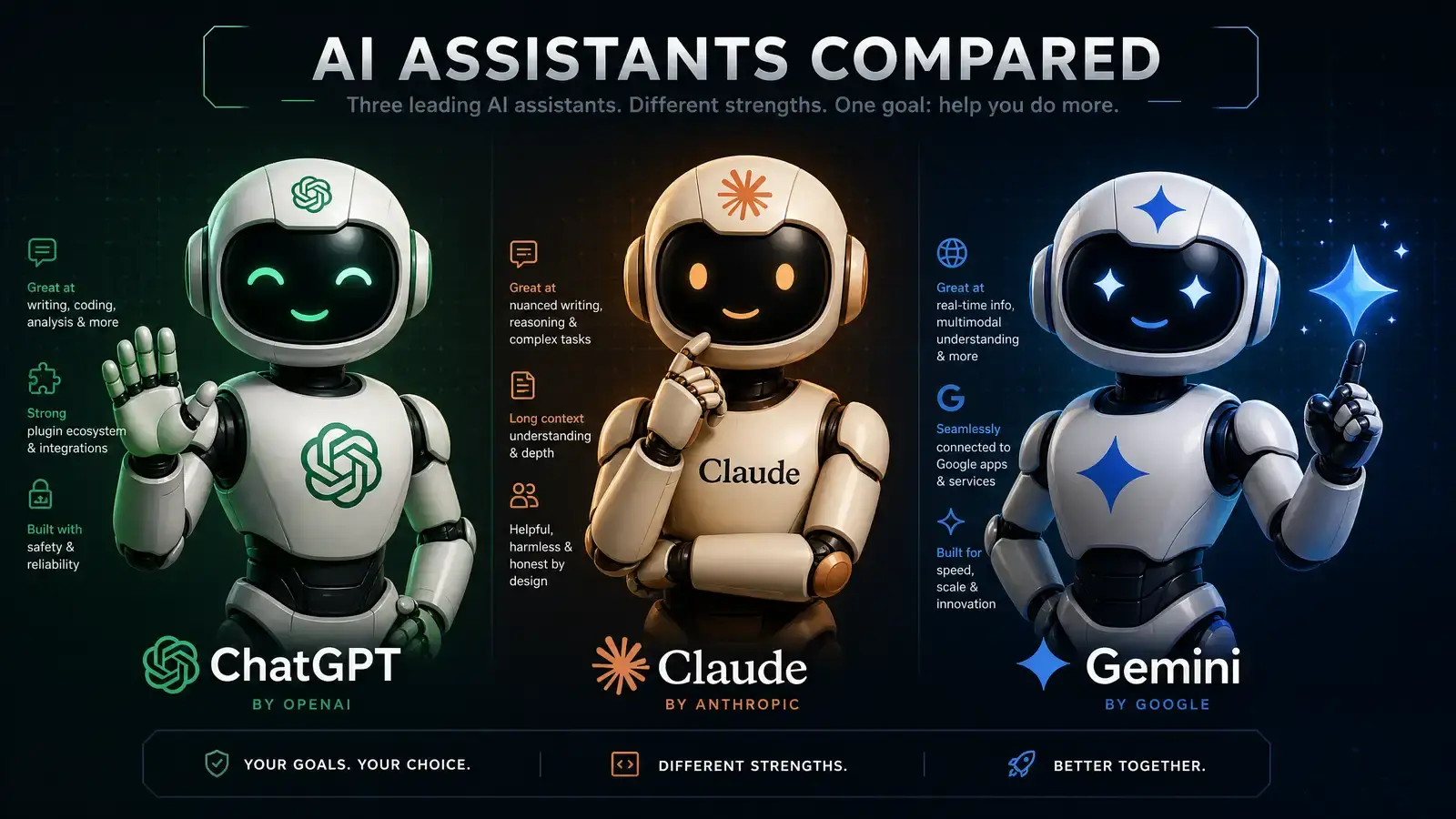
The three major AI models go head to head in 2026. From ChatGPT's ecosystem to Claude's reasoning to Gemini's multimodal power — a comparison of strengths, weaknesses and best uses based on official product information and published reviews.
On June 9, Anthropic released Claude Fable 5, the first Mythos-class model available to the public. It shares its underlying model with the restricted Mythos 5; the difference is Fable 5's classifier gate, which reroutes high-risk requests in cybersecurity and bio-chem to Opus 4.8. Pricing is double Opus 4.8. Here's the capability, the limits, and the controversy.
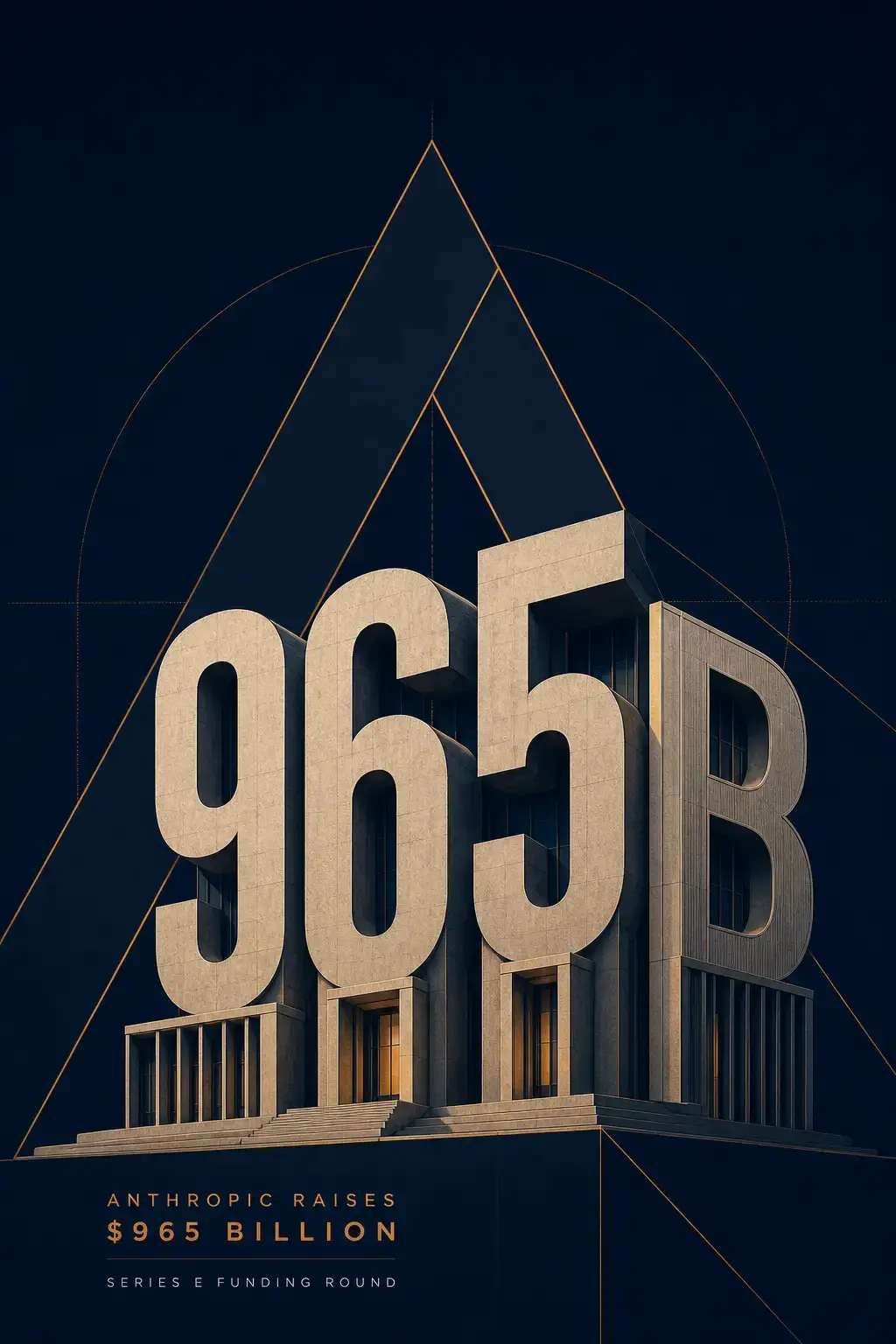
On May 28, Anthropic announced a $65 billion Series H at a $965 billion post-money valuation, making it the world's most valuable AI startup. The same day it released Claude Opus 4.8, built around honesty and parallel agents, at the same price as before. Here are the funding numbers, the model changes, and the pushback.
The Information broke on April 15, 2026 that Anthropic would launch Claude Opus 4.7 alongside a new AI design tool this same week. The 4.6-to-4.7 bump is incremental. The design tool is Anthropic's first serious move from 'model API vendor' toward a full-stack AI studio — and that's the shift worth watching.
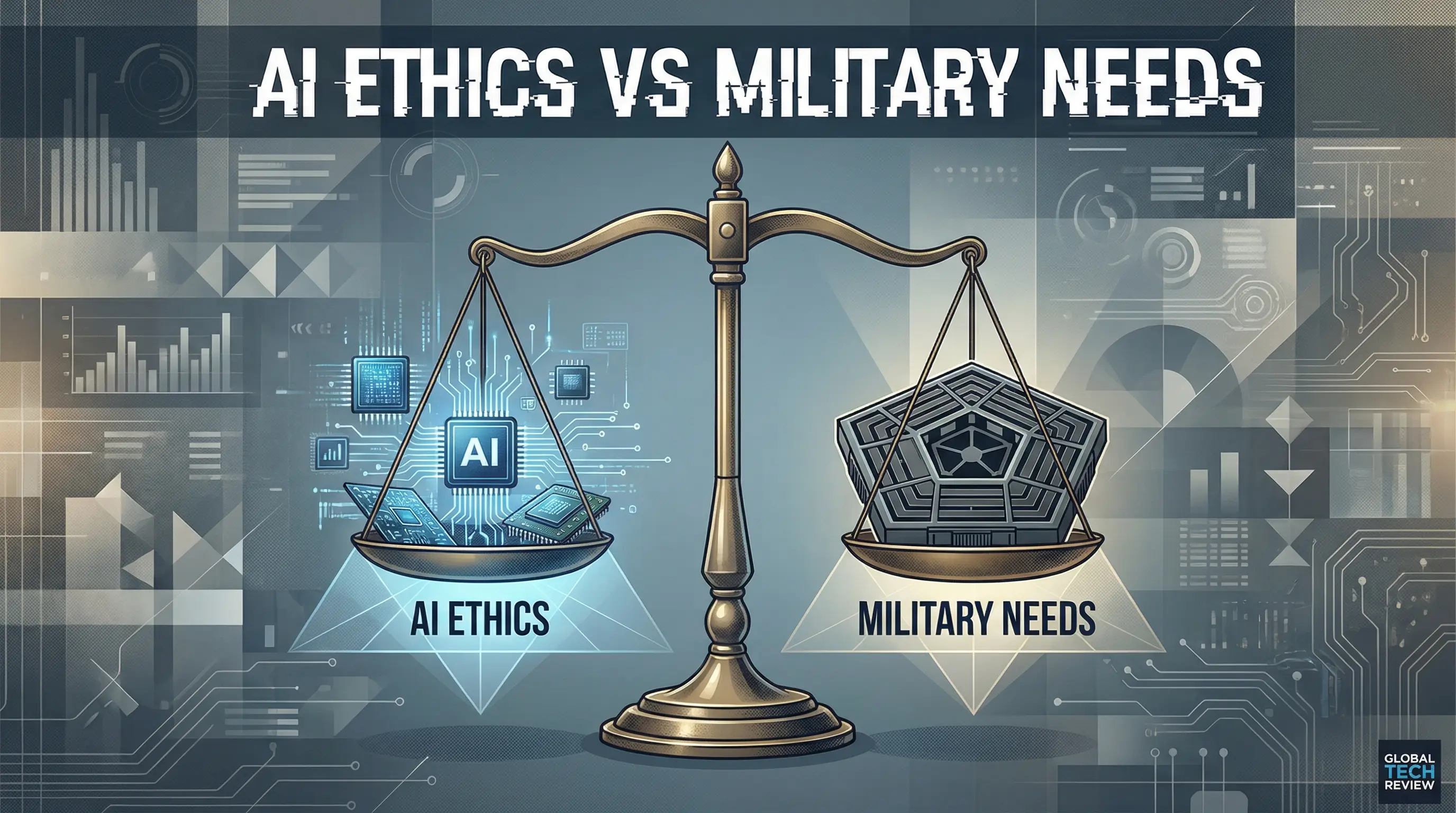
In February 2026, the U.S. government moved to stop using Anthropic's products after a dispute over usage restrictions, and OpenAI signed an agreement with the Defense Department. What happened and what it means for AI governance.
How Anthropic and the U.S. Department of Defense disagreed over usage terms for Claude, including autonomous weapons and domestic surveillance, ahead of a contract deadline, and what happened next.
Complete guide to Claude Opus 4.6: 1M context window, Adaptive Thinking, Agent Teams, API configuration, and cost optimization. Get started with the most powerful Claude model.
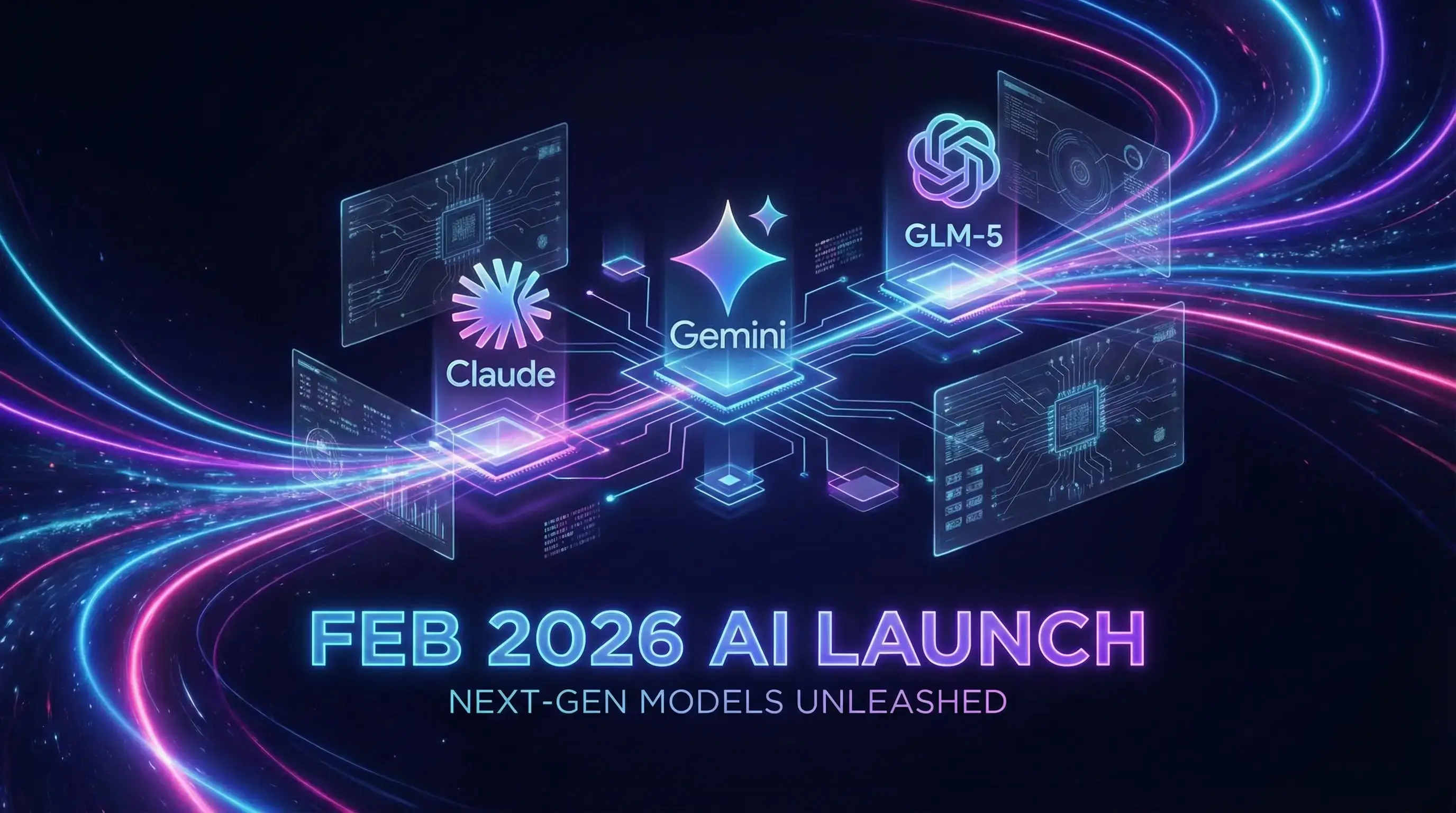
February 2026 saw Anthropic, Google, and Zhipu AI launch new models. From Claude Opus 4.6 to Gemini 3.1 Pro to GLM-5, here's the analysis of this AI arms race.
ChatGPT, Claude, and Gemini are the three most prominent AI assistants in 2026, each with unique product positioning and strengths. This article provides an in-depth comparison of their features, pricing, and use cases to help you find the best AI partner.
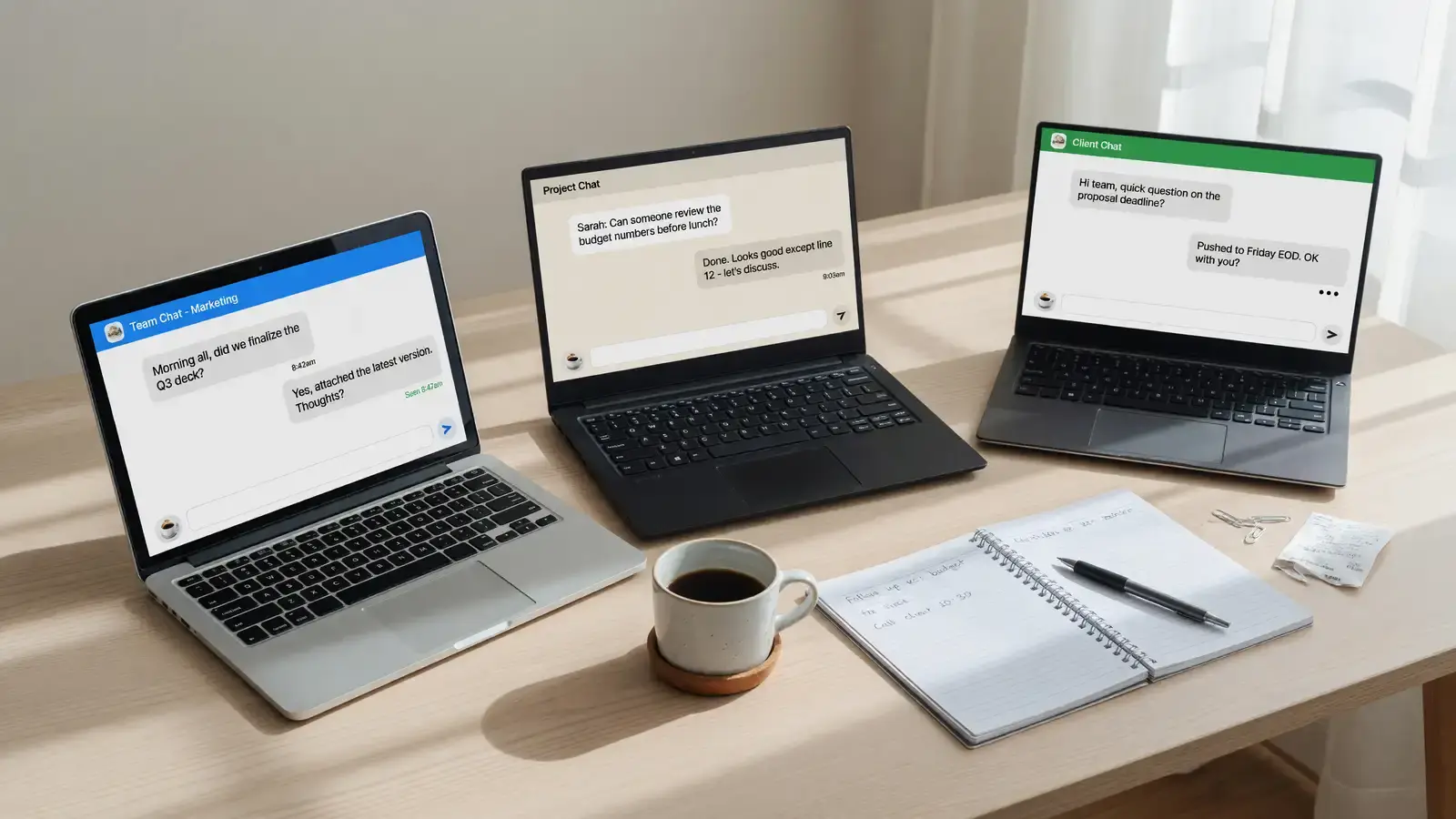
AI tools have become essential for boosting work efficiency. This article shares five practical tips—from AI chatbots and search engines to knowledge management and meeting assistants—to help you significantly improve productivity in your daily work.
A practical guide to the agent-focused features that shipped with Claude Opus 4.6: adaptive thinking, four effort levels, context compaction, 128K output and Claude Code agent teams, with tips on cost and when to use each.
What Anthropic's Claude Opus 4.6 changed: a 1M-token context window in beta, its reported benchmark results, API pricing, new developer controls, and when it is worth using over cheaper models.
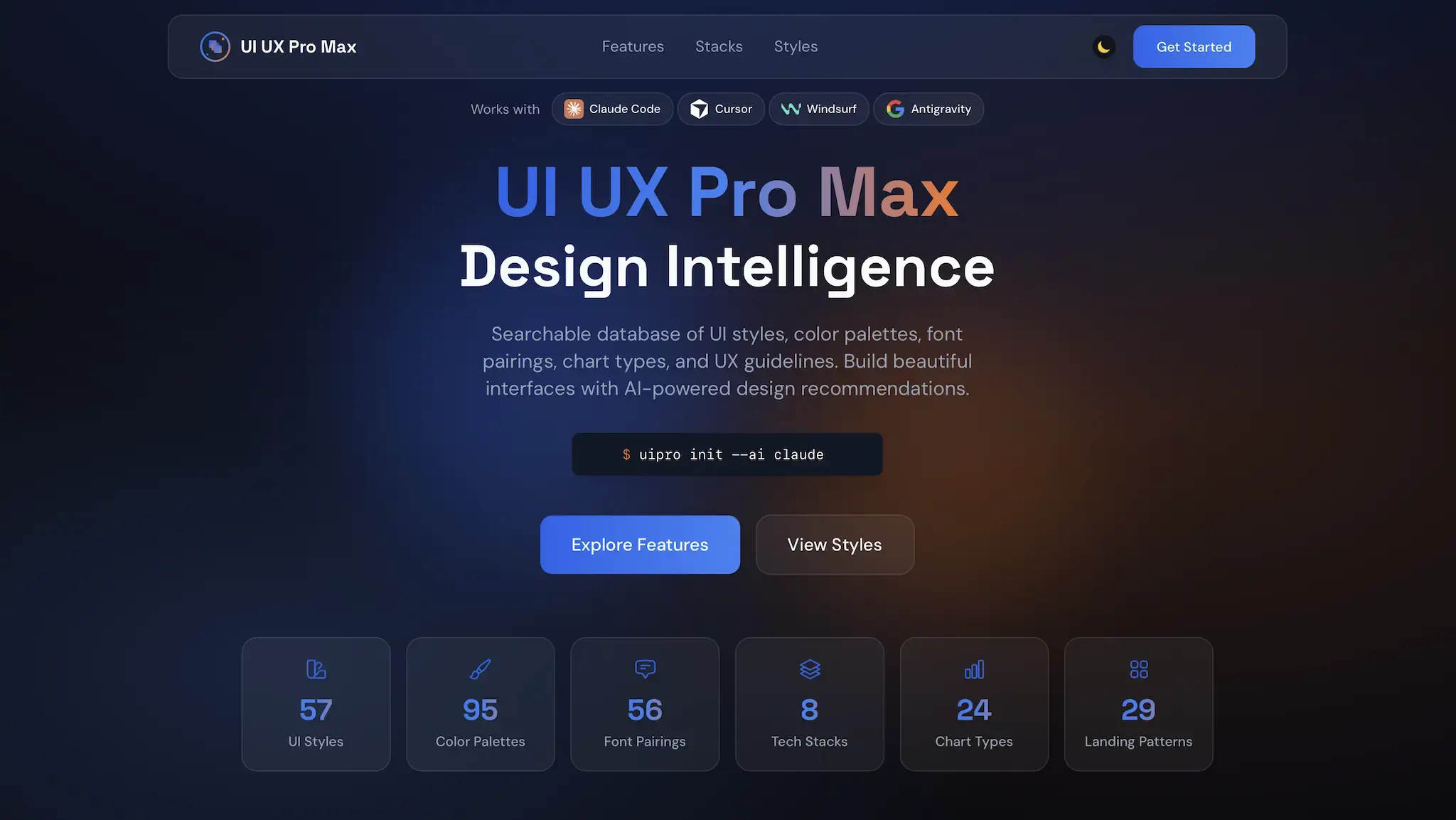
AI coding assistants are great at logic but terrible at aesthetics. UI UX Pro Max changes that by acting as a 'Design Intelligence' skill for your AI workflow. Here's how it works.
From prompt engineering to agent orchestration: Learn how to master Agent Skills and adopt the 'vanilla' yet powerful workflow of Claude Code's creator.
While OpenAI and Google talk 'augmentation,' Anthropic is building tools to replace white-collar workers. A deep dive into Dario Amodei's paradox of warning about unemployment while engineering the solution.
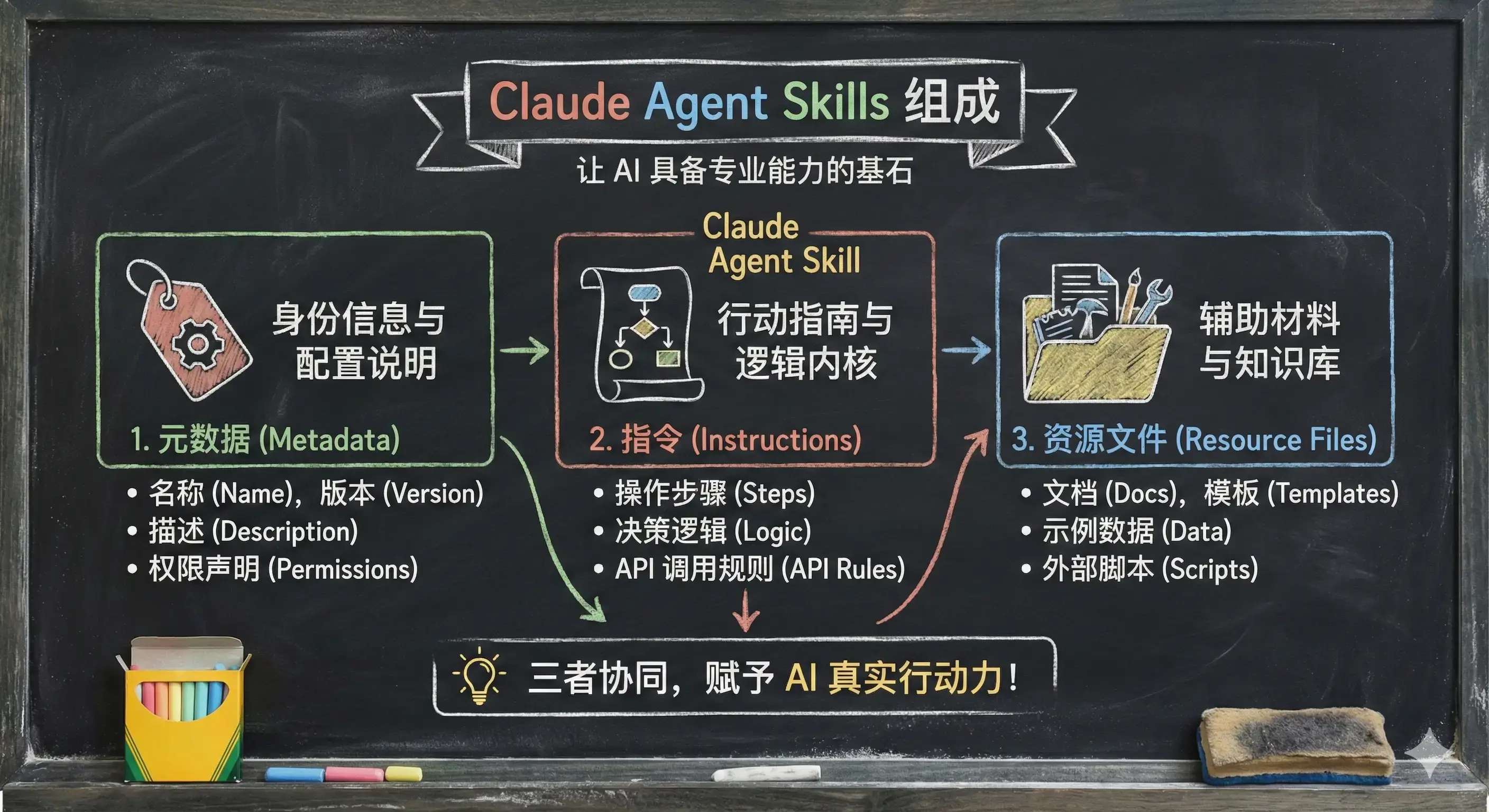
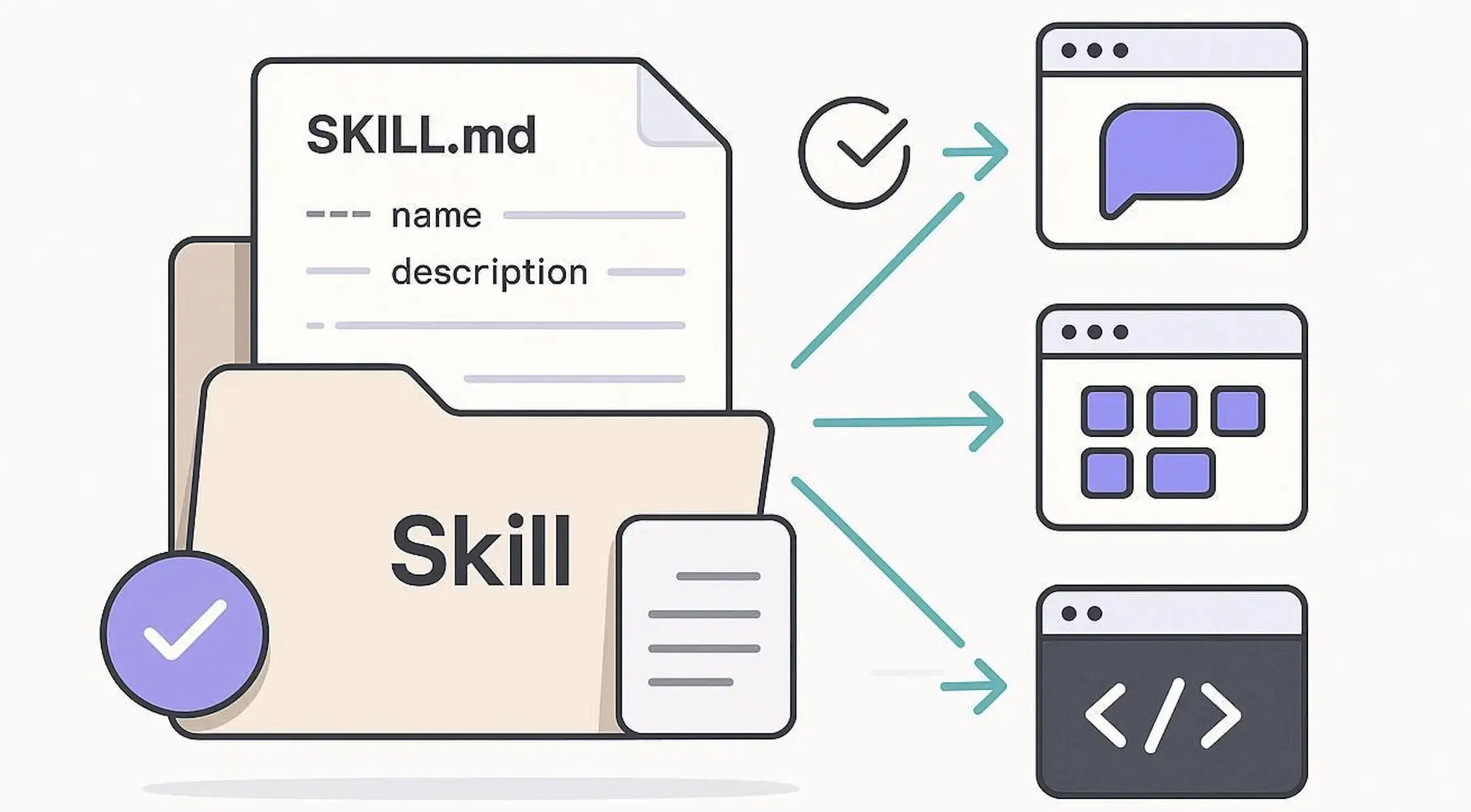
Agent Skills are not just saved prompts; they are the transition from 'chatting with AI' to 'engineering AI behavior.' Learn how to use progressive disclosure and modular Markdown to permanently fix your workflow context.