Genie 4: Research Preview, Native Audio, and Two-Minute Cap
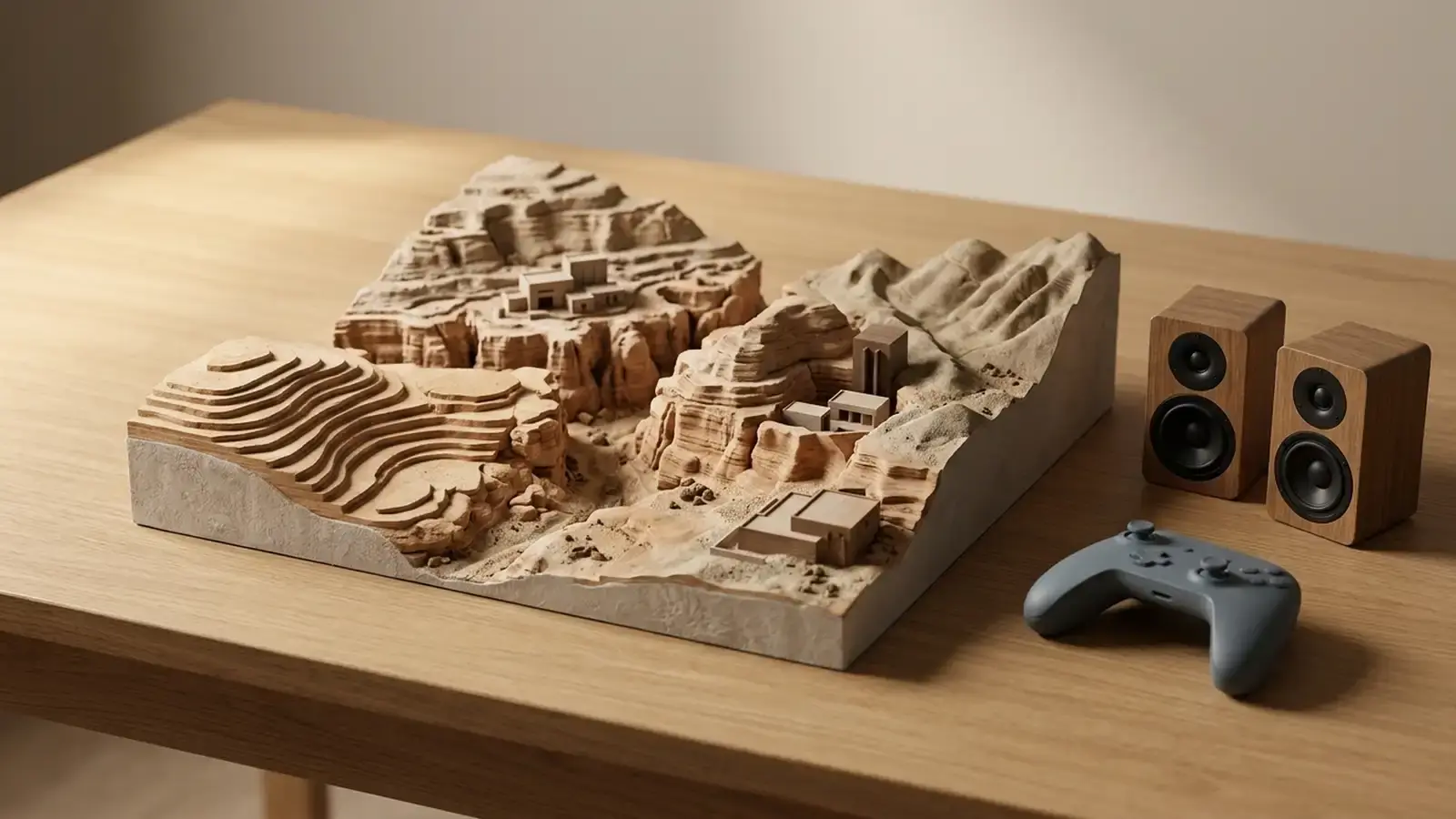
Google DeepMind unveiled Genie 4 with native audio and two-minute simulations. The research preview is live for testers ahead of Ultra access in coming weeks.
Track AIGC tools, image and video generation, prompt workflows, and creative production techniques with practical context.
Google DeepMind unveiled Genie 4 with native audio and two-minute simulations. The research preview is live for testers ahead of Ultra access in coming weeks.
VentureBeat's 22× uses 12.45 seconds against Seedance 2.5's 277.80. Unite says the release printed 10.95. That division is not 22.
Google's 1K sticker for Nano Banana 2.1 is $0.0336. The batch column is $0.0168. CNET's Oct. 12 pick is still Nano Banana 2.
PR Newswire prices Vidu Q4 Preview at $0.014 a second. GlobeNewswire, same day, starts at $0.045 and tops out at $0.39 for 4K.
Adobe closed the Topaz Labs deal on Sept. 23. Apps stay standalone, no price was disclosed, and NeuroStream is the part Adobe actually named.
OpenAI's Sept 21 note: 100 ad variants from one prompt, and one engineer shipping a feature in a day. Object swaps are the useful part. The 'in a day' line is the part to test.
Workspace now has an image editor on Nano Banana. Slides and Docs are live; Drive comes later. Gemini can already pull your Photos. Eligibility is paid plans, not every free account.
Germanidis said Runway went from about $100 million ARR in April to $200 million in September. The same day, the Kinetix team in Paris joined to work on robotics. Enterprise video is the invoice. World models are the pitch.
DataEye says 89 of Douyin's top 100 dramas in May were AI-generated. China's Q1 short-drama flood is 95% synthetic. The hit rate is brutal.
How Midjourney, OpenAI's image generation in ChatGPT and the API, and open-weight Stable Diffusion differ in workflow, control, licensing and cost model, based on official documentation, with a guide to choosing.
KOMCA reversed its ban on AI-assisted music registration, but requires strict disclosure. Here's what creators need to know about the new rules.
Anthropic is adding invisible, machine-readable watermarks to everything Claude processes — not just what it generates. Here's what that means for writers, developers, and anyone who uses AI tools.
A Munich court ruled Suno infringed GEMA copyrights and asserted jurisdiction over US-based AI training. The implications reach far beyond music.
Two landmark cases in one week are reshaping who owns the data that trained the models we use every day.
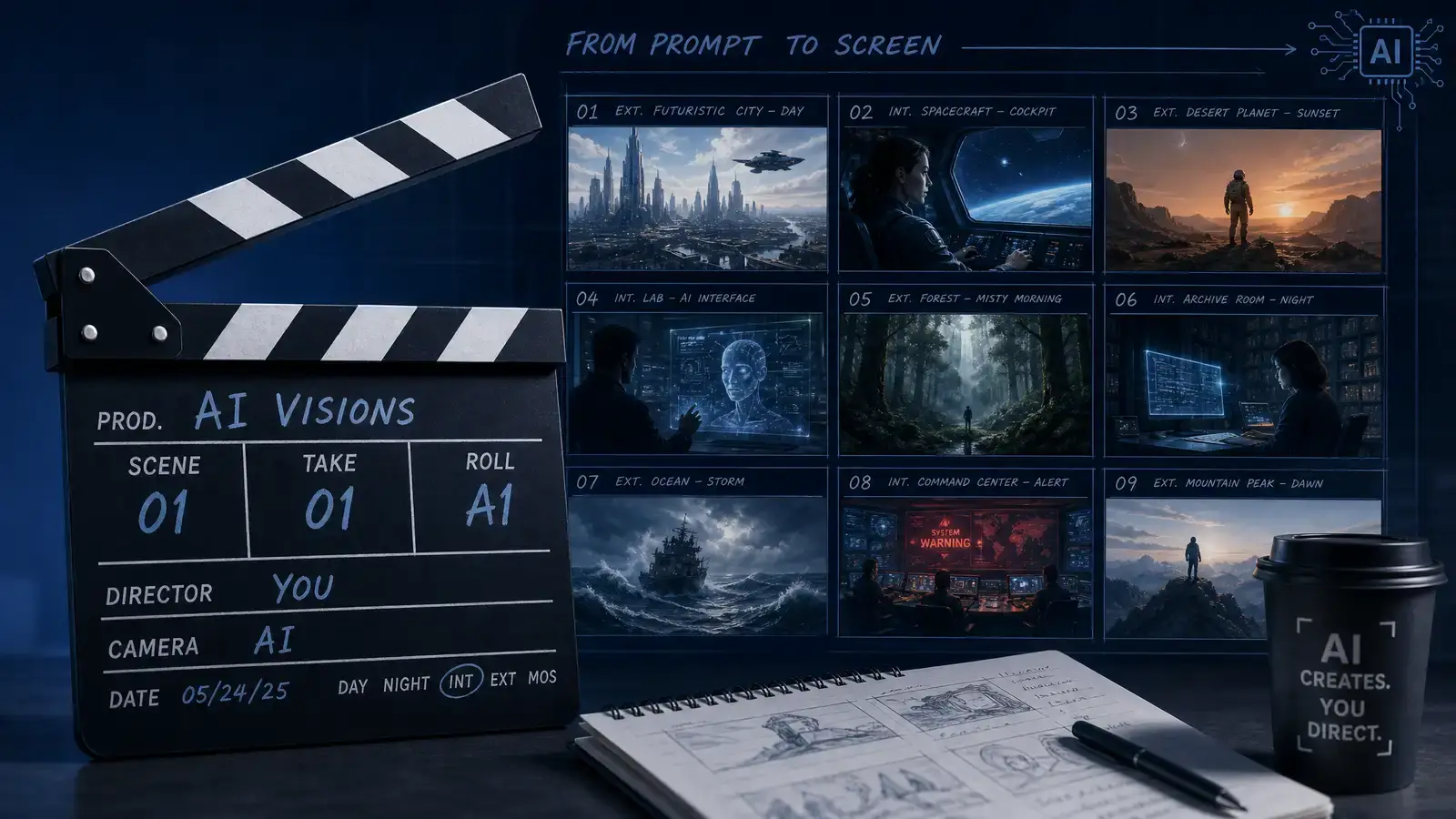
The District 9 director used Seedance 2.0 to create a 13-minute sci-fi horror short, directing frame by frame through text prompts. It's the most significant endorsement of AI filmmaking from a major director yet.
A supply chain attack on AI music generator Suno exposed source code revealing systematic scraping of YouTube Music, Deezer, and Genius for training data. The breach also leaked customer information — and Suno never told anyone.
Meta Superintelligence Labs launches Muse Image, its first in-house AI image generator. Free, integrated across Instagram and WhatsApp, and built to reason through prompts — but the way it taps into public Instagram photos has raised eyebrows.
Krea AI has open-sourced Krea 2, its aesthetic-first image model, as two checkpoints: RAW for LoRA training and Turbo for 8-step inference. Here's how the architecture, the license, and the day-one ecosystem stack up.
From text-to-music-video to AI-powered editing suites, a new wave of tools is automating music video production. Here's what's available, how they compare, and what it means for creators.
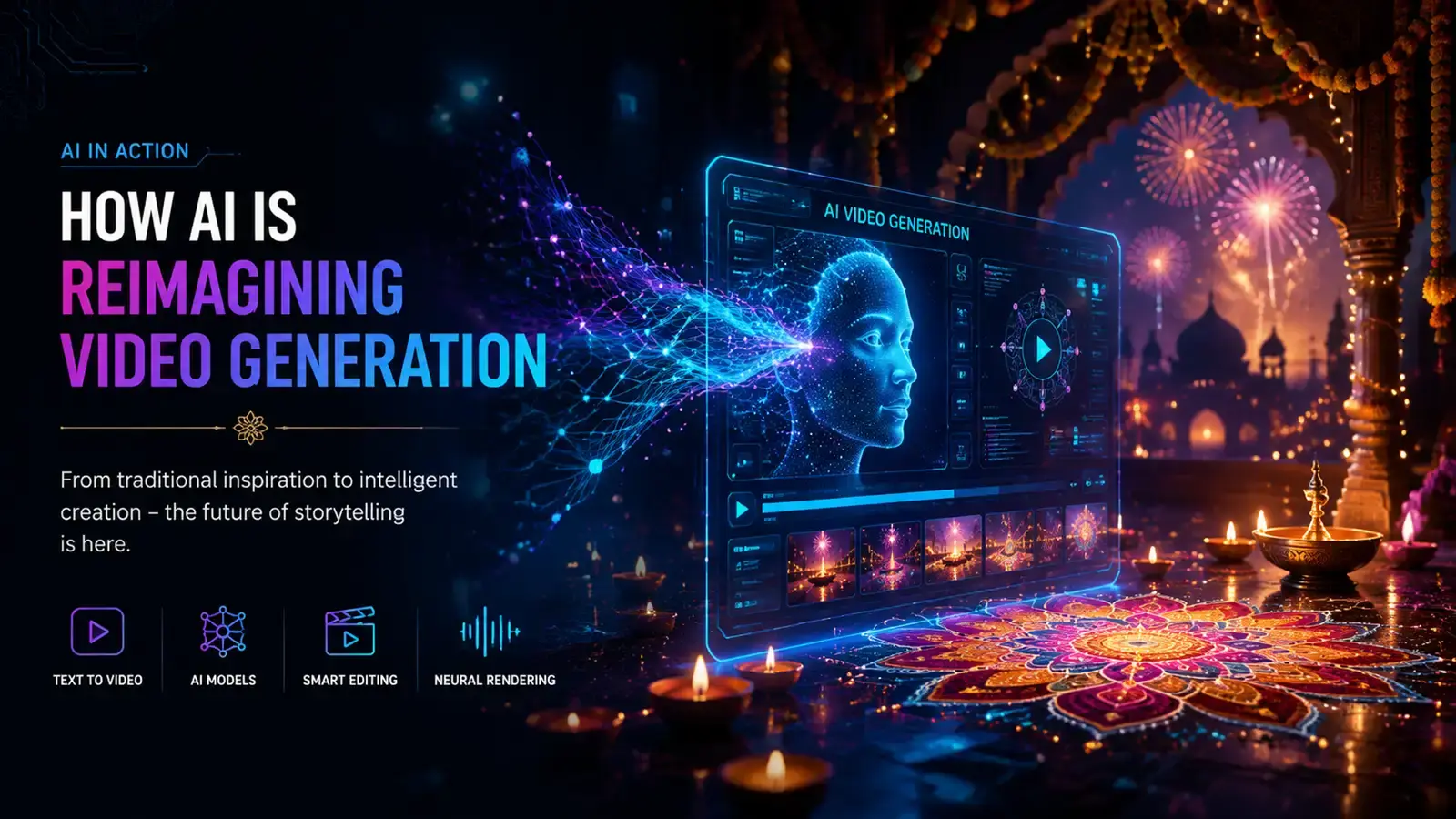
AI video tools are moving beyond single-prompt clips to full multi-scene narrative workflows with character consistency, visual continuity, and parallel generation. Here's how the technology evolved and how creators are using it.
Snap is spinning off a generative AI video team into Dotmo, a company building AI models for interactive gaming. How the licence-and-equity deal works, Bobby Murphy's role, and why AI spin-offs are used to manage cost.
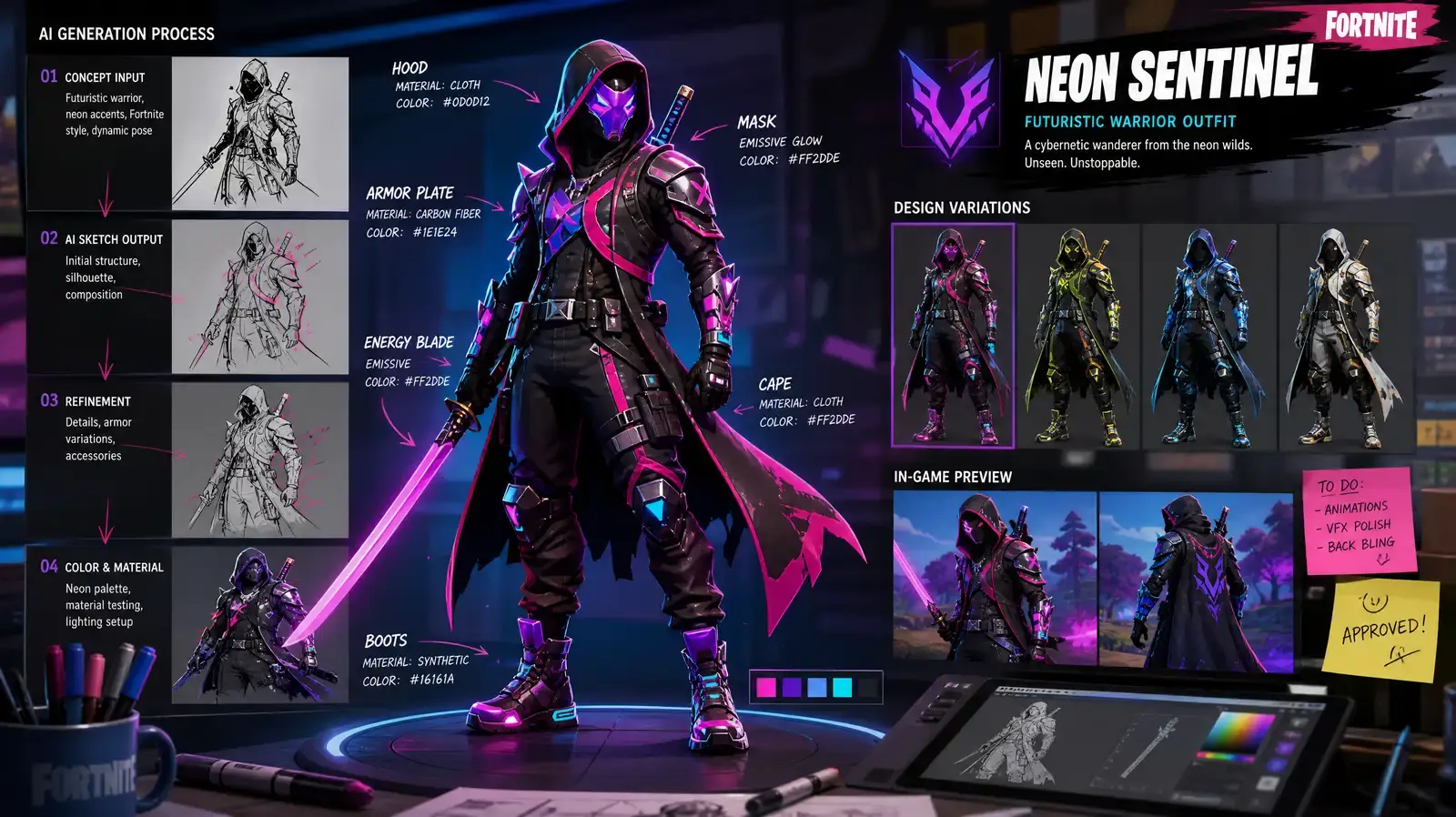
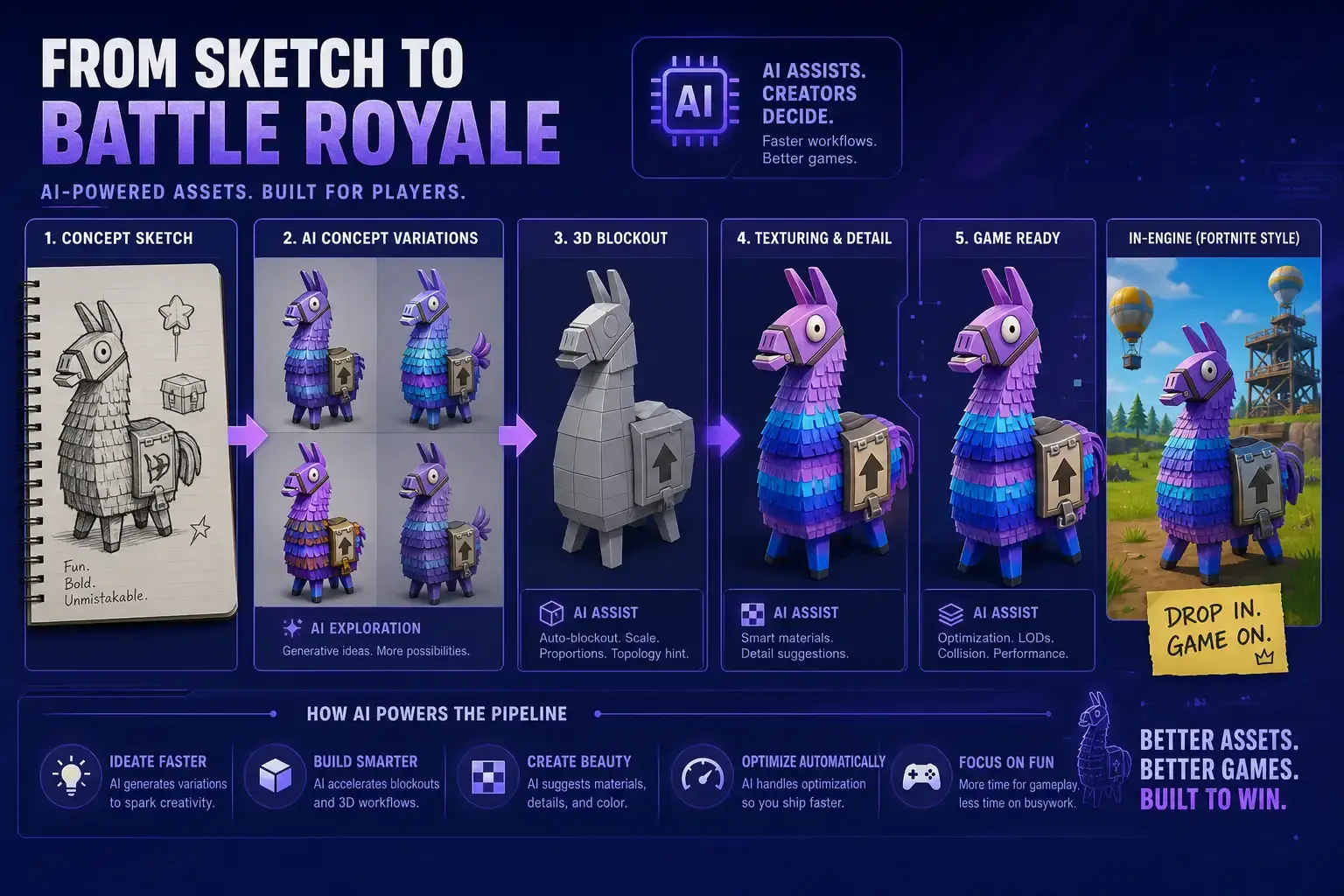
In a June 2026 video, Epic Games showed how Fortnite artists start from hand-drawn designs and 3D block-outs, then use its internal GenMedia Bridge tool with Nano Banana and GPT Image for rendering and variations. Here is what the video shows, what Epic said, and what remains unanswered.
Epic Games breaks the silence on AI-generated assets in Fortnite, revealing a hybrid human-AI workflow for character skin and concept art design. The disclosure comes amid a wave of generative AI controversies across major game studios.
Indian startup Avataar AI releases Varya, a video generation model distilled from Alibaba's open-source Wan 2.2, delivering 10x speed gains, dramatically lower costs, and deep cultural adaptation for the Indian market — backed by the government's $1.2B India AI Mission.
In 2026, AI video tools evolve from generating clips to orchestrating multi-scene narratives with character persistence and story awareness.
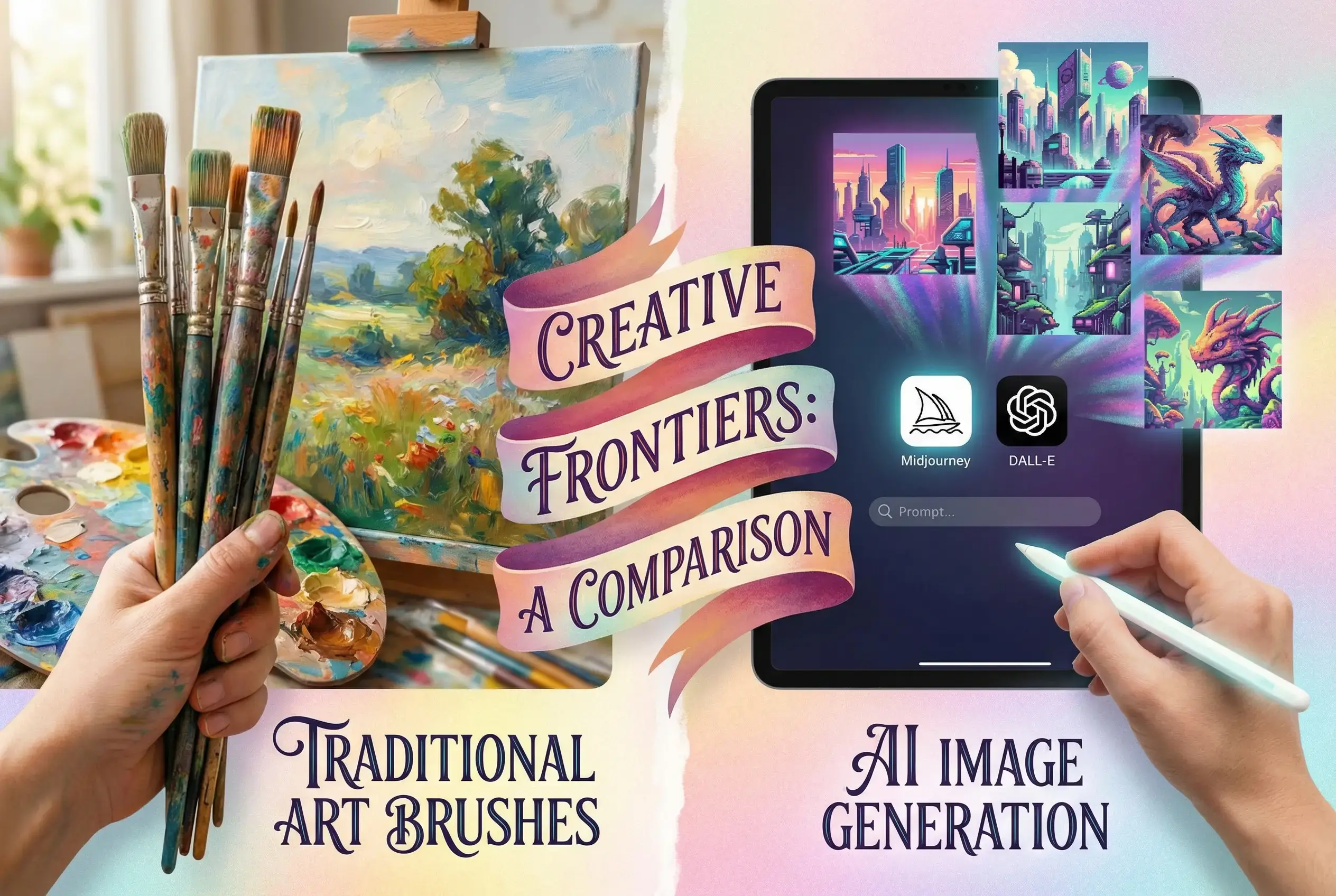
Midjourney V7 and DALL-E 4 are the most prominent AI image generation tools in 2026. This article provides a comprehensive comparison across image quality, user experience, features, and use cases to help professional creators make informed choices.
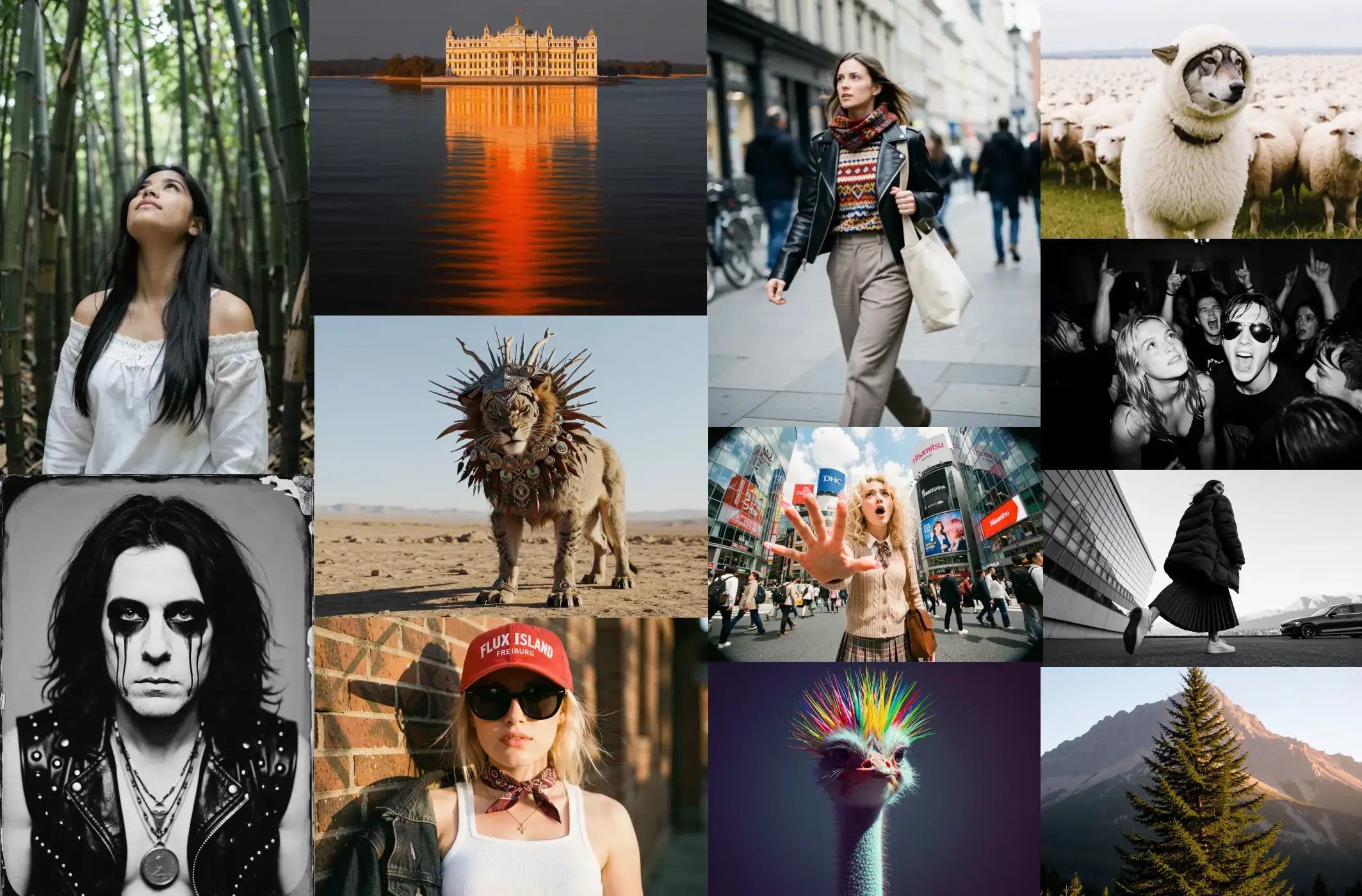
Black Forest Labs releases the FLUX.2 Klein series, unifying text-to-image and editing in one compact model. A guide to the 4B and 9B versions, what they are designed for, and how to get started.
Stop getting lost in buzzwords. This guide explains how AIGC (Generative AI), AI, ML, DL, and LLMs fit together, plus a practical checklist for choosing tools without getting burned.
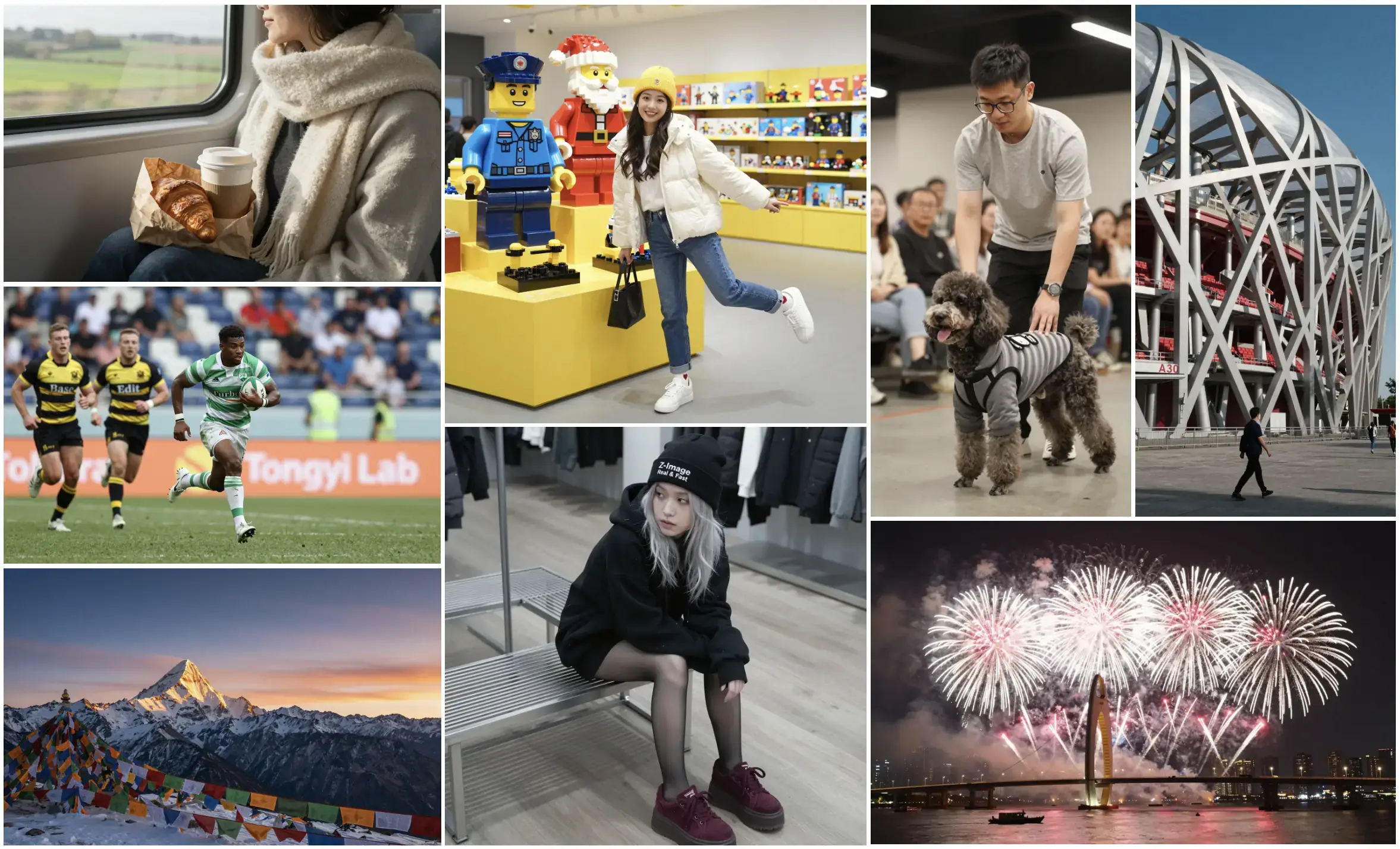
An explainer on Z-Image Turbo from Alibaba's Tongyi-MAI team: the 6B S3-DiT architecture, Decoupled-DMD distillation, how to run it with diffusers, use cases and limitations, based on the official model card.
AIGC is no longer just about model novelty. The real question is how generative AI fits into an end-to-end creative workflow. This category covers image generation, video generation, text creation, and multimodal production with a focus on practical output quality.
If you work in design, marketing, media, or creative experimentation, these articles aim to help you compare tools, understand production trade-offs, and decide where generative AI actually improves a real content pipeline.
It covers image generation, video generation, multimodal creation, prompt workflows, and practical use cases for generative content tools.
We look at output quality, consistency, speed, cost, licensing constraints, and how well the tool fits a repeatable creative process.
Mostly workflow. We care about whether a tool can be used reliably in a real production context, not just how impressive a demo looks.