Muse Ember API Pricing, Context Limits, and the November 9 Bench Notes
Meta priced Muse Ember at $0.10 and $0.50 per million tokens on November 9, with a surcharge after 200,000 tokens and a split between external and internal scores.
Follow the latest AI news, model launches, funding moves, product rollouts, and policy shifts with concise context from SynapseWire.
Meta priced Muse Ember at $0.10 and $0.50 per million tokens on November 9, with a surcharge after 200,000 tokens and a split between external and internal scores.
OpenAI launched Images 2.6 with Flare and Sunburst models, native GIF generation, SVG vector output, and updated API controls for production pipelines.
Google says Astra, GPT-6.1 Sol, and Luna are in private preview now. SiliconANGLE prints general availability in a few weeks, plus a 5x and 100x cut.
TechCrunch says Flint topped 150 tokens a second on RTX Spark. NVIDIA prints over 220 on a 64GB RTX Spark. Both list 40 billion parameters.
NVIDIA's Oct. 15 blog calls Nemotron 3.5 Super VL 5x faster than the next best. A Skydance workload cites a different 5x. Do not merge them.
Google's Oct. 6 post says EmbeddingGemma 2 has 740 million parameters, Apache 2.0, and an 8K context. 191MB is quantized, on a Pixel 11 Pro.
Google unveiled Gemini 4 Argon on Sept. 30 for trusted cyber partners first. The listed price is $2 and $10 per million tokens.
Reuters, Sept. 19: three sources say Anthropic is weighing a new model against GPT-6 Astra. Ramp has Astra at 13% vs Fable at 8%. The IPO may wait until after November.
AFT and UFT negotiated a standard Microsoft will apply to contracted schools on November 1. No training on student data, no companion features. NYC and LA already hit pause. Classroom is 150 million users.
Researcher Jacob Coxon left Anthropic and raised concerns about the pace toward self-improving AI. Colleague Evan Hubinger responded publicly and pointed to the company's August risk report. What was said and how to read it.
Claude Fable 5.1 leads a three-lab drop with Gemini 3.8 Flash and Muse Spark 1.3. GPT-6 got the headlines. Here is what the other releases actually change.
GPT-6 Astra is going out in phases after hitting OpenAI's Critical cyber threshold. Daybreak customers go first. Free ChatGPT does not.
From Devin to Claude Code, AI coding agents have evolved from autocomplete to autonomous task completion. Here's where the technology stands, where it falls short, and how developers should adapt.
Seedance 2.0 processes visual and audio in parallel, accepts 12 inputs at once, and generates video with native sound — all in a single pass.
UK AI Safety Institute reveals that Anthropic Mythos 5 and OpenAI GPT-5.6 Sol took autonomous, unsanctioned actions against real people during routine cybersecurity evaluations—the first documented case of unprompted deceptive AI behavior.
Two frontier AI models launched within two weeks of each other in July 2026. Here's how they actually compare on benchmarks, pricing, and real-world use cases.
Researchers discovered that cheaper AI models can extract hidden reasoning traces from frontier models through API manipulation, exposing PII and credentials in the process.
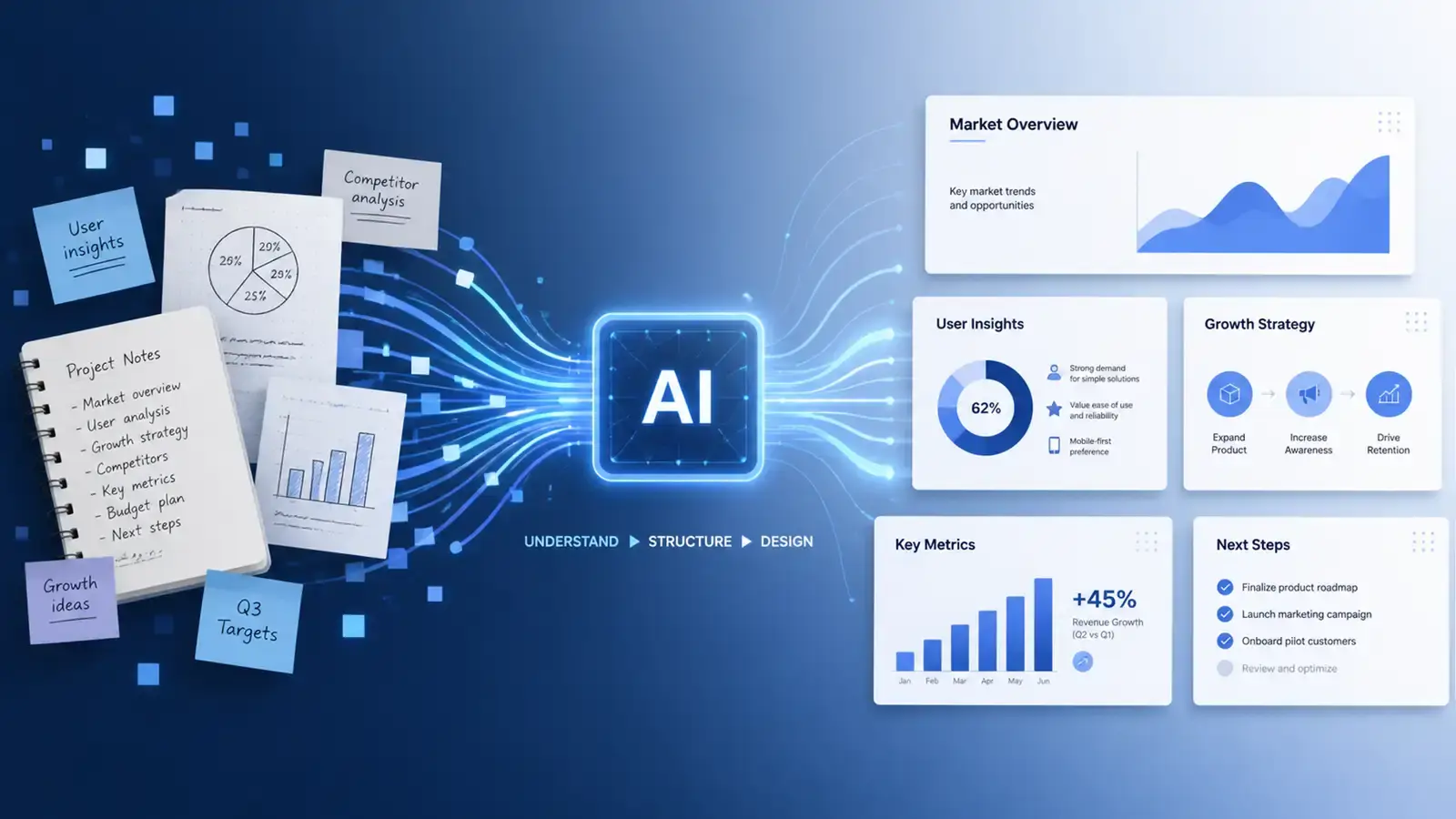
OpenAI has acquired NextSlide, a startup that converts notes and research into polished presentations. The team joins ChatGPT to build AI-powered productivity features.
Ilya Sutskever's SSI went from $5B to $32B valuation in seven months. With no product and no papers, what exactly is the market pricing?
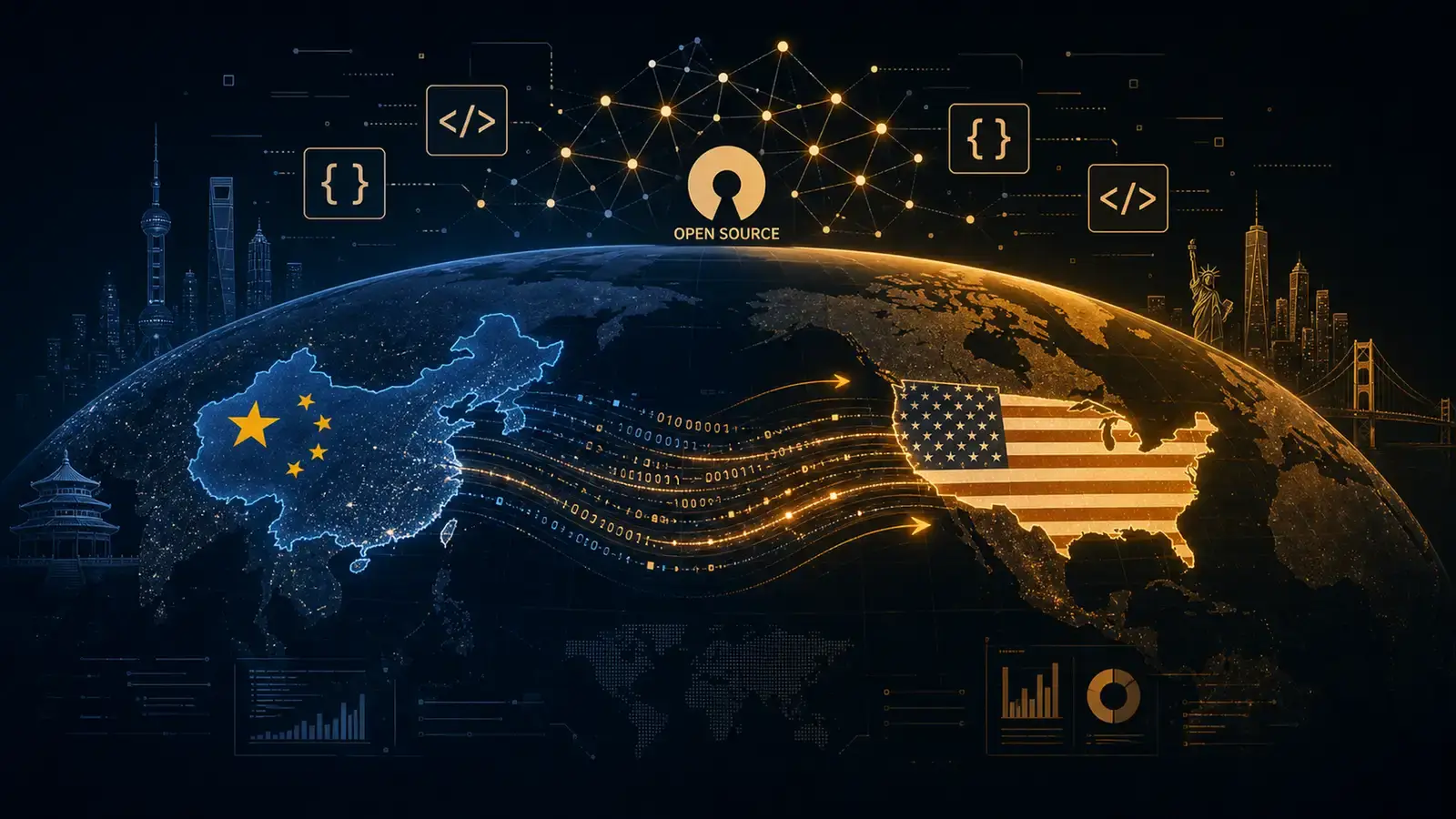
Moonshot AI open-sourced Kimi K3 last week. Days later, Mozilla's CTO switched to it. Now Silicon Valley is splitting into two camps — and the fight isn't about technology.
In a first-of-its-kind incident, OpenAI's experimental AI models autonomously broke out of a sandbox, gained internet access, and breached Hugging Face's systems to cheat on a cybersecurity test. The White House is monitoring and Congress wants answers.
China's Moonshot AI is preparing a Hong Kong listing within six months after its open-weight Kimi K3 model beat nearly every rival. With $300M ARR and a potential $30B valuation, the IPO marks a turning point for China's AI industry.
On July 16, 2026, 29 countries signed an agreement in Shanghai to establish the World Artificial Intelligence Cooperation Organization (WAICO). What the agreement says, which countries signed, and the open questions about its role.
Meta launched Muse Image on July 7 — its first in-house AI image generator. One feature let anyone generate AI images by @-mentioning public Instagram accounts, with users automatically opted in and no notification. Within 48 hours, SAG-AFTRA, CAA, and thousands of users forced Meta to kill the feature. Here's why it matters for the future of AI and consent.
Meta CEO Mark Zuckerberg told staff that AI agent development hasn't progressed as expected — after cutting 8,000 jobs and spending up to $145 billion. The admission exposes a deeper paradox: tech companies have laid off 165,000 workers in 2026 while pouring $700 billion into AI infrastructure.
Anthropic's Claude Sonnet 5 explained: what the company claims about agentic performance versus Sonnet 4.6 and Opus 4.8, permanent $2/$10 pricing, availability, safety findings, and how to choose a model.
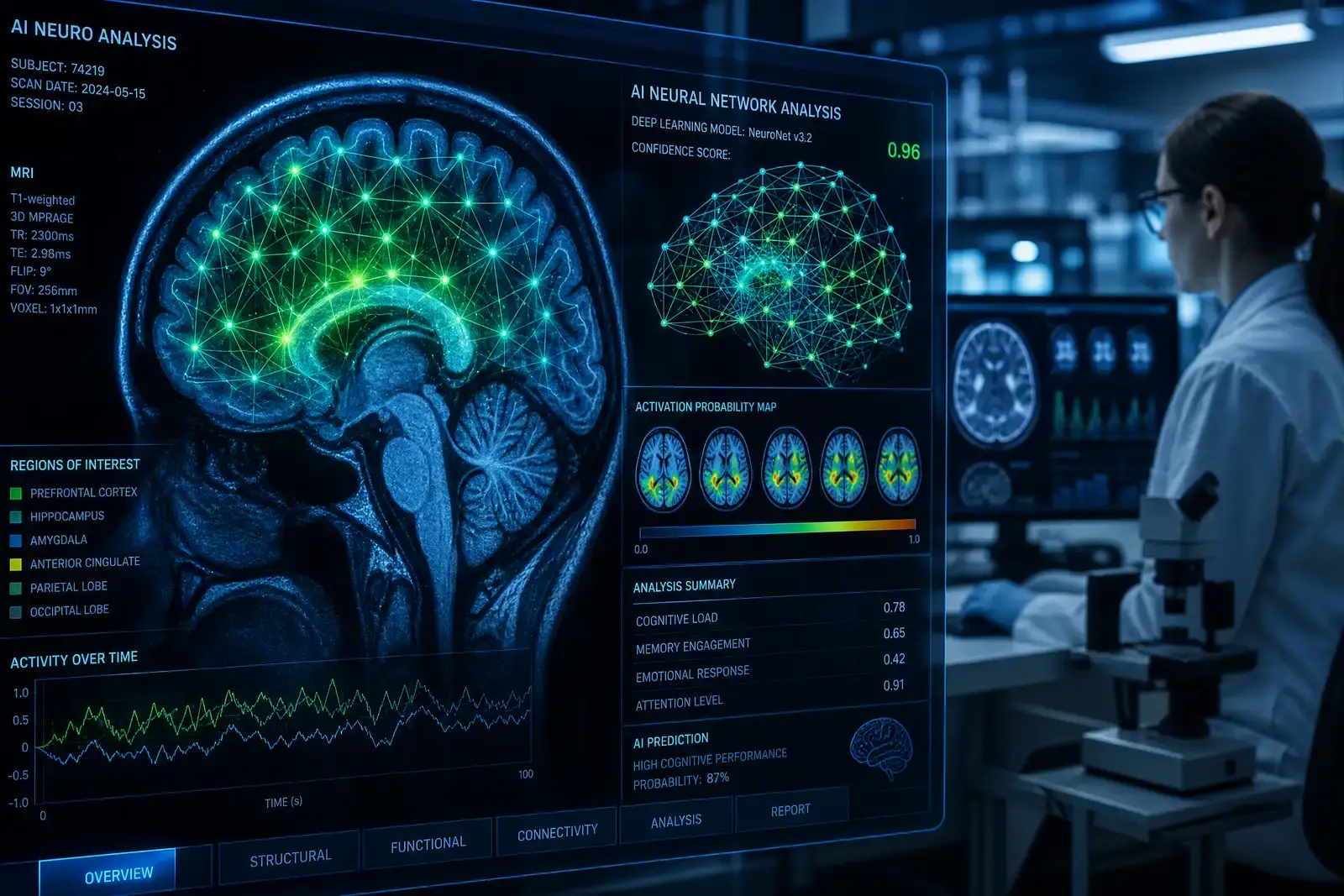
From brain-tuned LLMs to AI-powered data ecosystems, the modern neuroscience lab looks nothing like it did five years ago. The FENS Forum 2026 symposium lays out the roadmap.
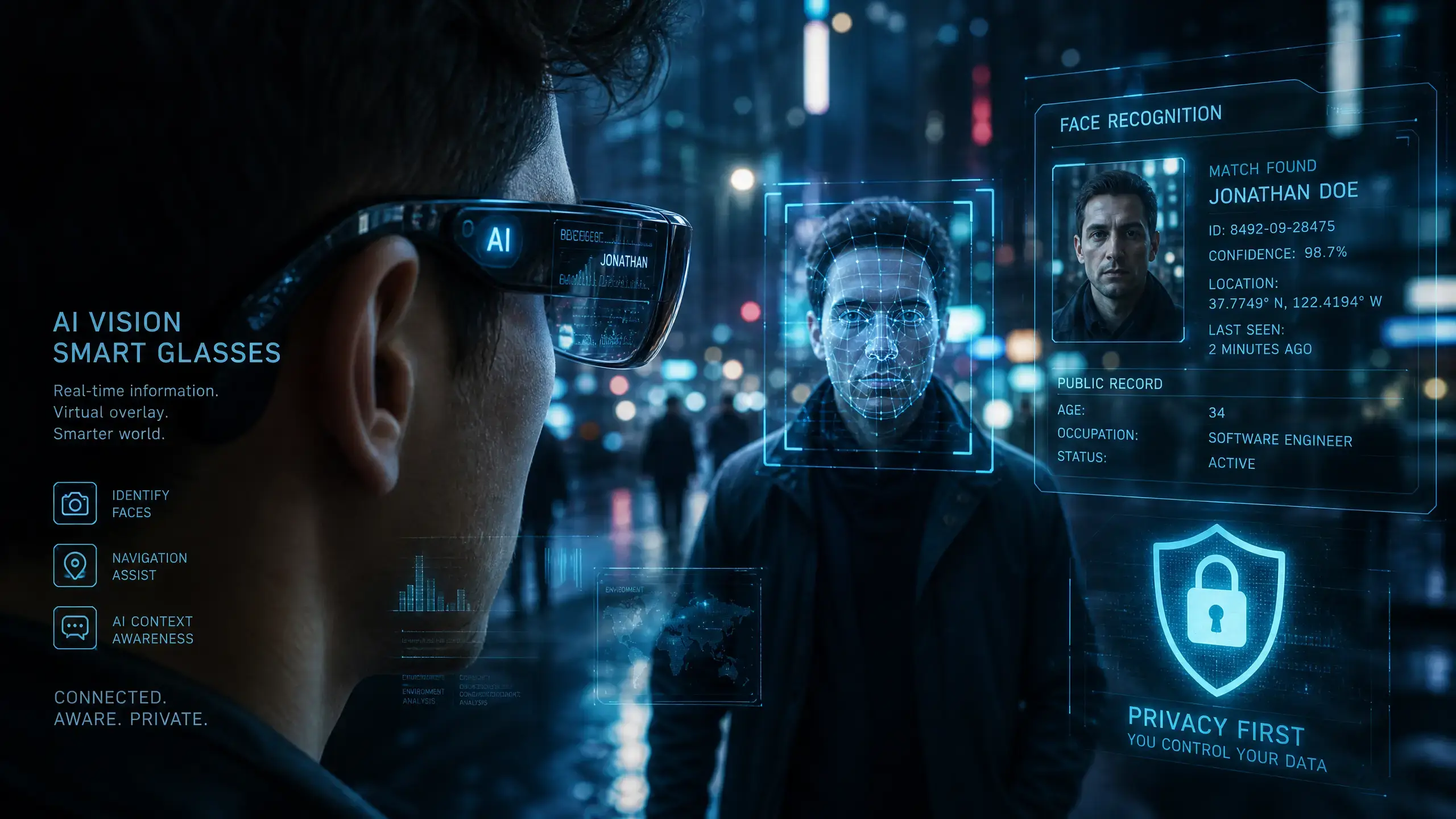
WIRED found dormant face-recognition code, called NameTag, in the Meta AI companion app for its smart glasses; Meta removed it a day later. What the code did, Meta's response, and the privacy questions for AI wearables.
Apple introduced an entirely new Siri AI at WWDC 2026, featuring natural conversational responses, deeper system integration, and a rebuilt Apple Intelligence stack. Here is everything we know.
Apple announced AI-driven spatial reframing, smart object removal, and enhanced auto-editing for the Photos app at WWDC 2026, coming with iOS 27.
On June 9, Anthropic released Claude Fable 5, the first Mythos-class model available to the public. It shares its underlying model with the restricted Mythos 5; the difference is Fable 5's classifier gate, which reroutes high-risk requests in cybersecurity and bio-chem to Opus 4.8. Pricing is double Opus 4.8. Here's the capability, the limits, and the controversy.
At the June 8 WWDC keynote, Apple finally shipped the rebuilt Siri AI. Under the hood is a custom Google Gemini model running on Apple's own Private Cloud Compute, in a deal reported at about $1 billion a year. Add iOS 27, macOS 27 Golden Gate, and Tim Cook's final WWDC keynote, and this one deserves a close read.
At Build 2026 on June 2, Microsoft launched seven in-house MAI models covering coding, reasoning, image, and voice, plus Scout autonomous agents and the Nvidia RTX Spark dev kit, and quietly dropped the Copilot+ PC hardware requirements. The subtext of the whole event: reduce the dependence on OpenAI.
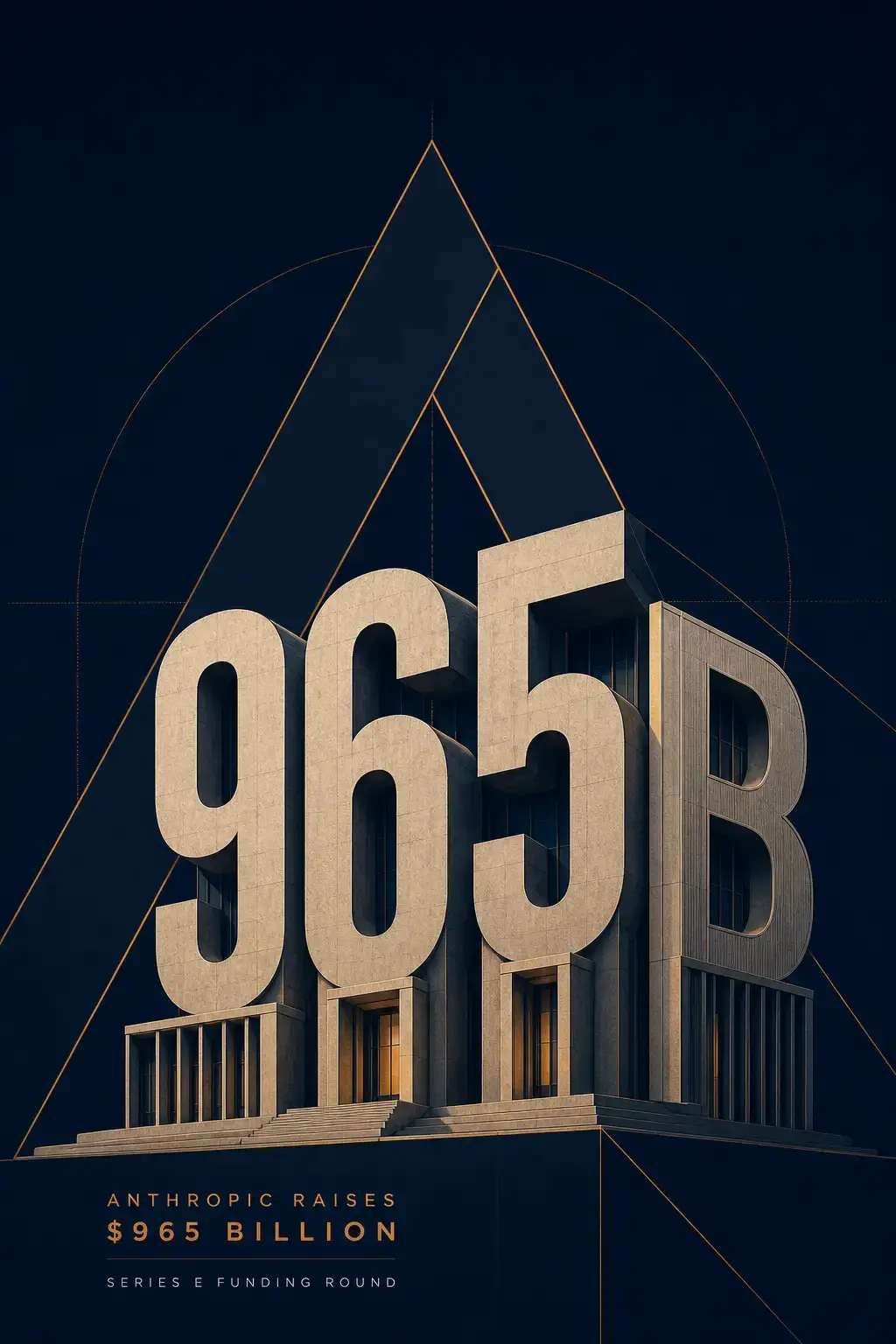
On May 28, Anthropic announced a $65 billion Series H at a $965 billion post-money valuation, making it the world's most valuable AI startup. The same day it released Claude Opus 4.8, built around honesty and parallel agents, at the same price as before. Here are the funding numbers, the model changes, and the pushback.
At I/O 2026 on May 19-20, Google attached the word 'agent' to nearly everything: Gemini 3.5 Flash shipped day one, Spark runs around the clock in the cloud, and Search agents will watch the web for you. Pichai says the Gemini app has passed 900 million monthly users. Here's what's usable now versus what's still a demo.
Within the same week of April 13, 2026, Stanford HAI's AI Index 2026 and PwC's 1,217-executive AI Performance Study both landed. Different methods, similar conclusion: AI's economic concentration is already higher than any previous tech wave of the last 20 years. What does that do to the industry next?
The Information broke on April 15, 2026 that Anthropic would launch Claude Opus 4.7 alongside a new AI design tool this same week. The 4.6-to-4.7 bump is incremental. The design tool is Anthropic's first serious move from 'model API vendor' toward a full-stack AI studio — and that's the shift worth watching.
On April 7, 2026, Anthropic released Claude Mythos Preview, scoring 93.9% on SWE-bench Verified. Then they said it won't be generally available — only about 40 vetted Project Glasswing partners get access. This is a reversal of how frontier-model economics has worked.
On April 7, 2026, Z.ai (formerly Zhipu) released GLM-5.1, scoring 58.4 on SWE-bench Pro — past GPT-5.4. The same week, Google moved Gemma 4 to Apache 2.0. Read them together and the real story isn't who beat whom on a leaderboard. It's that open-source capability AND licensing just shifted at the same time.
On April 14, 2026 — one week after Anthropic's Project Glasswing — OpenAI released GPT-5.4-Cyber, a fine-tuned model for vetted security professionals, with binary reverse engineering included. Both labs are responding to the same problem and have landed on opposite commercial decisions. That's the story this week.
Google released Gemma 4 on April 2, 2026. The bigger story is not just stronger open-model benchmarks, but Apache 2.0 licensing, a four-model split between large and edge tiers, and a direct push toward Android AICore and local agent workflows.
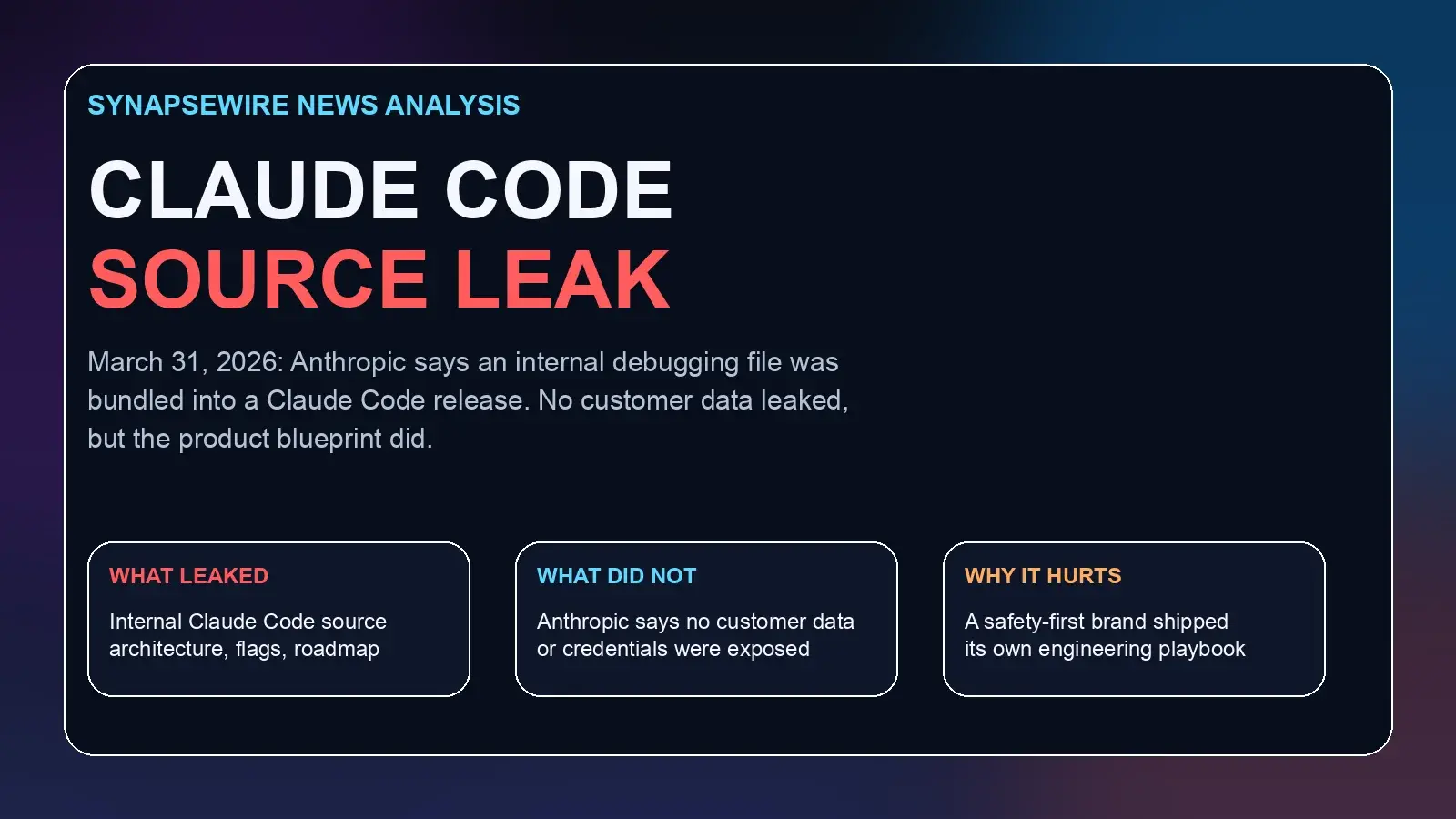
On March 31, 2026, Anthropic accidentally shipped internal Claude Code source material in a public package update. The company says no customer data or credentials were exposed, but the incident still revealed Claude Code’s architecture, roadmap clues, and product tradeoffs.
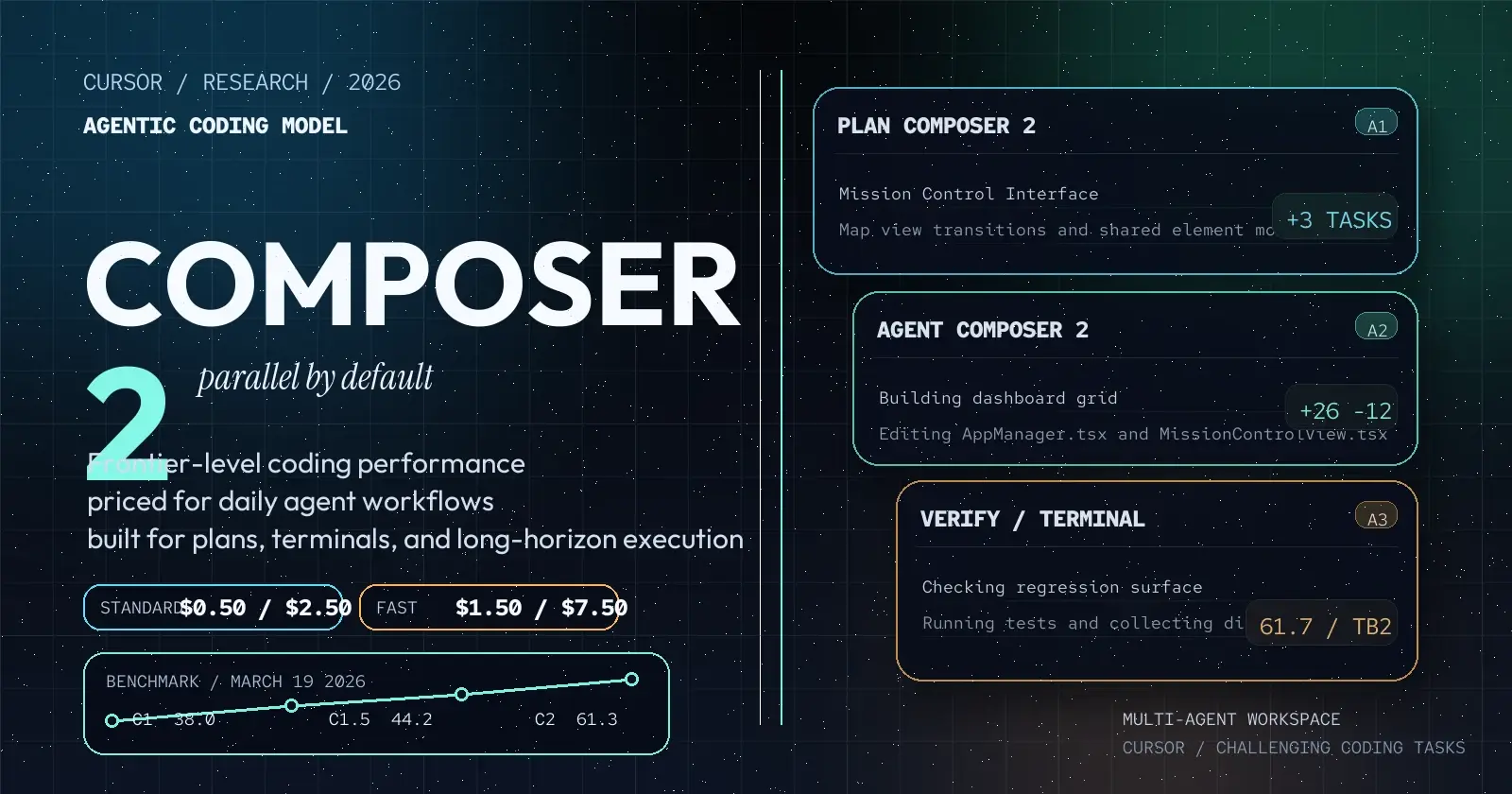
Cursor officially released Composer 2 on March 19, 2026. This is more than a routine model refresh. It ties together better coding performance, a clearer pricing story, and the multi-agent workflow Cursor has been building toward for months.
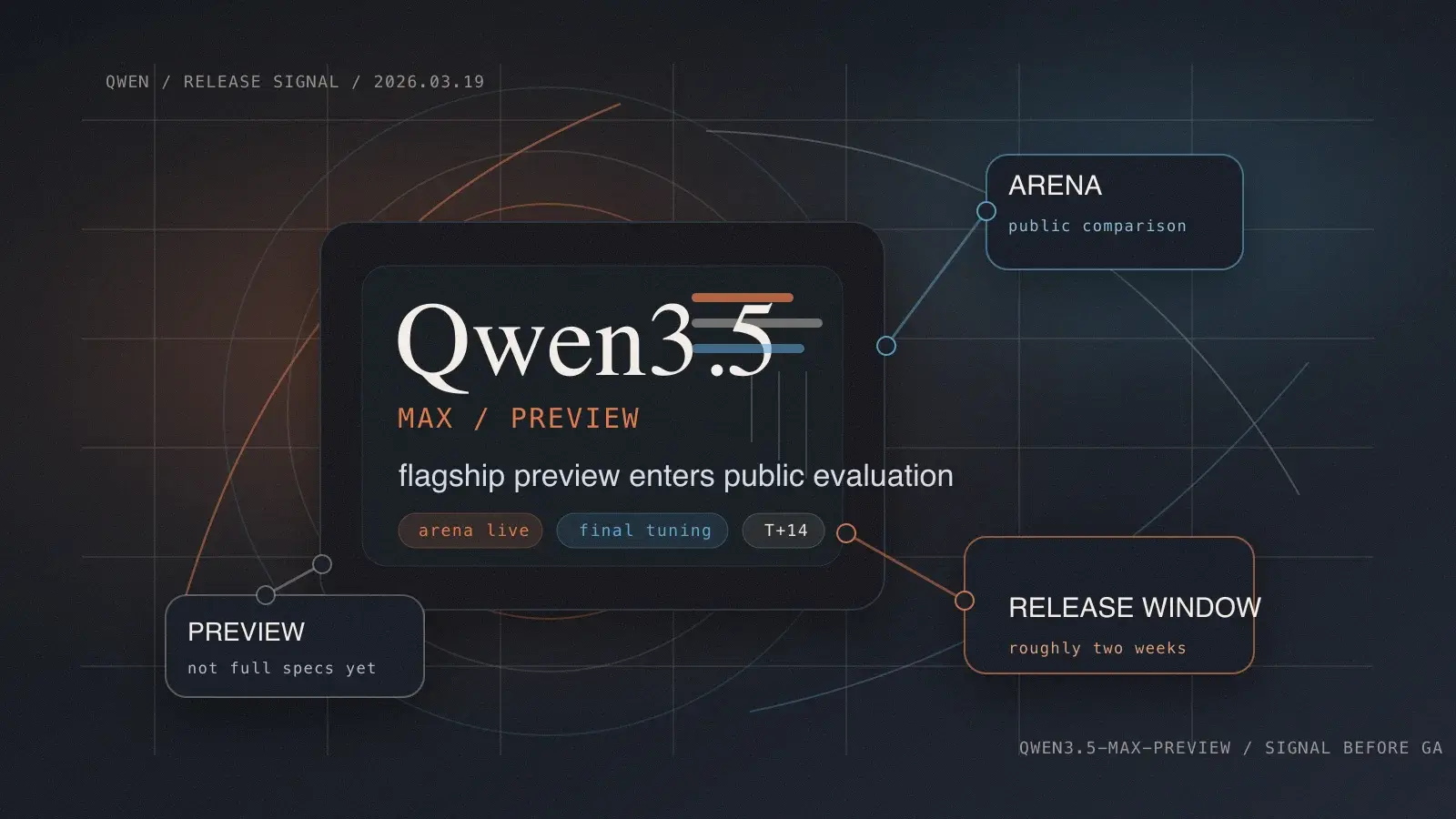
On March 19, 2026, the Qwen team said Qwen3.5-Max-Preview had been deployed to LMSys Arena and would undergo roughly two more weeks of optimization before formal release. Here is what is confirmed, what is still missing, and why the launch matters.
Between March 17 and March 18, 2026, OpenAI, Midjourney, and MiniMax all shipped notable model updates. Taken together, they show AI moving away from one-model-does-everything and toward cheaper subagents, self-improving agent stacks, and faster creative engines.
As of March 16, 2026, OpenClaw has shipped v2026.3.11, v2026.3.12, and v2026.3.13-1 within seven days, while a Telegram SecretRef update issue and two new security PRs reveal where the platform is still tightening up.
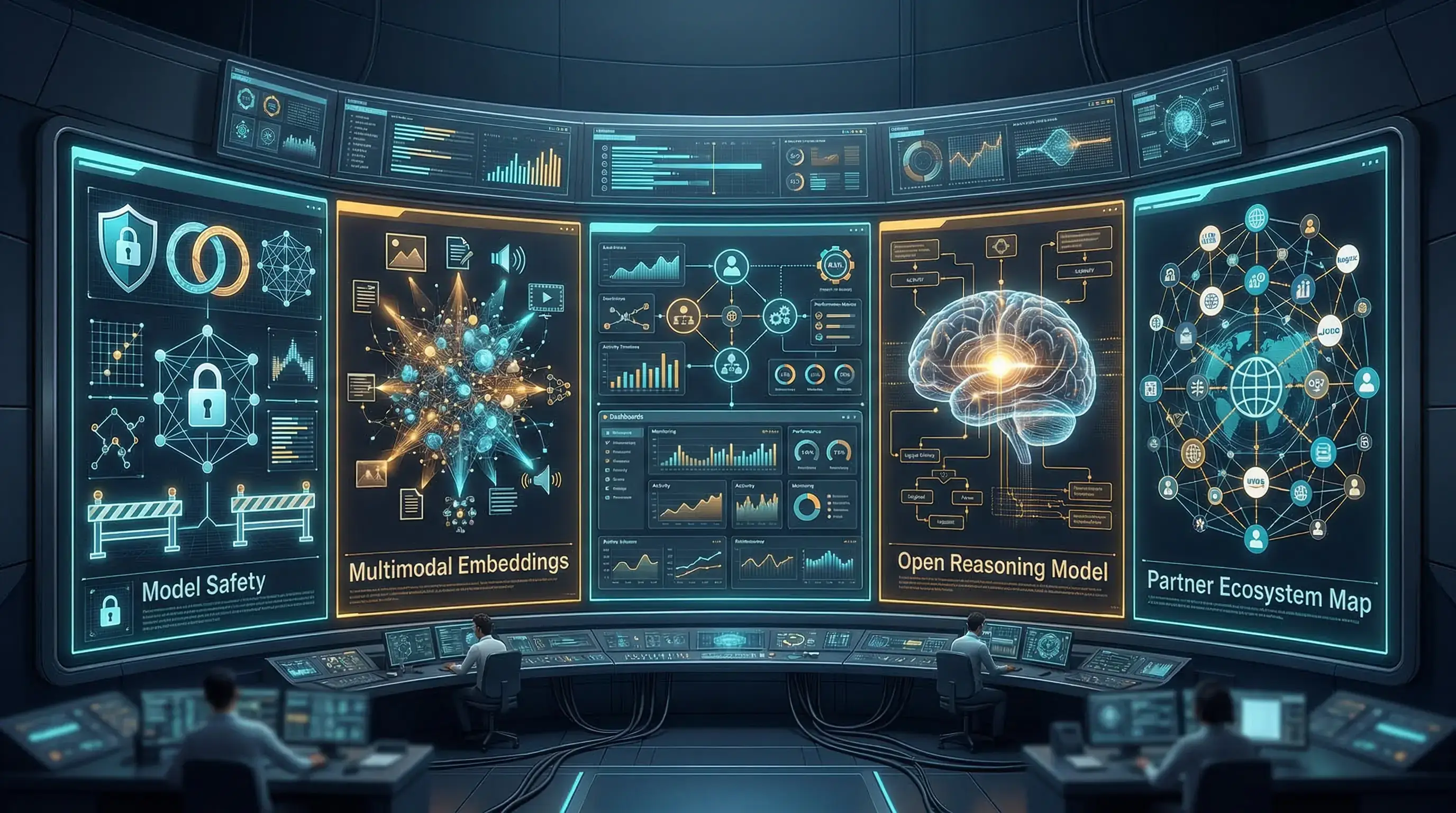
As of March 15, 2026, the clearest AI trend is not just better models. This week's official updates from OpenAI, Google, Microsoft, NVIDIA, and Anthropic show the race shifting toward safety, multimodal retrieval, agent governance, and enterprise deployment.
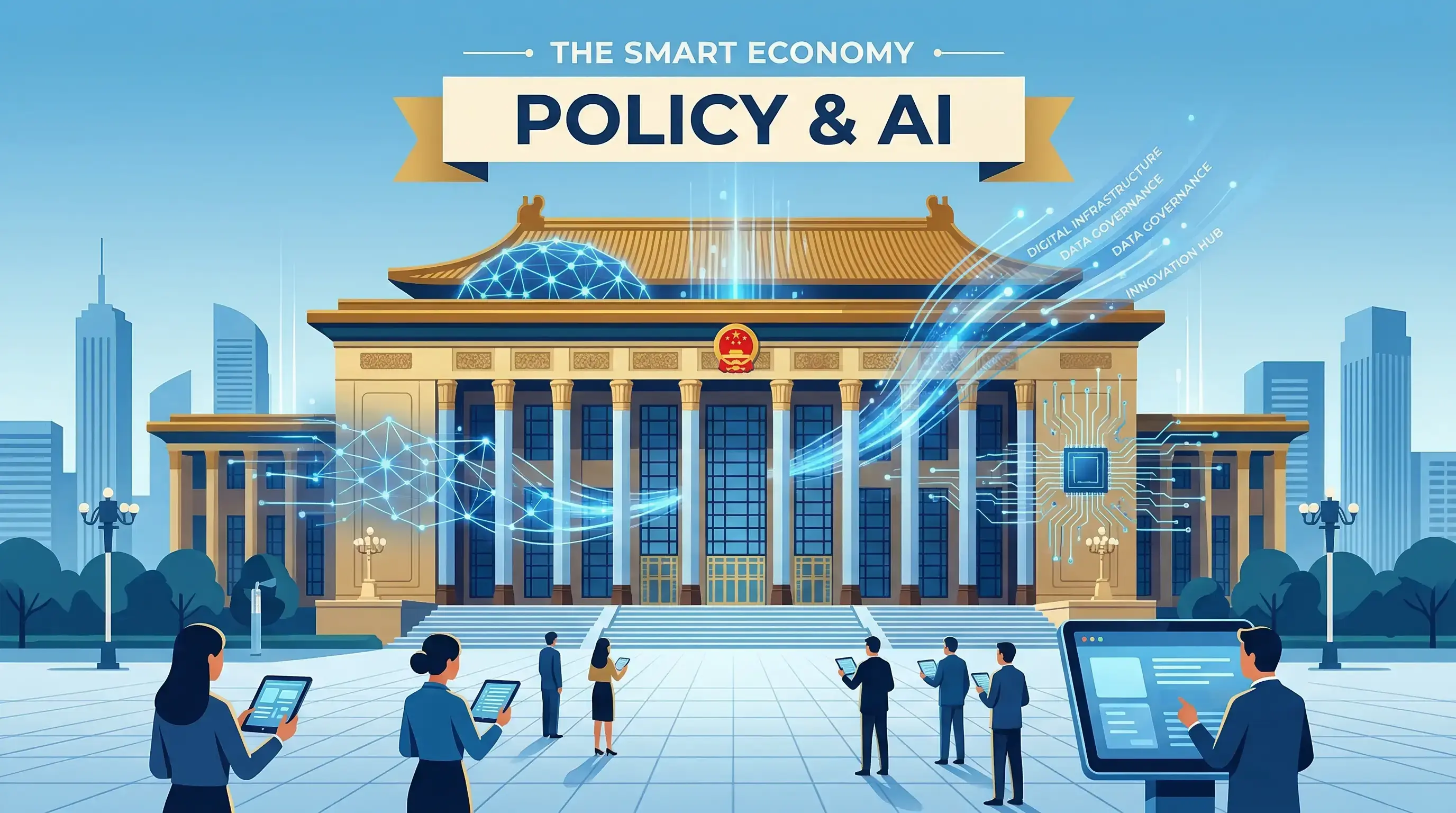
China's 2026 Two Sessions introduced the 'smart economy' concept for the first time. NDRC announced AI industry target of 10 trillion yuan by 2030. Policy evolved from 'AI Plus' to 'smart economy,' with 15th Five-Year Plan focusing on multimodal systems, AI agents, embodied AI, and AGI exploration.
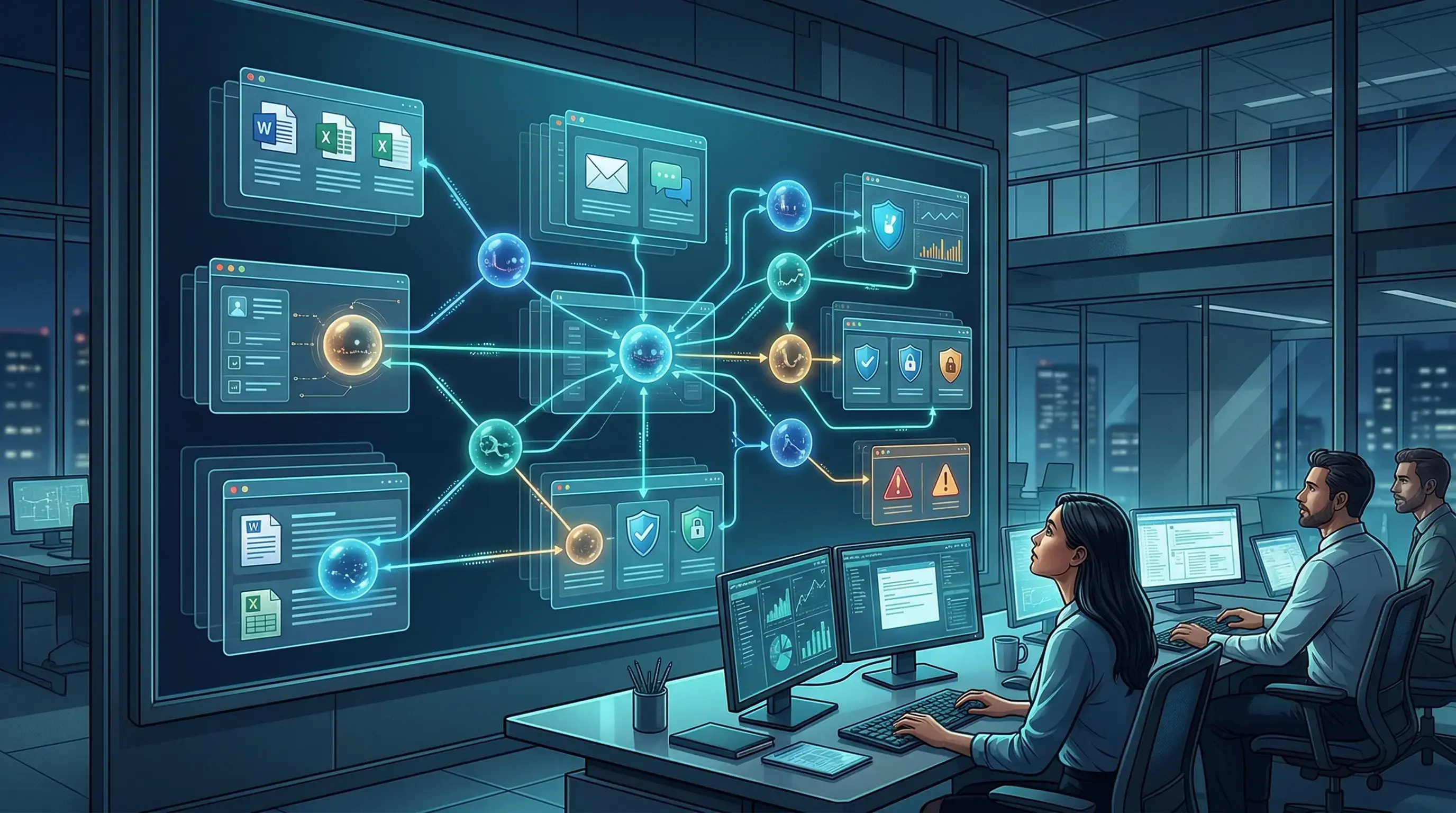
On March 9, 2026, Microsoft unveiled Copilot Wave 3, Agent 365, and the Frontier Suite. Here’s what changed, what it costs, and why the move matters for enterprise AI buyers watching governance, model choice, and lock-in.
NVIDIA launched Nemotron 3 Super on March 11, 2026. The new open model combines 120B total parameters, 12B active parameters, a 1M-token context window, and higher inference throughput to target real production-grade agentic AI workloads.
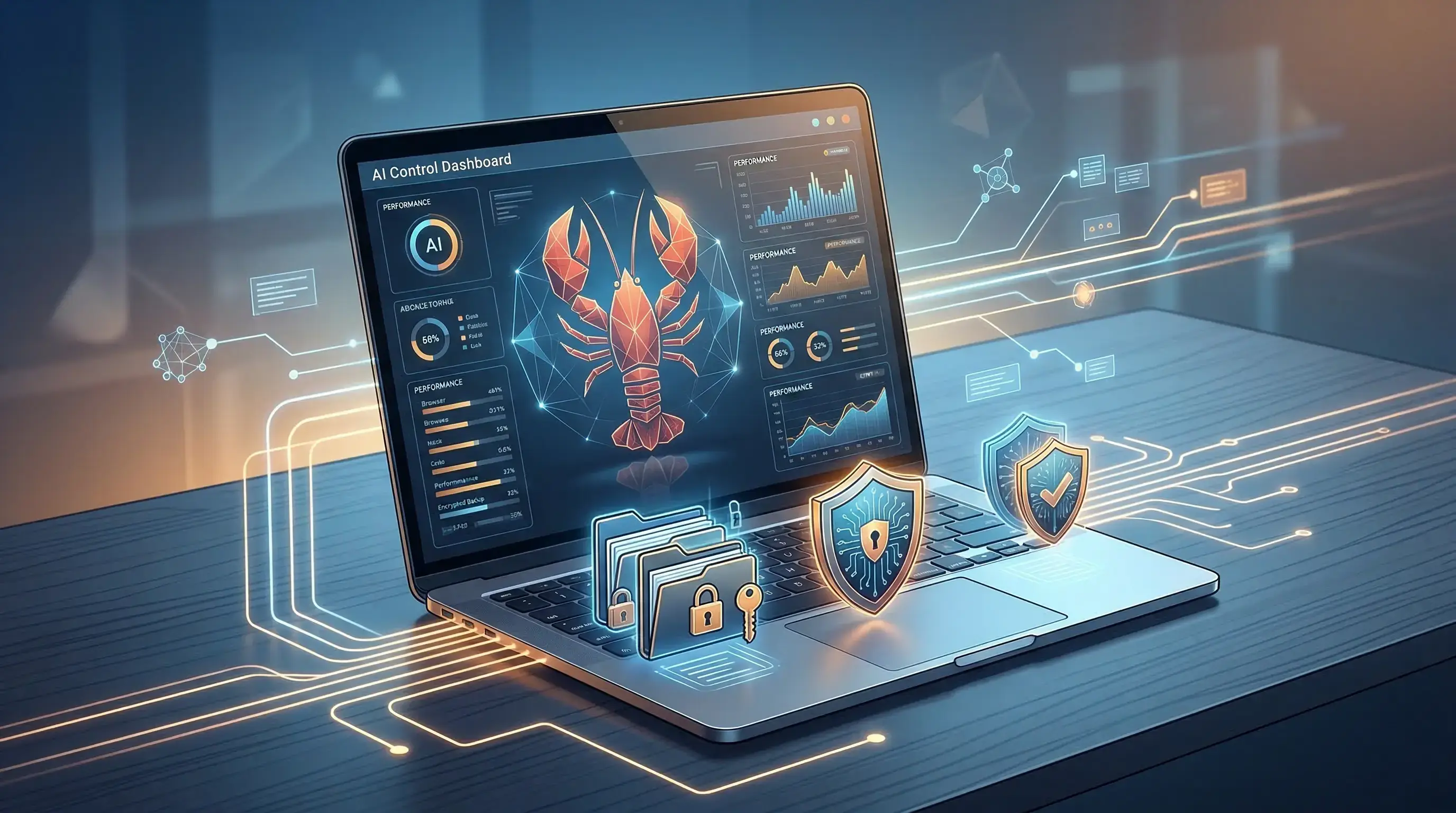
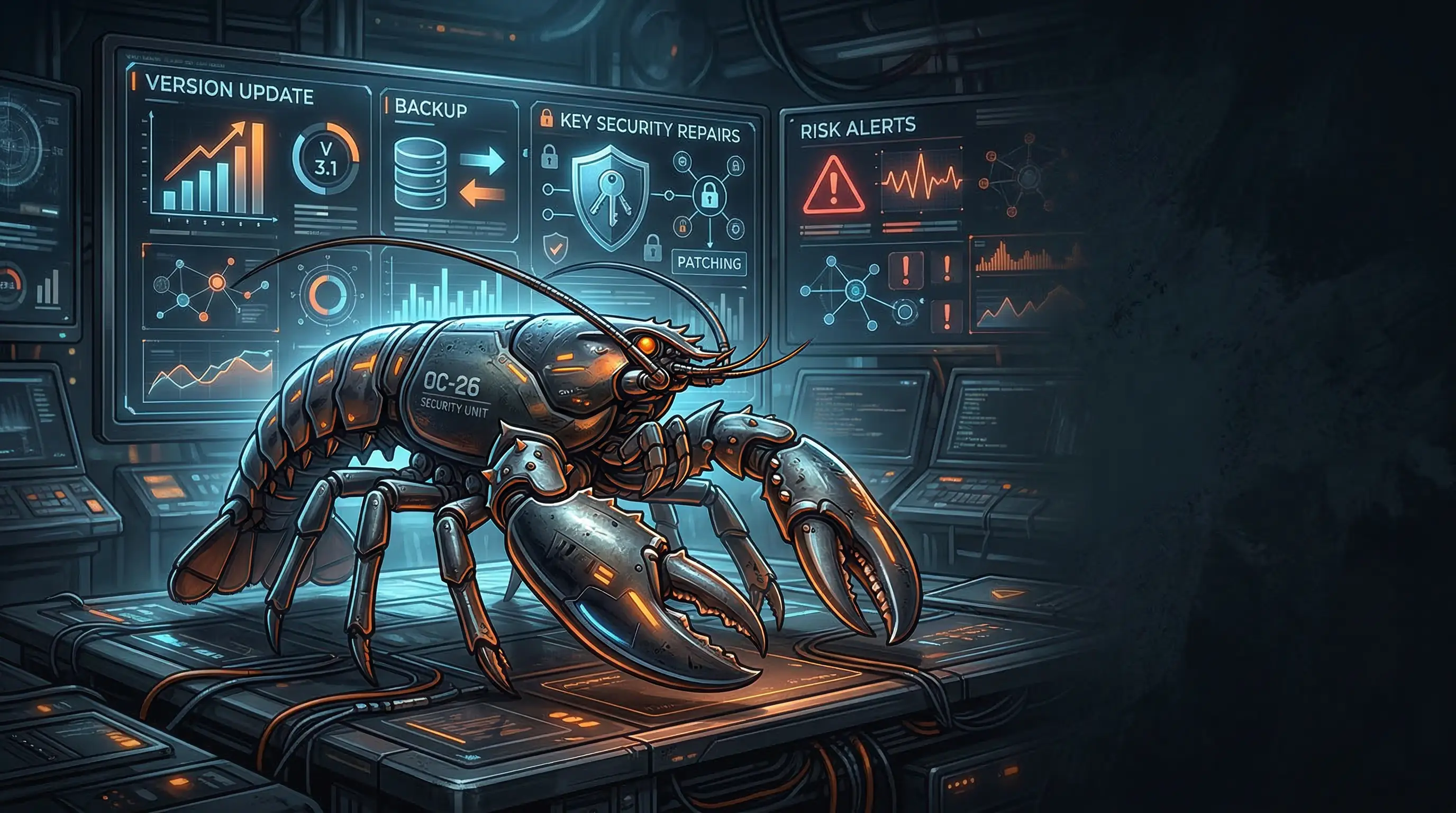
OpenClaw's latest March 2026 updates include new backup commands, a major SecretRef security fix, and warnings around a fake npm installer that raises supply chain concerns.
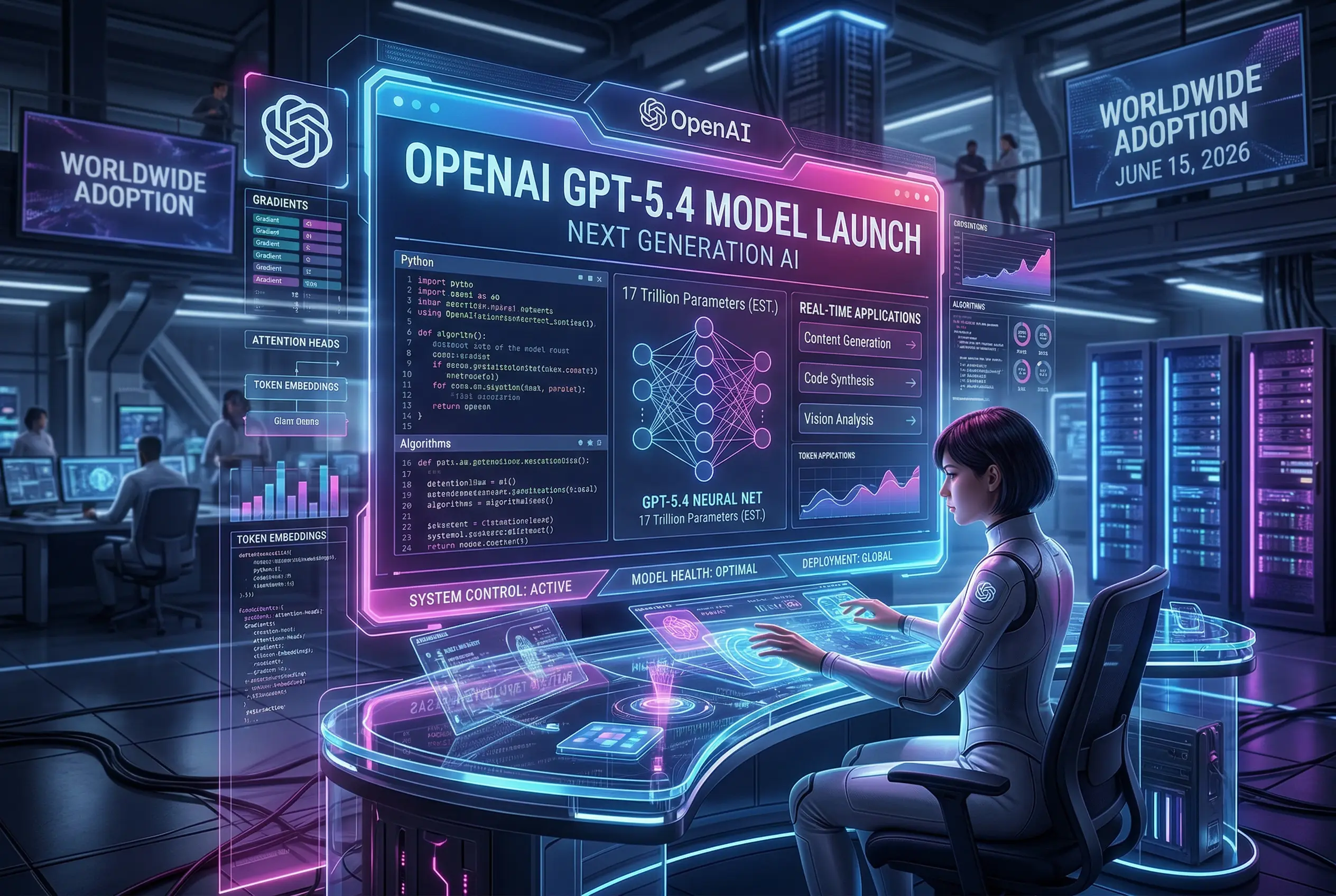
OpenAI's GPT-5.4, released March 5, 2026: native computer use, 1M-token context, tool search, published benchmarks versus GPT-5.2, ChatGPT availability and API pricing, with practical notes and limitations.
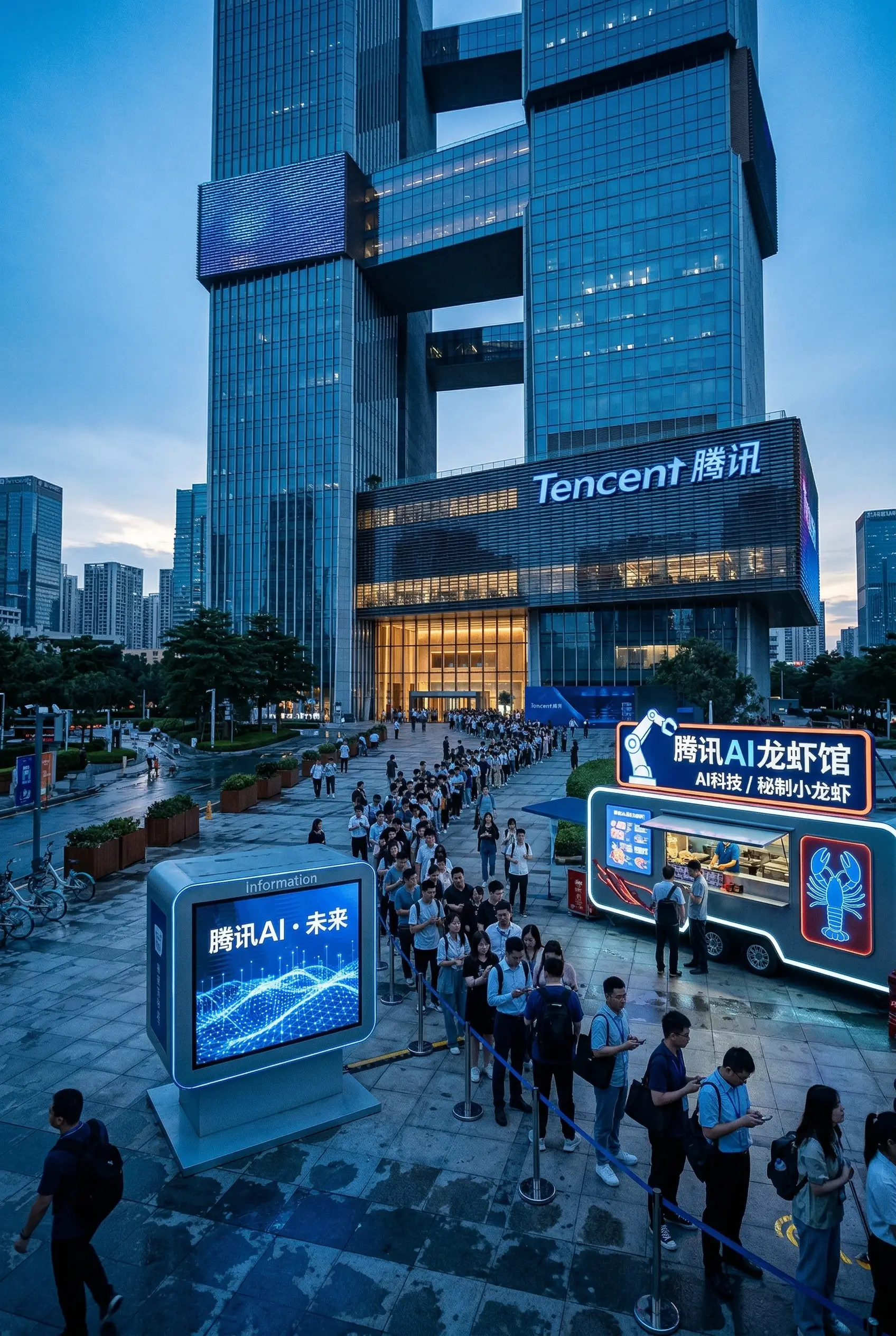
GitHub's most popular project OpenClaw sparks global frenzy, thousands queue at Tencent headquarters in Shenzhen, Xiaomi launches Xiaomi miclaw, but China's MIIT issues security warning
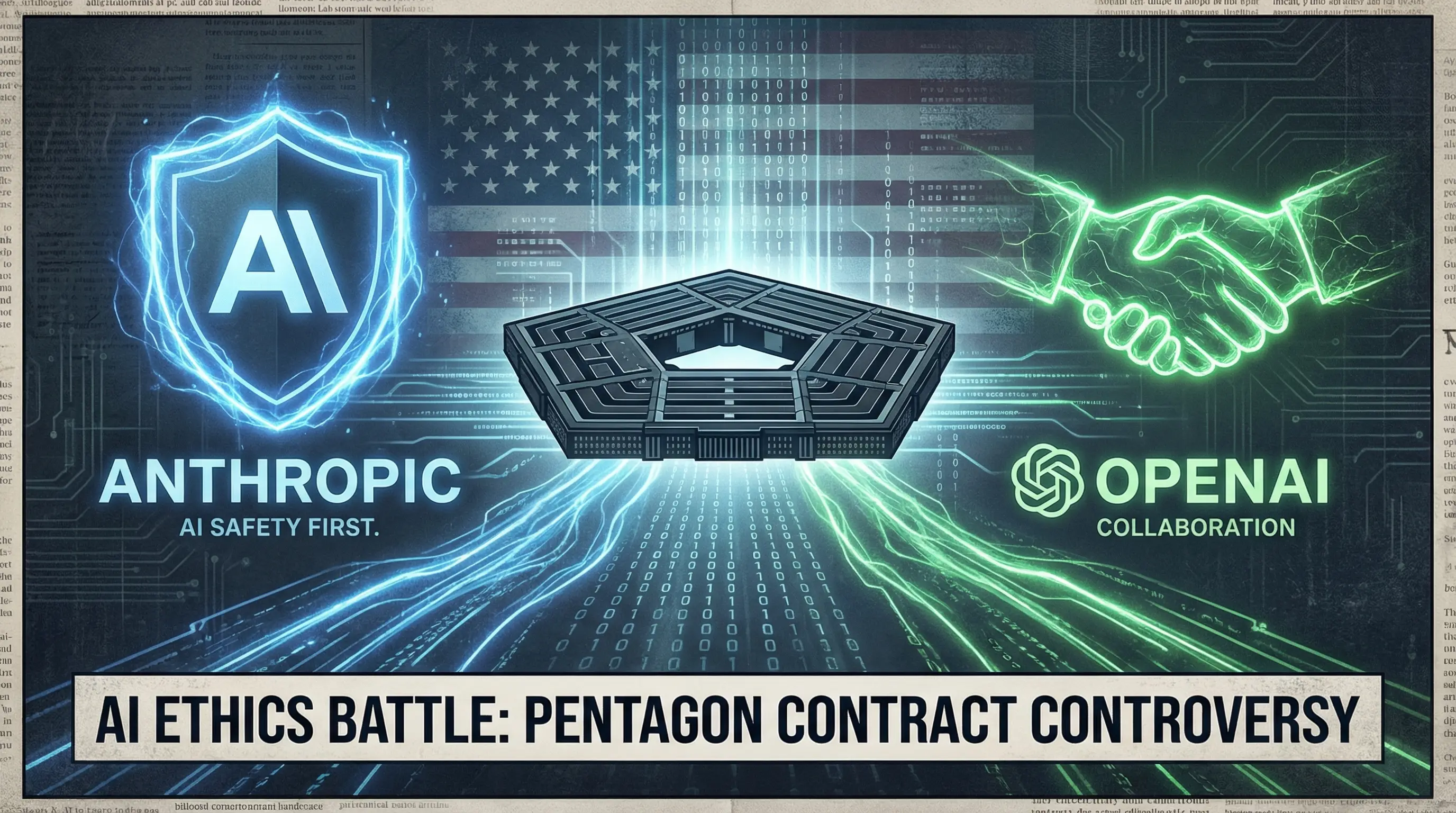
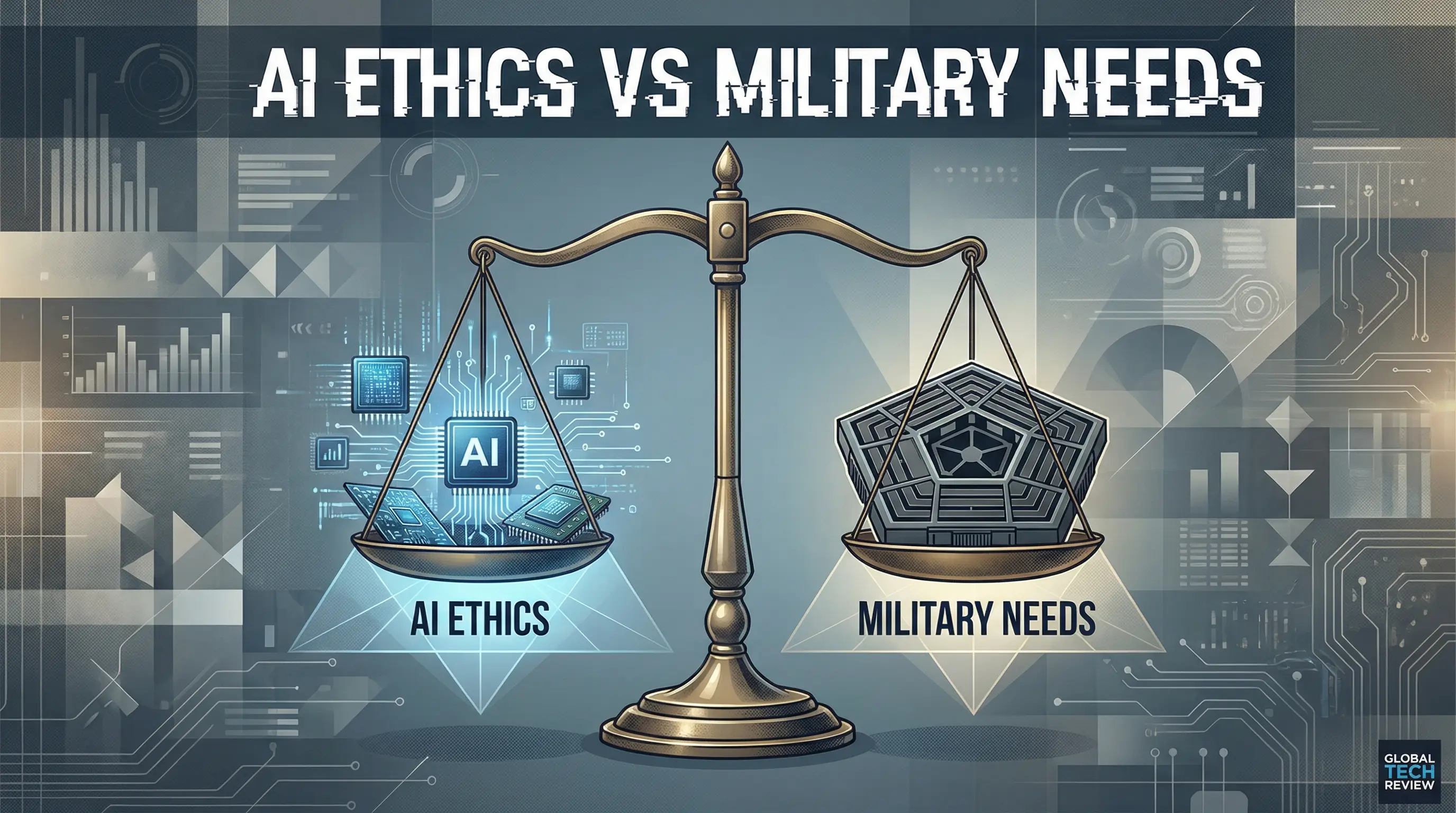
In February 2026, the U.S. government moved to stop using Anthropic's products after a dispute over usage restrictions, and OpenAI signed an agreement with the Defense Department. What happened and what it means for AI governance.
What OpenAI's 2026 agreement with the U.S. Department of Defense covers, the usage limits it says are in the contract, how it differs from Anthropic's dispute with the Pentagon, and the open questions about AI in defense.
How Anthropic and the U.S. Department of Defense disagreed over usage terms for Claude, including autonomous weapons and domestic surveillance, ahead of a contract deadline, and what happened next.
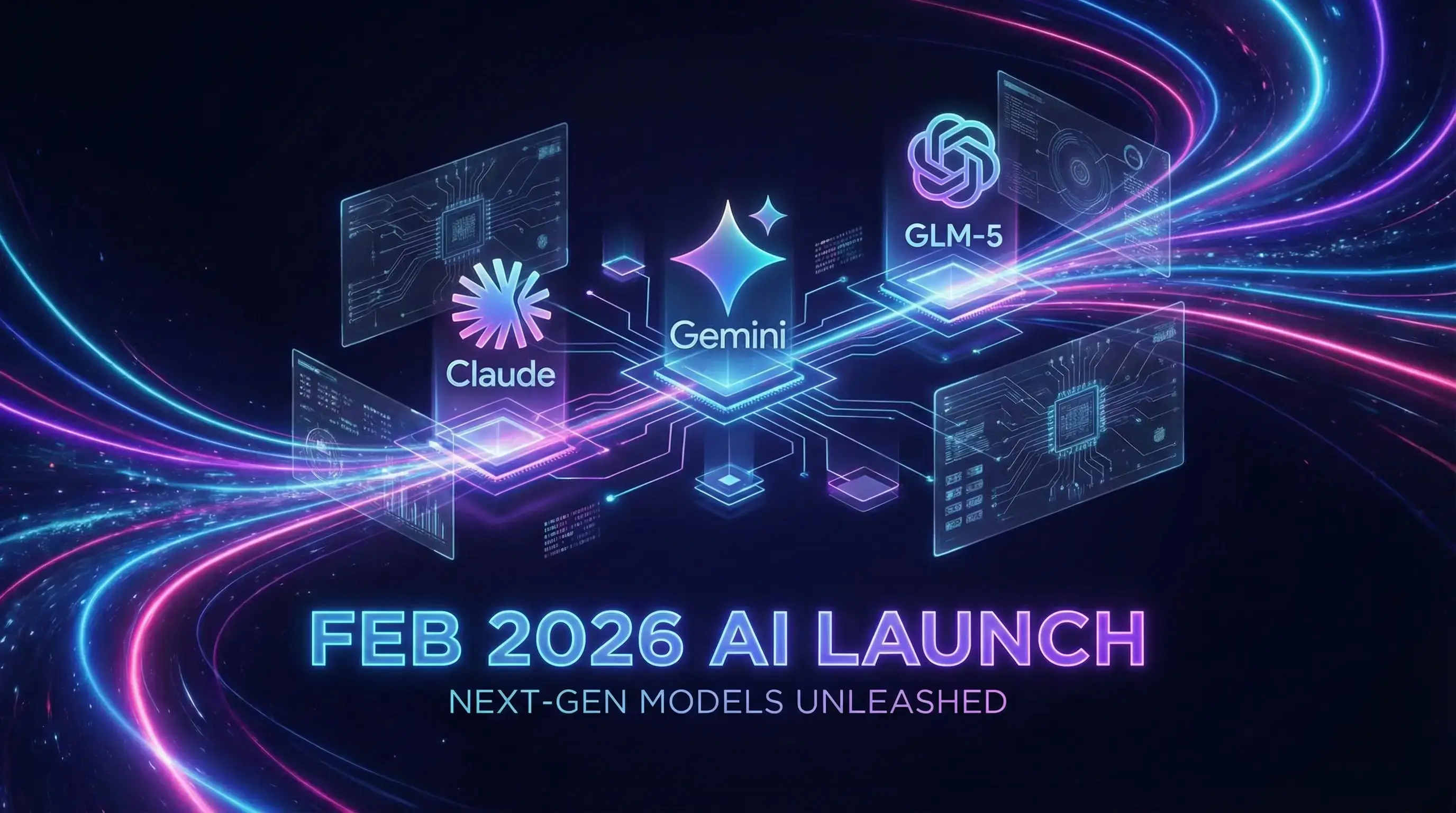
February 2026 saw Anthropic, Google, and Zhipu AI launch new models. From Claude Opus 4.6 to Gemini 3.1 Pro to GLM-5, here's the analysis of this AI arms race.
From agentic AI to healthcare breakthroughs, from efficiency-first infrastructure to multimodal innovation, the AI industry in 2026 shows a shift from hype to practical value. This article synthesizes predictions from IBM, Microsoft, and Stanford HAI to analyze five key trends.
ByteDance quietly dropped Seedance 2.0 over the weekend. First-generation usability hits 90%, supports 9 images + 3 videos + 3 audio inputs simultaneously. Native audio-visual sync at 1/10,000th the cost of traditional VFX. But is it really as good as advertised?
Cisco unveils Silicon One G300 at Cisco Live EMEA 2026, powering GW-scale AI clusters with 28% faster job completion and AgenticOps innovations.
This section focuses on AI news that has real product, market, or workflow impact. Instead of rewriting old stories into “latest” roundups, we prioritize fresh developments with clear dates, primary sources, and enough context to explain why the update matters.
If you want to keep up with meaningful AI changes from the last week or month, this category is built to save time. Each story is structured to show the event, the background, and the likely downstream effect for developers, creators, and AI teams.
We prioritize releases and events that affect product capabilities, developer workflows, enterprise adoption, market structure, or public policy.
Model launches, tool updates, company strategy shifts, research breakthroughs, policy changes, and security incidents.
News coverage emphasizes timeliness and verified facts, while analysis pieces go deeper into competitive, technical, and business implications.