Claude Message Threads API: Server-Side State and Fallbacks
Build low-latency agent loops with the Claude message threads API, manage 5-minute RAM session timeouts, and implement client fallbacks without losing state.
Learn AI through practical tutorials, setup guides, prompt workflows, and agent-building walkthroughs designed for real implementation.
Build low-latency agent loops with the Claude message threads API, manage 5-minute RAM session timeouts, and implement client fallbacks without losing state.
API Gateway streaming is in public preview. The blog caps a stream at one hour. SSE still defaults to a 15-second deadline unless you set one.
The realtime URL in the speech-to-speech doc asks for grok-voice-latest. The model card's name is grok-voice-3.0, and the two sample-rate examples do not match.
CLI 1.0.94-0 can discover a local Ollama model from /model. Offline mode is still COPILOT_OFFLINE=true, and a remote provider still receives the prompt.
Google's Oct. 7 Developer Knowledge API returns Markdown docs through gcloud, a skill, and client libraries. BatchGetDocuments caps at 20. No price is printed.
DevDay's GPT-6.1 Sol is gpt-6.1-sol at $2, $0.10, and $10 per million tokens. Decisions API is a limited preview. Computer use is a plan gate.
NVIDIA's OpenShell README installs a CLI and an empty Ubuntu sandbox. The first agent is a separate doc. BlueField Sentry is not step two.
Google's Sept. 23 Antigravity SDK post adds local Gemma 4 26B via LiteRT. The hybrid demo kept 97.2 percent of tokens on the machine and spent 95 in the cloud.
On-demand compaction landed around Sept 14. How to call compact-2026-09-04, swap the signed block, and why this is not a memory store.
Ollama speaks the Anthropic Messages API. Point Claude Code at port 11434 and tokens stop billing. You still need VRAM, tools, and 64k context.
Herdr is a Rust multiplexer that keeps Claude Code, Codex, and friends alive when you close the lid. Install it, split panes, detach. It is not tmux with a coat of AI.
LM Studio Bionic adds MCP apps, project files, and a local-or-cloud model switch on top of the old chat window. Here is how to pick a model for your RAM and stop sending the repo to a subscription API.
Step-by-step guide to creating a fully offline voice assistant using OpenAI Whisper for speech recognition, Ollama for LLM inference, and Piper for text-to-speech.
Learn to build AI agents with n8n from scratch. Connect LLMs, add memory, integrate tools, and deploy production-ready agent workflows.
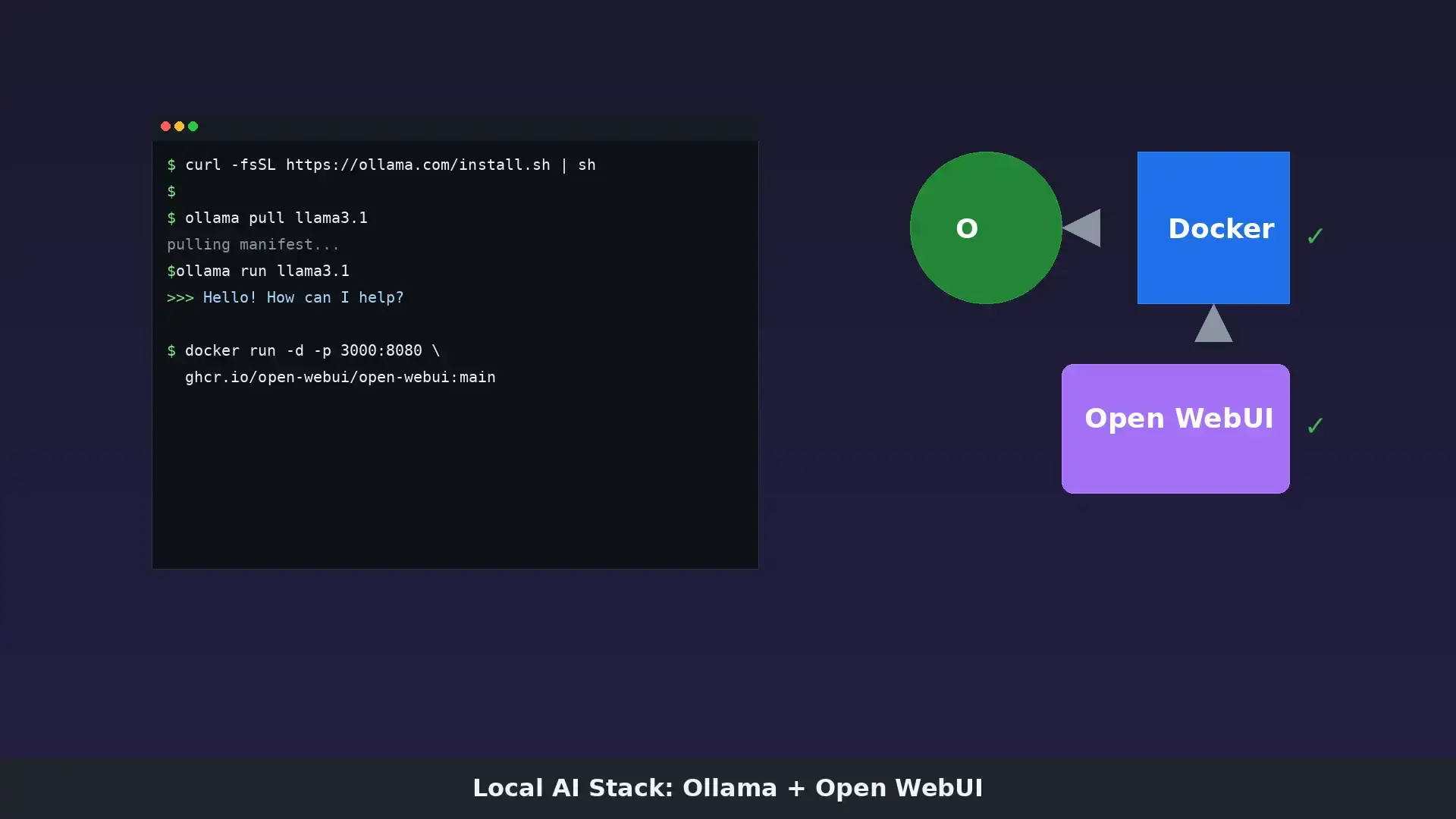
A step-by-step tutorial for running AI models on your own hardware using Ollama and Open WebUI — no cloud subscriptions, no data leaving your machine.
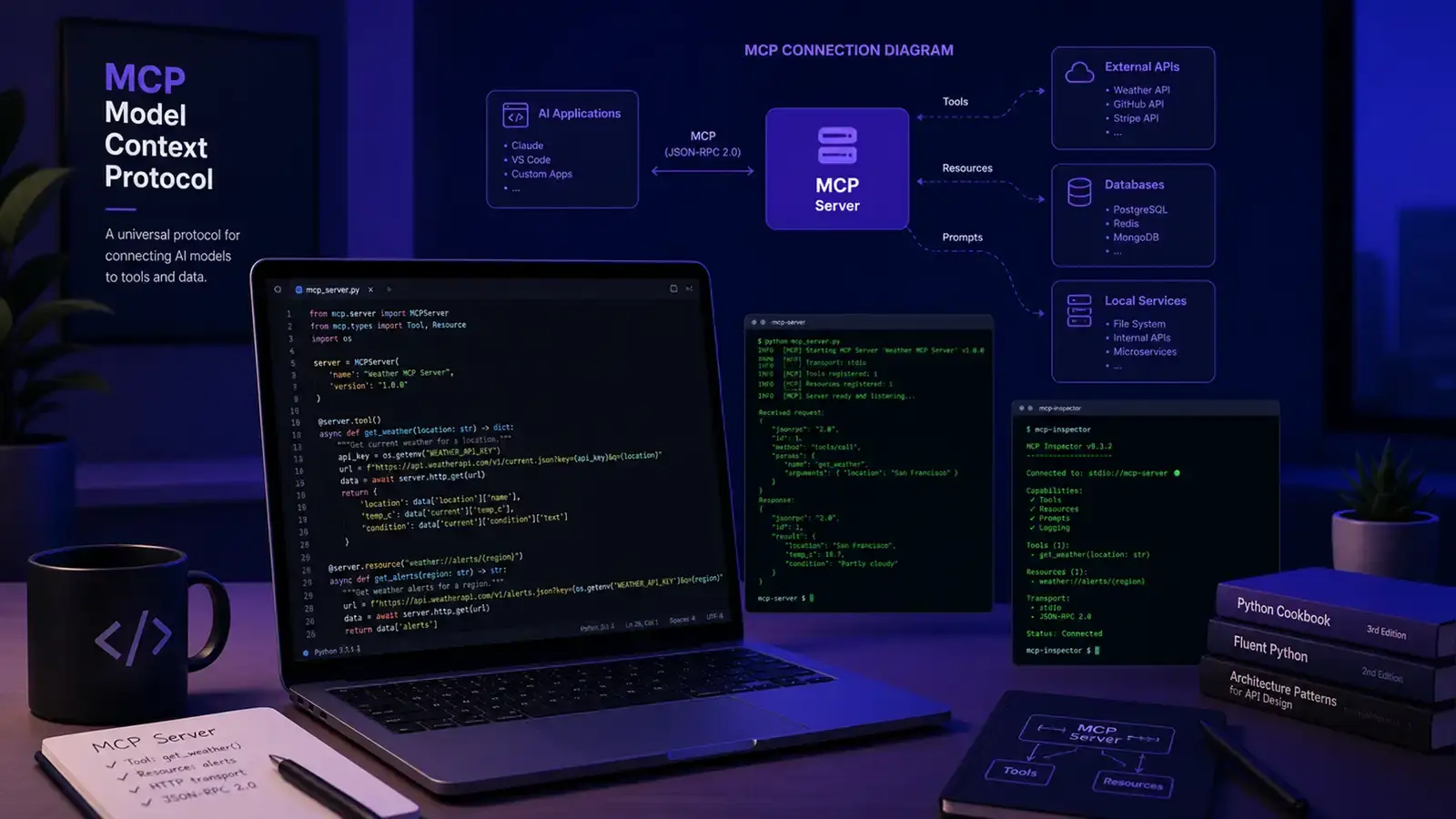
Step-by-step guide to building a Model Context Protocol server that connects AI agents to real-world APIs. From project setup to production deployment.
A complete, hands-on tutorial for building a Retrieval-Augmented Generation pipeline from scratch — from document loading and chunking to vector storage, retrieval, and answer generation with working code at every step.
Veracode's 2026 report found AI-generated code passes security checks only 56% of the time. Here's a practical audit checklist that catches what Copilot and Cursor miss.
AI coding tools save time on boilerplate but quietly erode the skills that make you valuable. A practical workflow guide for using them without losing yourself.
Claude Code is more than a coding chatbot. Learn how to set up event-driven hooks, custom skills, and MCP integrations to turn it into an automated development workstation — with real configuration examples.
A step-by-step beginner's guide to building collaborative AI agents using CrewAI, the fastest-growing multi-agent framework of 2026.
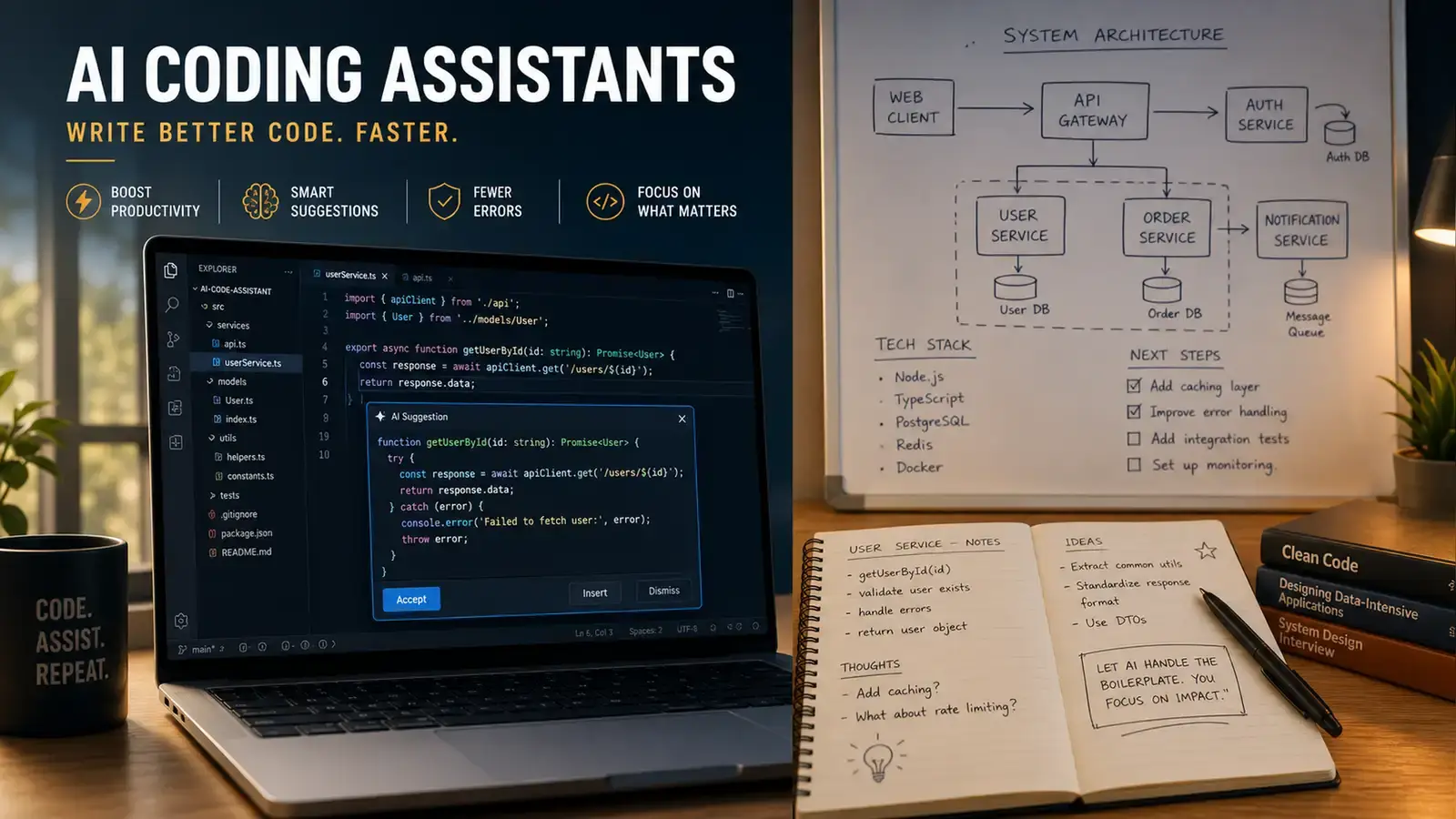
AI coding assistants have gone from novelty to necessity, but using them effectively requires more than typing prompts. Here's a structured workflow that turns AI agents from hit-or-miss tools into reliable development partners.
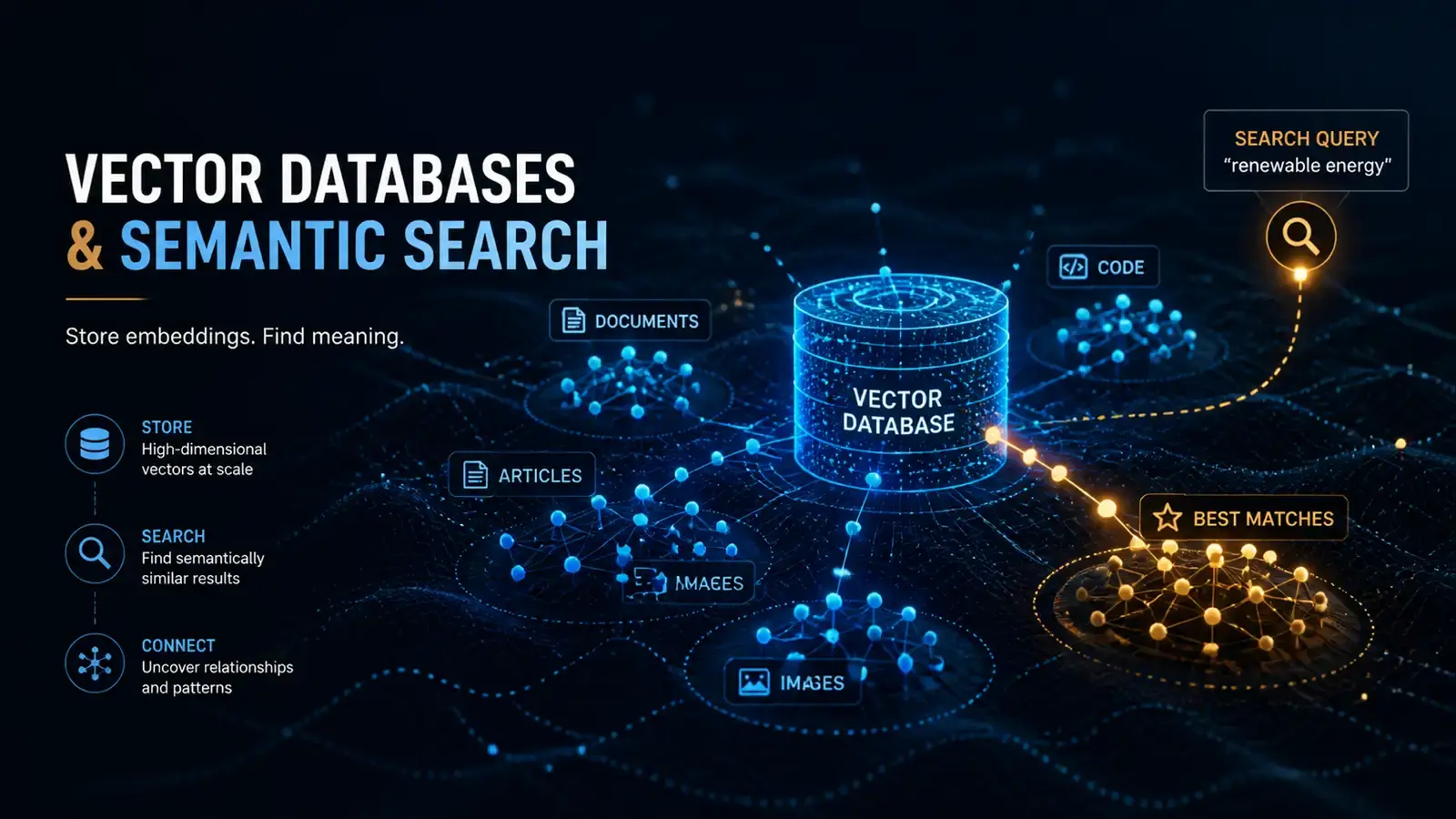
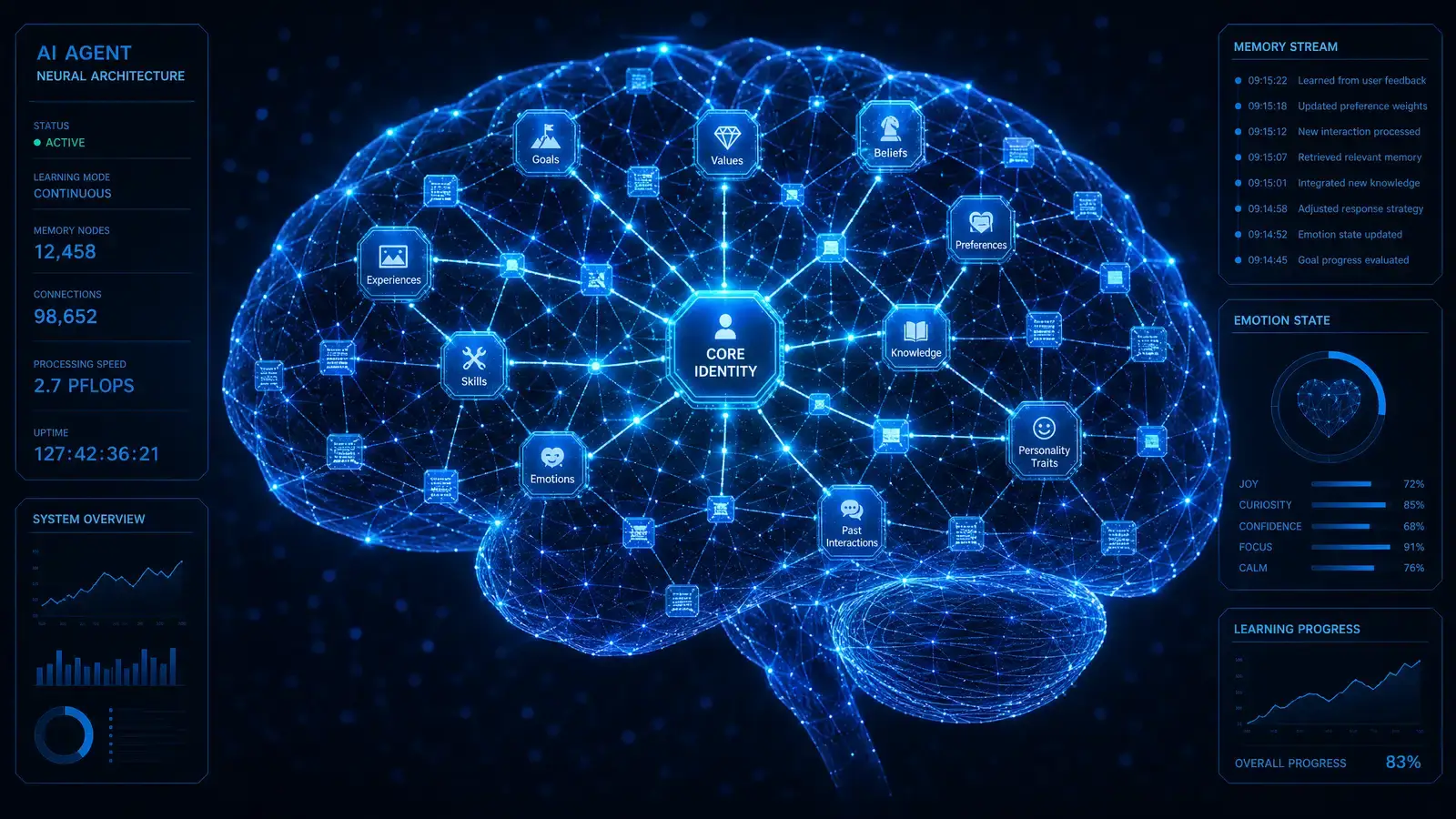
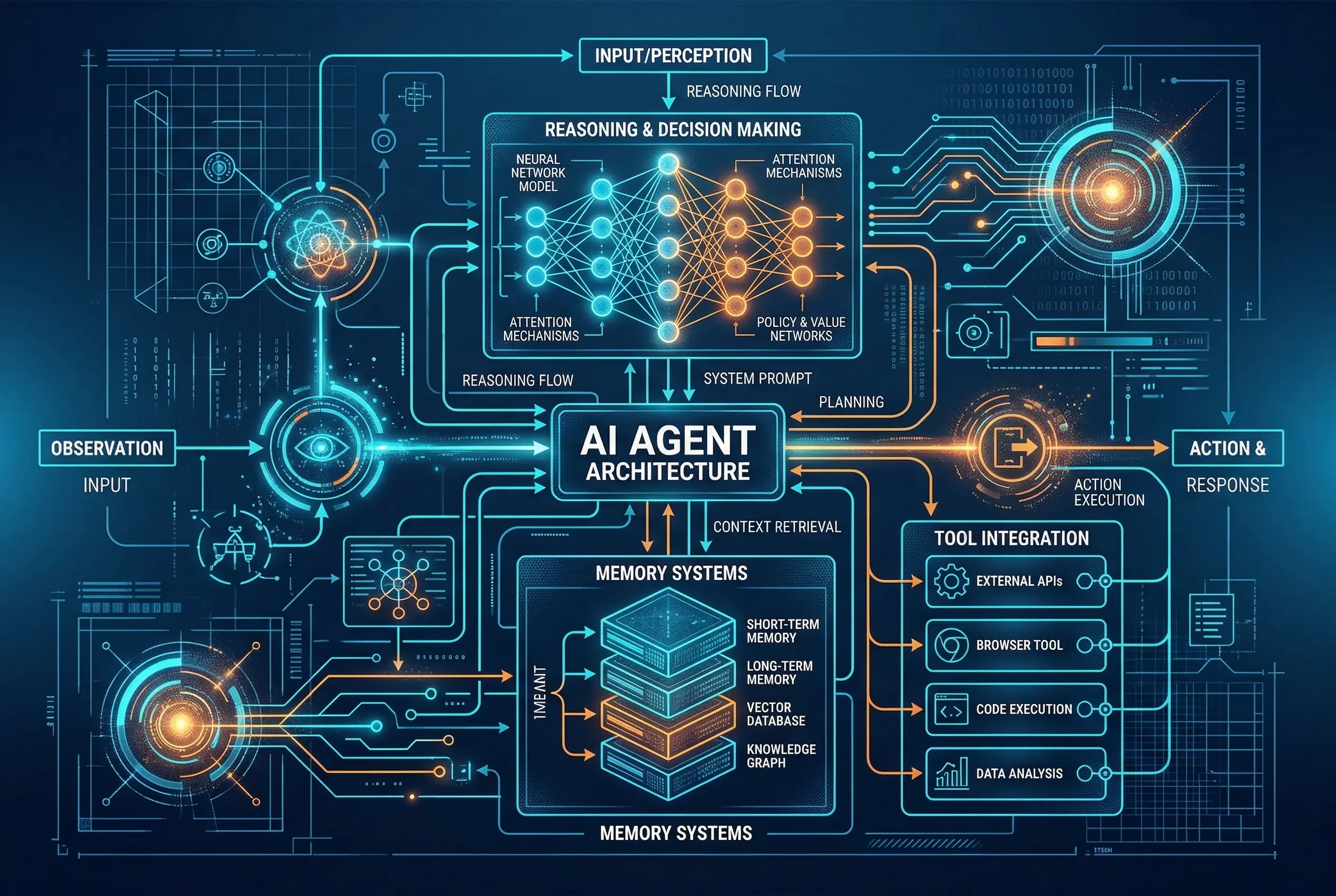
Memory systems are the defining feature of AI agents in 2026. This tutorial covers short-term memory, long-term storage, vector database integration, RAG architecture, and real-world deployment patterns.
Most AI agents lose context between conversations because of poor memory architecture. This guide covers short-term, working, and long-term memory patterns with practical Python examples.
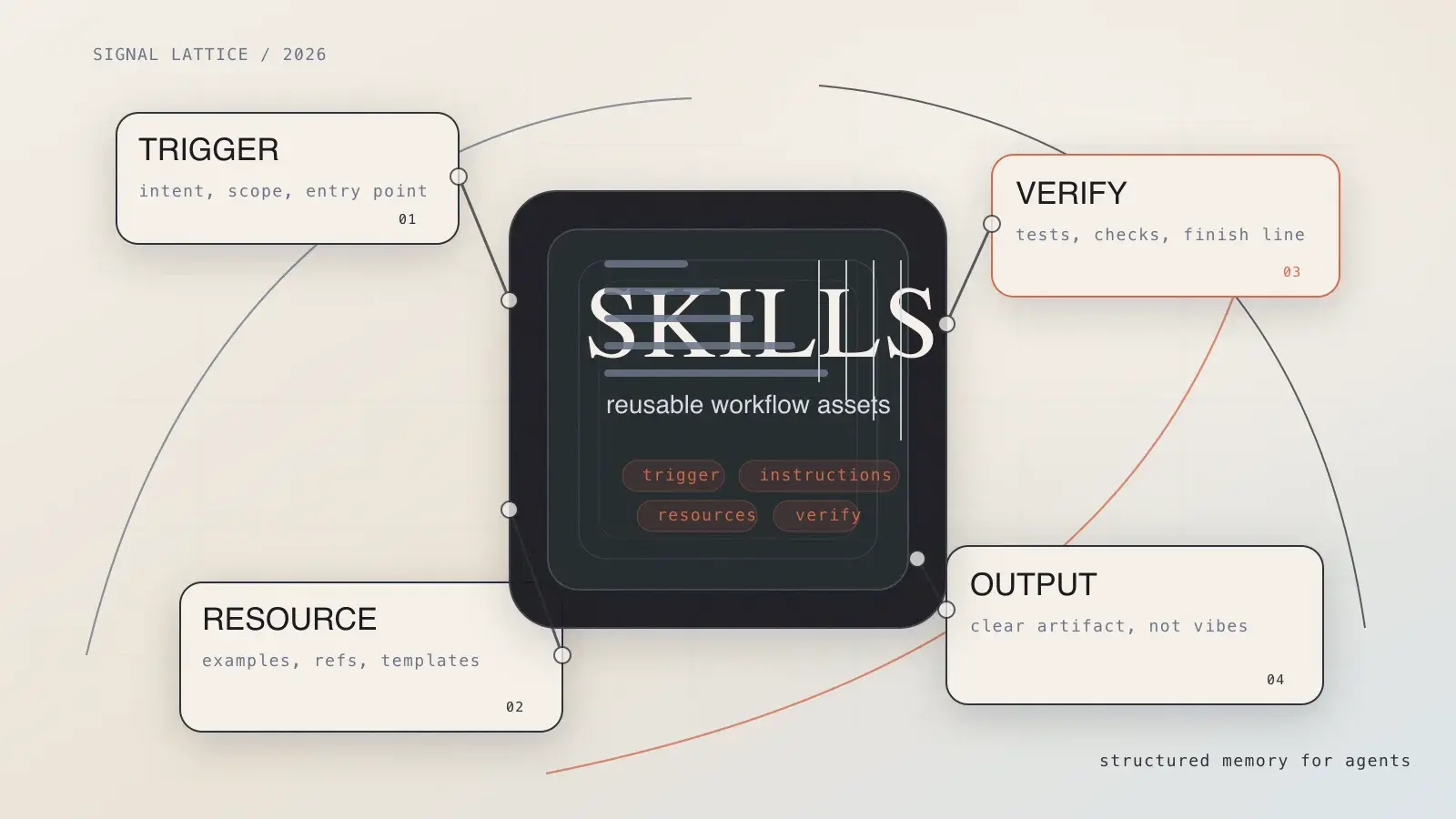
System prompts break down fast once a team starts using AI for real work. This guide shows how to decide when a task deserves a skill, how to structure it, and how to keep a shared skills library maintainable.
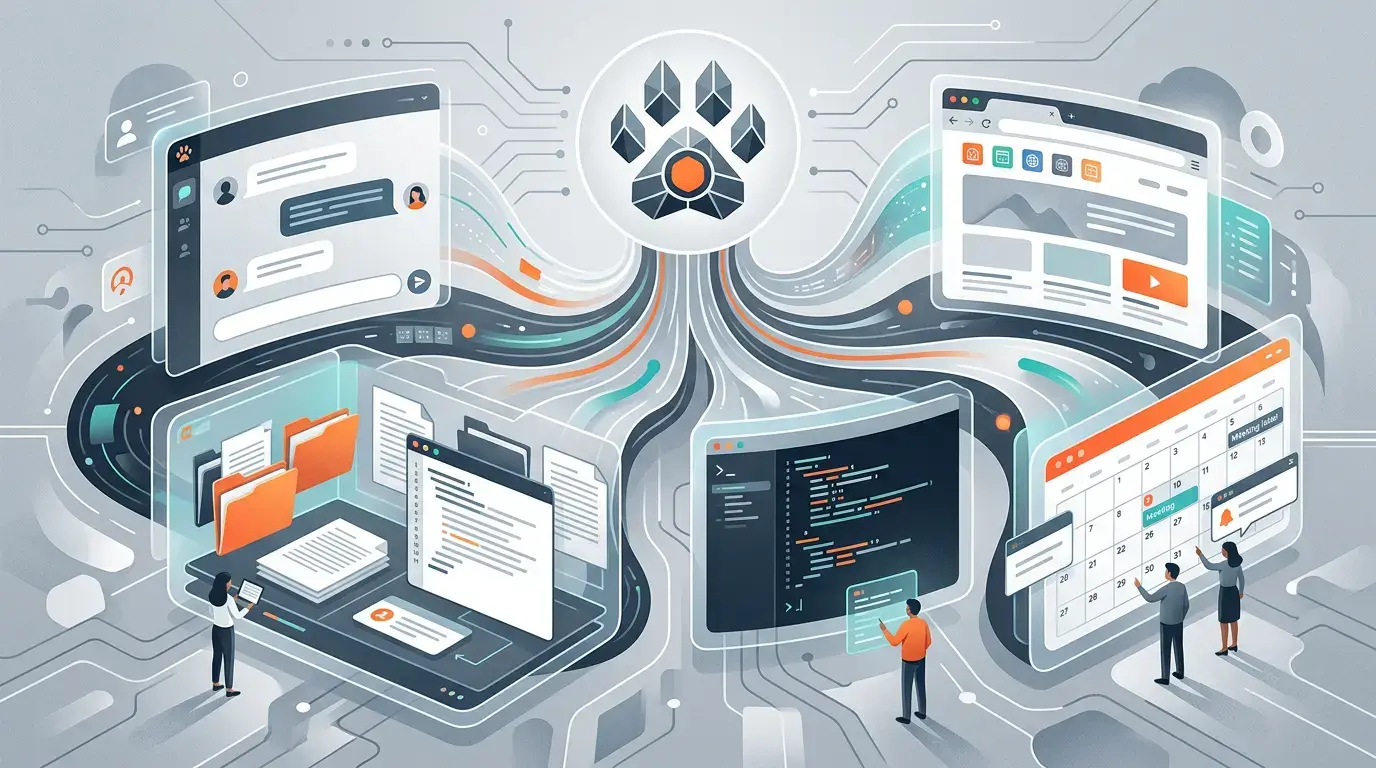
This bilingual guide breaks down six practical OpenClaw use cases, from messaging-based personal assistance and browser automation to workspace editing, local exec, heartbeat checks, and precise cron workflows.
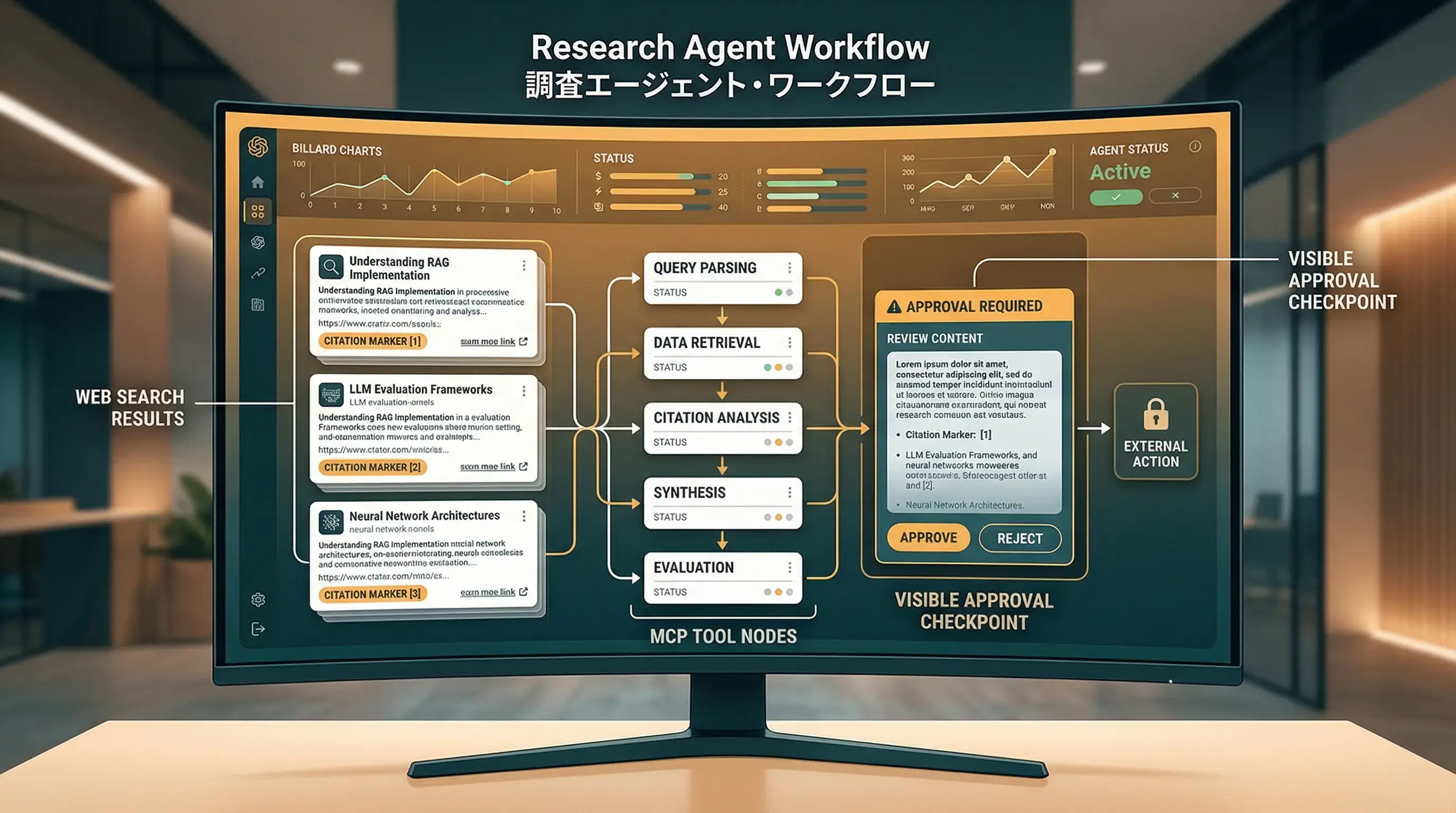
Learn how to build a practical research agent with OpenAI Agents SDK, Responses API, and Hosted MCP Tool. This guide focuses on architecture, approvals, and tool boundaries instead of toy demos.
Detailed tutorial on building real autonomous AI agents from scratch in 2026, including framework selection, tool integration, multi-step reasoning implementation, and production deployment best practices.
Complete guide to Claude Opus 4.6: 1M context window, Adaptive Thinking, Agent Teams, API configuration, and cost optimization. Get started with the most powerful Claude model.
AI tools have become essential for boosting work efficiency. This article shares five practical tips—from AI chatbots and search engines to knowledge management and meeting assistants—to help you significantly improve productivity in your daily work.
Learn MCP from scratch — build standardized AI Agent tool integrations with complete code examples, architecture design, and best practices.
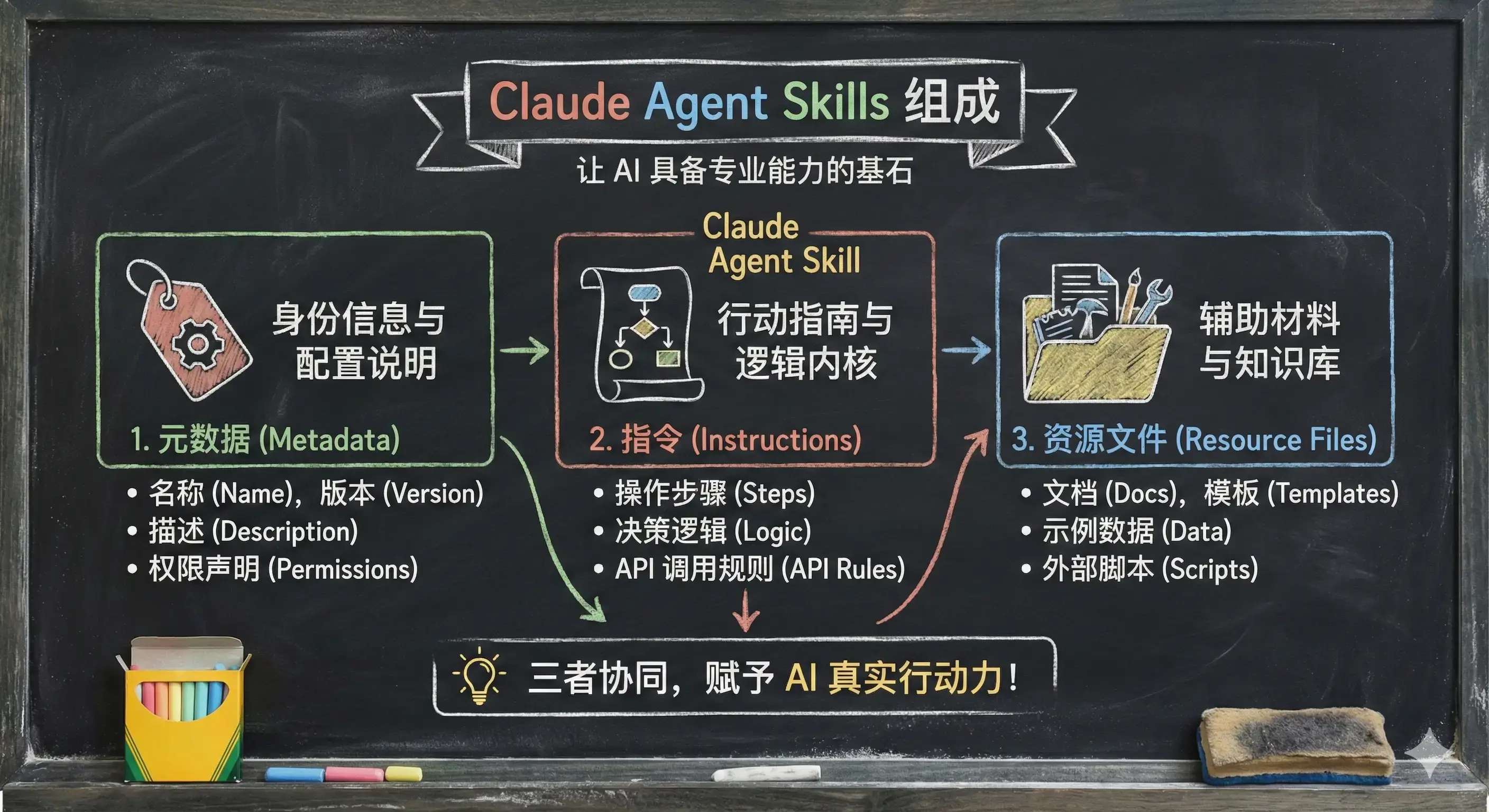
From prompt engineering to agent orchestration: Learn how to master Agent Skills and adopt the 'vanilla' yet powerful workflow of Claude Code's creator.
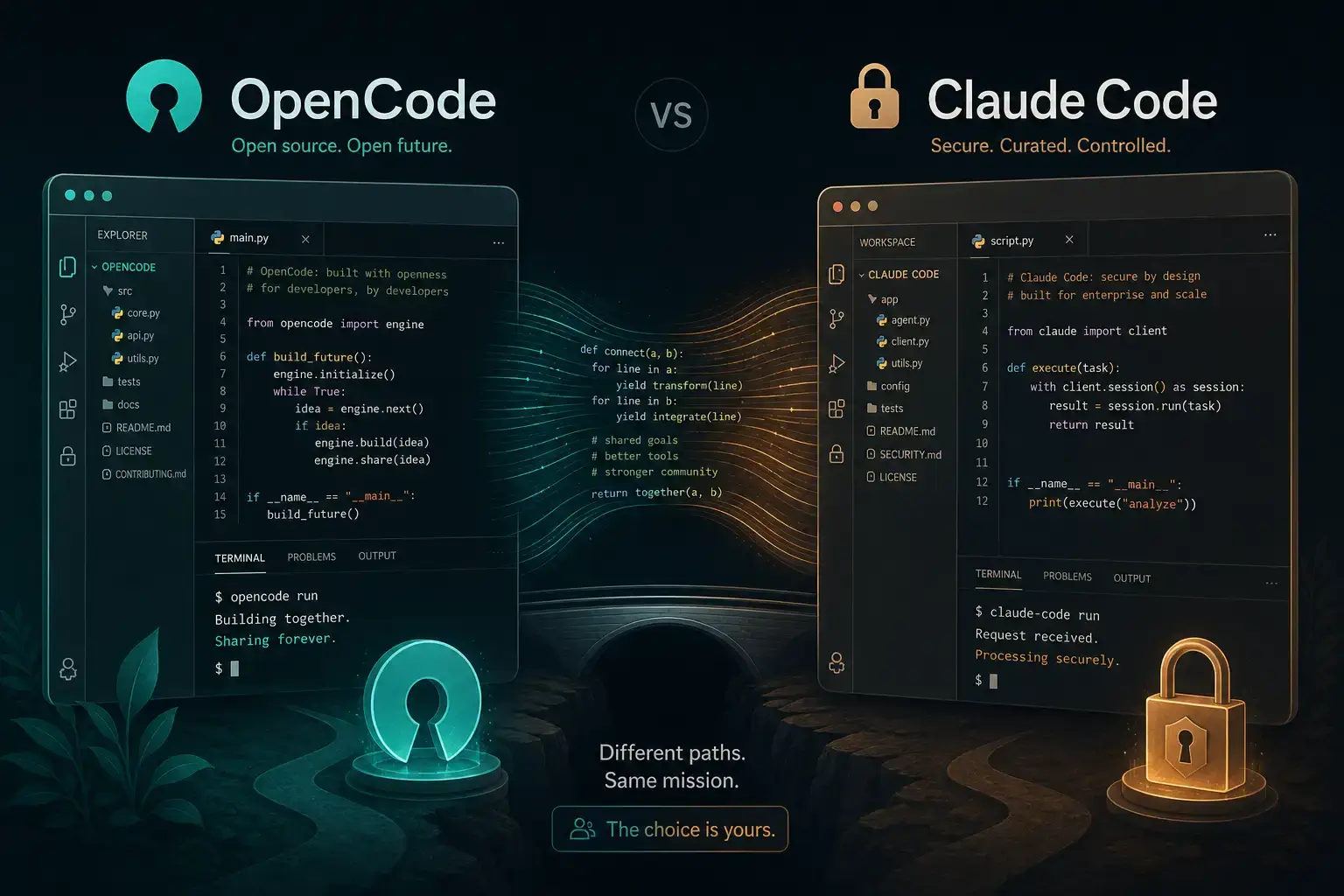
A practical guide to OpenCode, the open-source AI coding agent: installation on macOS, Linux and Windows, connecting cloud or Ollama models, Plan and Build agents, permissions, and Claude Code compatibility.
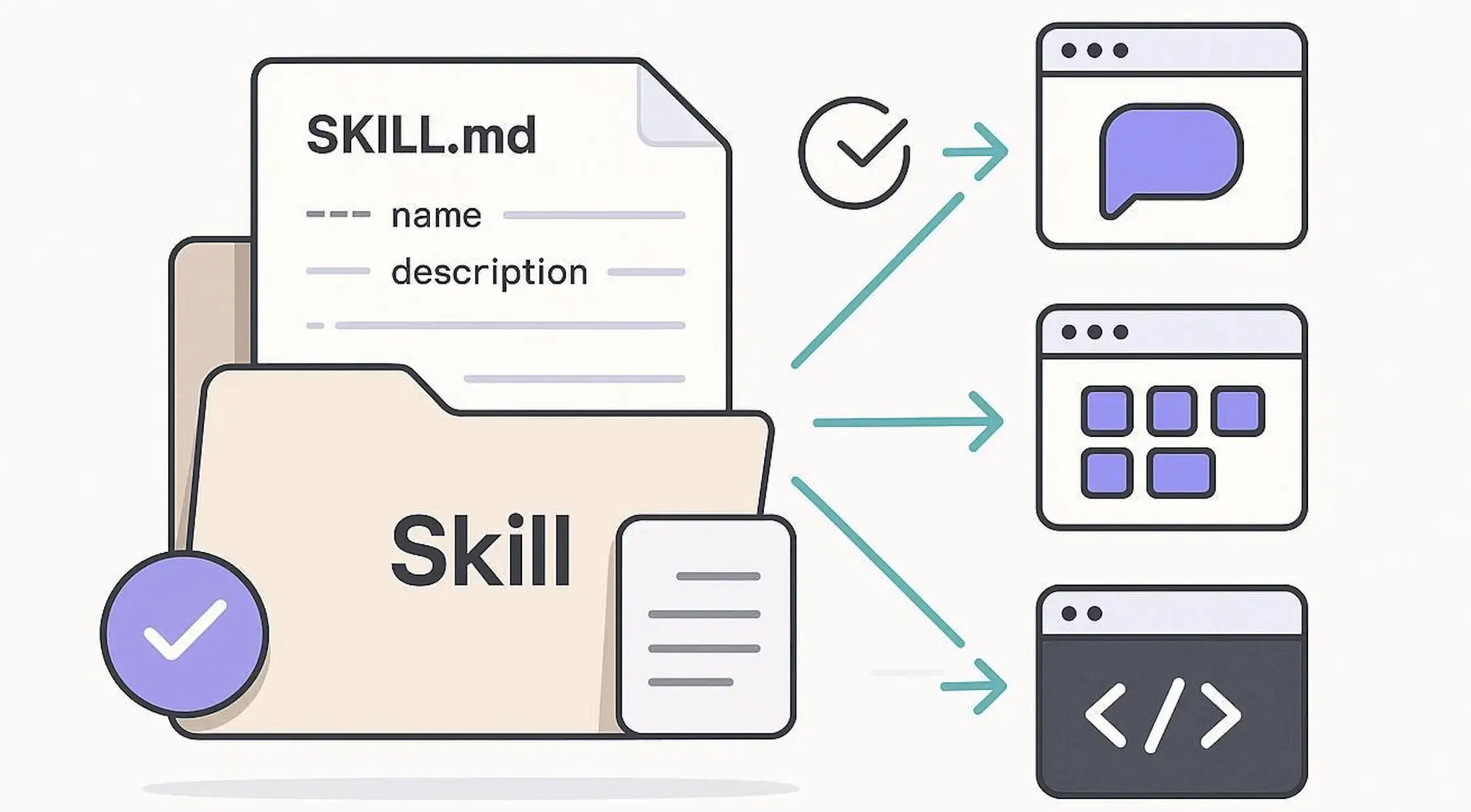
Agent Skills are not just saved prompts; they are the transition from 'chatting with AI' to 'engineering AI behavior.' Learn how to use progressive disclosure and modular Markdown to permanently fix your workflow context.
The tutorial section is designed for execution, not abstraction. We focus on step-by-step guides that help readers deploy tools, automate tasks, build agent workflows, and improve how AI is used in real projects.
Articles in this category are written to reduce trial and error. They explain setup paths, skill level, common mistakes, and alternatives, so readers can move from reading to doing without guessing the missing steps.
Most guides are written to stay readable for beginners while still being useful for intermediate and advanced readers.
Yes. We try to ground tutorials in tested workflows, reproducible steps, and official documentation whenever possible.
Start with your goal: deployment, automation, coding, or creative work. Then pick the guide that best matches your tool stack and time budget.