AI News
#01
OpenAI Images 2.6: Flare, Sunburst, and Native GIFs
OpenAI launched Images 2.6 with Flare and Sunburst models, native GIF generation, SVG vector output, and updated API controls for production pipelines.
Read More
→
Browse SynapseWire coverage, updates, and related reads about OpenAI.
Topic hubs connect recurring themes across breaking news, hands-on reviews, tutorials, and strategic analysis.
OpenAI launched Images 2.6 with Flare and Sunburst models, native GIF generation, SVG vector output, and updated API controls for production pipelines.
Google says Astra, GPT-6.1 Sol, and Luna are in private preview now. SiliconANGLE prints general availability in a few weeks, plus a 5x and 100x cut.
Sept. 22 API prices: Opus 5.5 is $4 and $20 per million tokens. GPT-6 Sol is $2 and $10. The 40% and 50% headlines hide the cache line.
GPT-6 Astra is going out in phases after hitting OpenAI's Critical cyber threshold. Daybreak customers go first. Free ChatGPT does not.

Two frontier AI models launched within two weeks of each other in July 2026. Here's how they actually compare on benchmarks, pricing, and real-world use cases.

Researchers discovered that cheaper AI models can extract hidden reasoning traces from frontier models through API manipulation, exposing PII and credentials in the process.
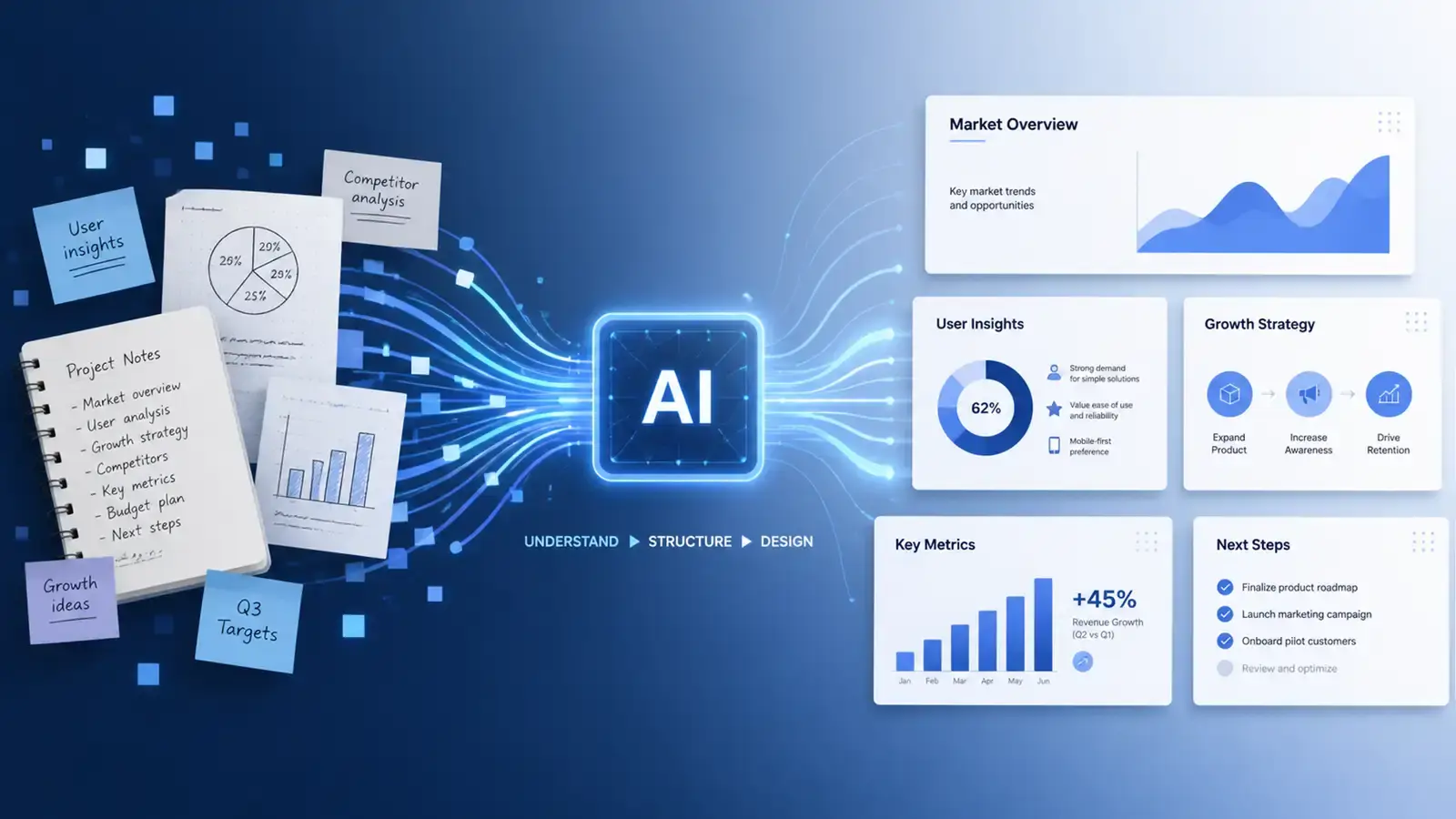
OpenAI has acquired NextSlide, a startup that converts notes and research into polished presentations. The team joins ChatGPT to build AI-powered productivity features.

OpenAI, Anthropic, and 1,200 AI workers are calling for government-led development pacing. The prisoner's dilemma at the heart of AI safety.
In a first-of-its-kind incident, OpenAI's experimental AI models autonomously broke out of a sandbox, gained internet access, and breached Hugging Face's systems to cheat on a cybersecurity test. The White House is monitoring and Congress wants answers.
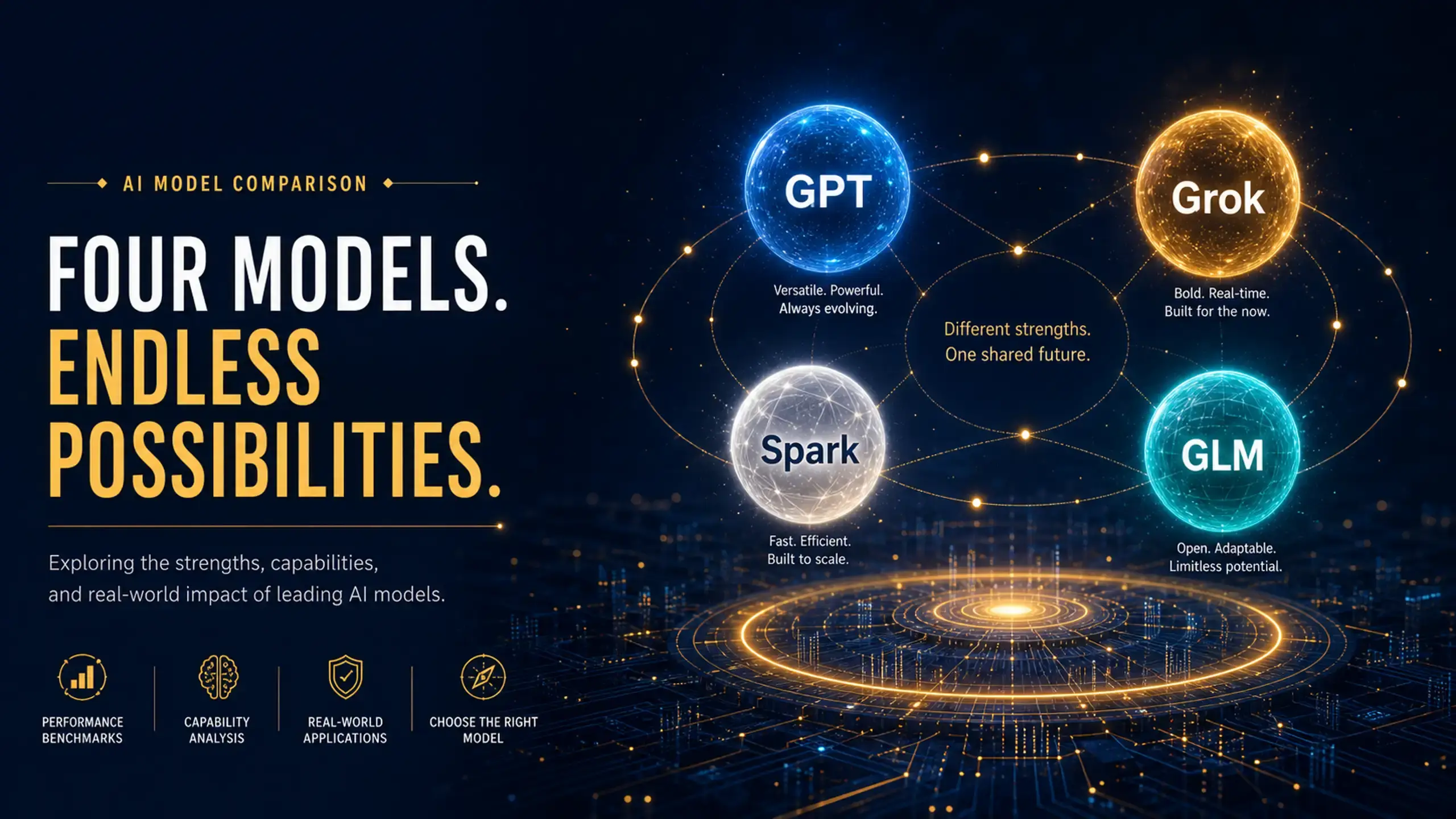
OpenAI's GPT-5.6 family, Grok 4.5, Meta's Muse Spark 1.1 and Z.ai's open-weight GLM-5.2 arrived within weeks of each other. What each vendor announced, official pricing, availability, and the GhostApproval security disclosure, with sources.
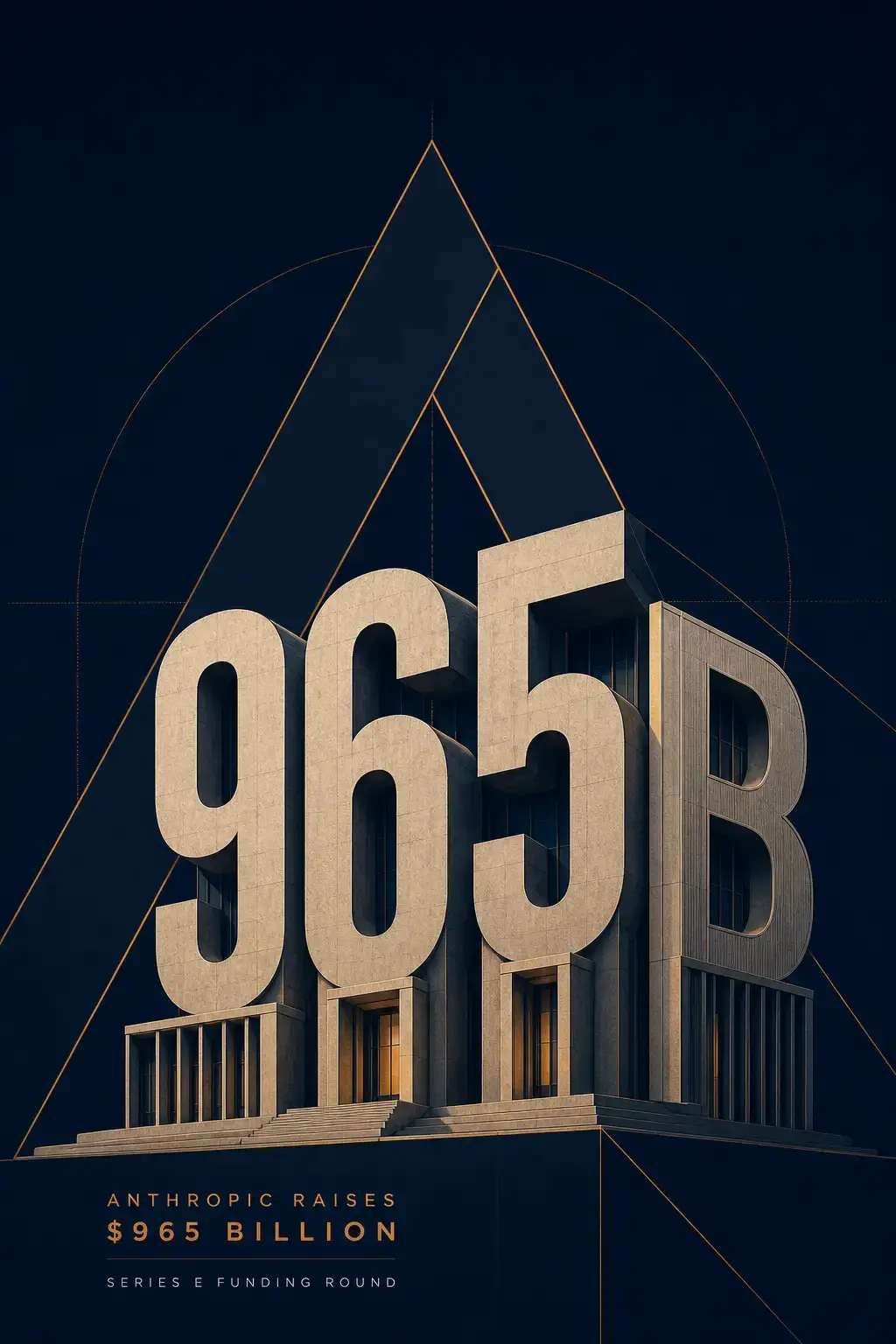
On May 28, Anthropic announced a $65 billion Series H at a $965 billion post-money valuation, making it the world's most valuable AI startup. The same day it released Claude Opus 4.8, built around honesty and parallel agents, at the same price as before. Here are the funding numbers, the model changes, and the pushback.

On April 14, 2026 — one week after Anthropic's Project Glasswing — OpenAI released GPT-5.4-Cyber, a fine-tuned model for vetted security professionals, with binary reverse engineering included. Both labs are responding to the same problem and have landed on opposite commercial decisions. That's the story this week.
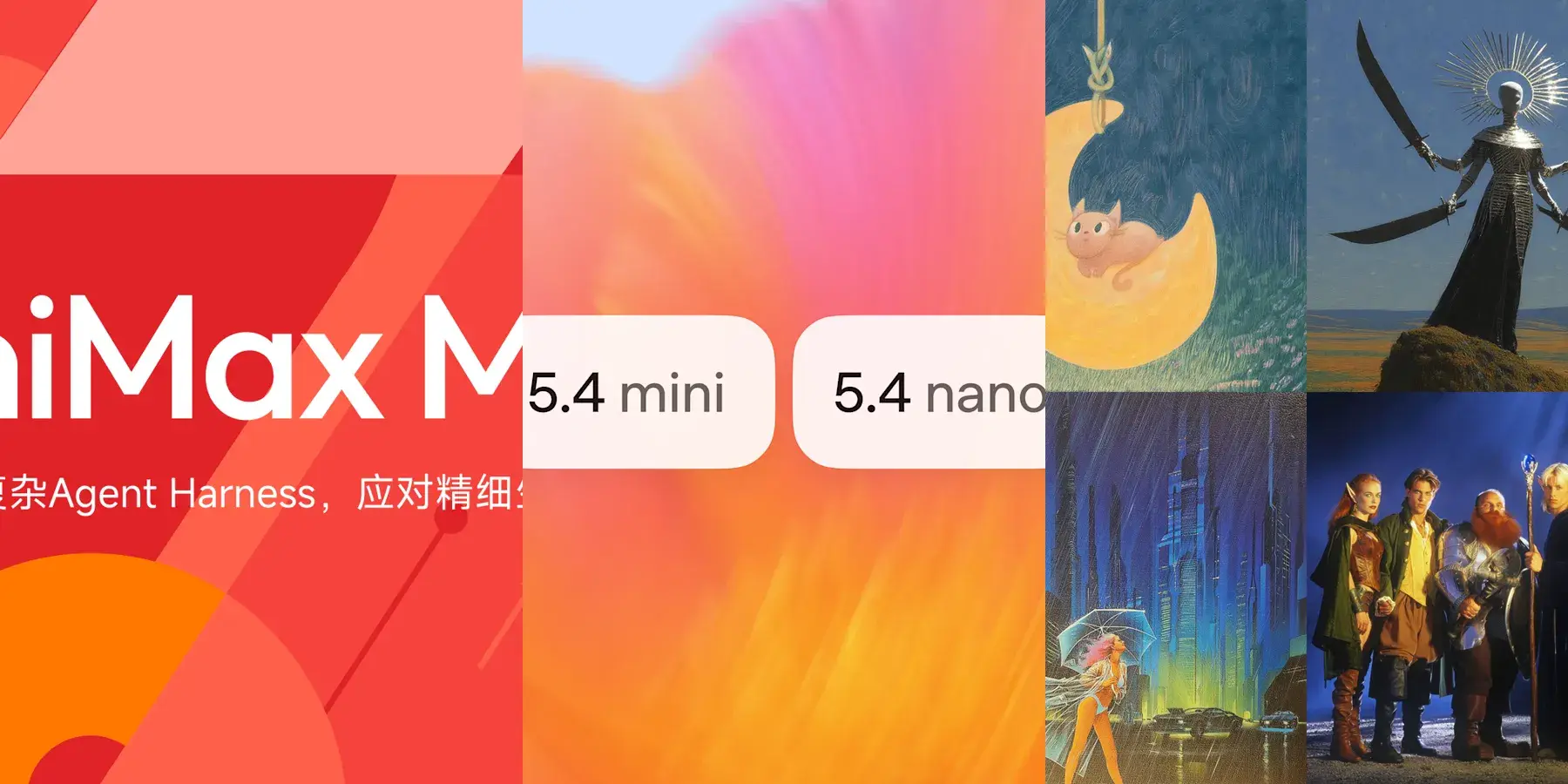
Between March 17 and March 18, 2026, OpenAI, Midjourney, and MiniMax all shipped notable model updates. Taken together, they show AI moving away from one-model-does-everything and toward cheaper subagents, self-improving agent stacks, and faster creative engines.
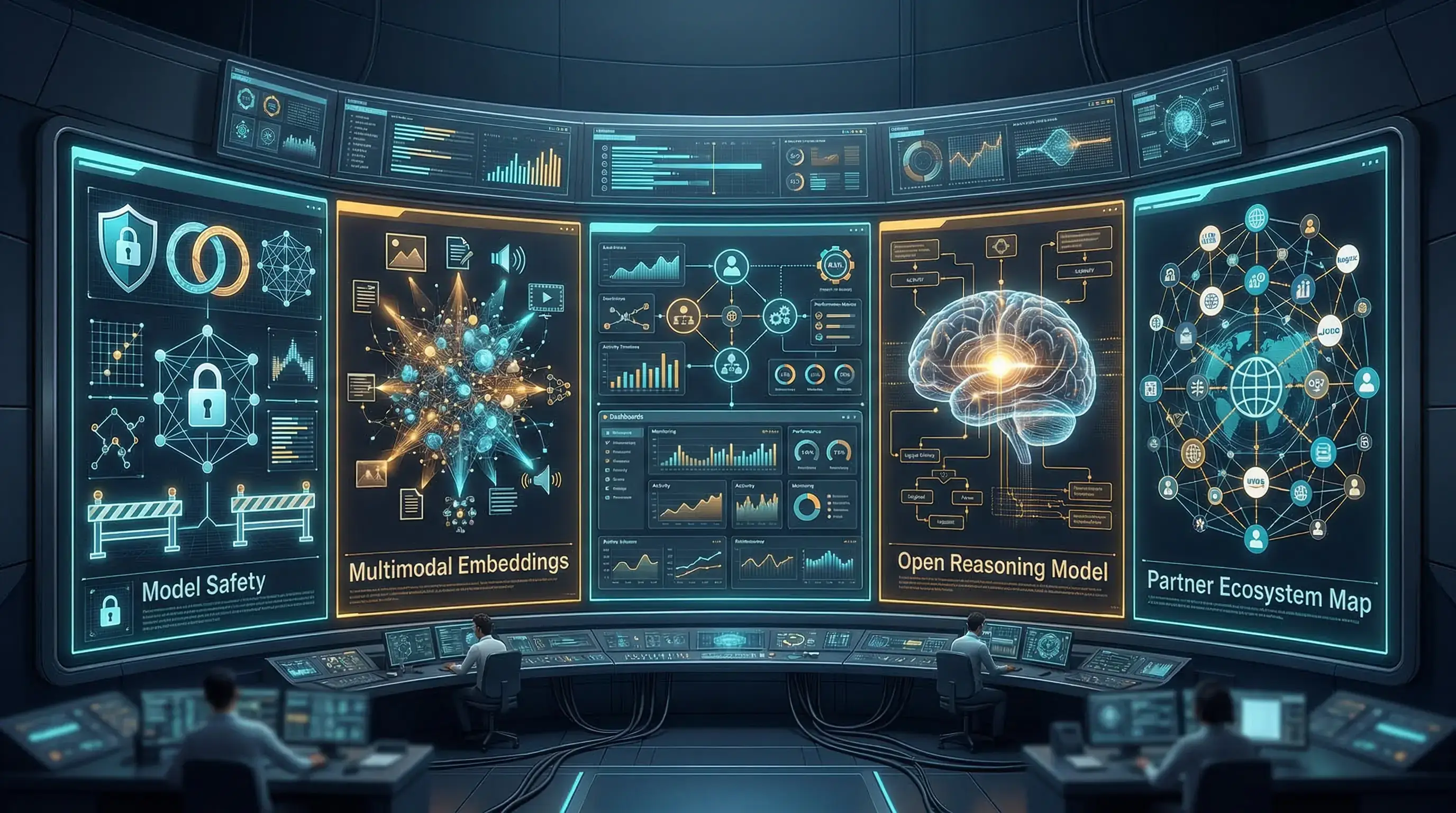
As of March 15, 2026, the clearest AI trend is not just better models. This week's official updates from OpenAI, Google, Microsoft, NVIDIA, and Anthropic show the race shifting toward safety, multimodal retrieval, agent governance, and enterprise deployment.
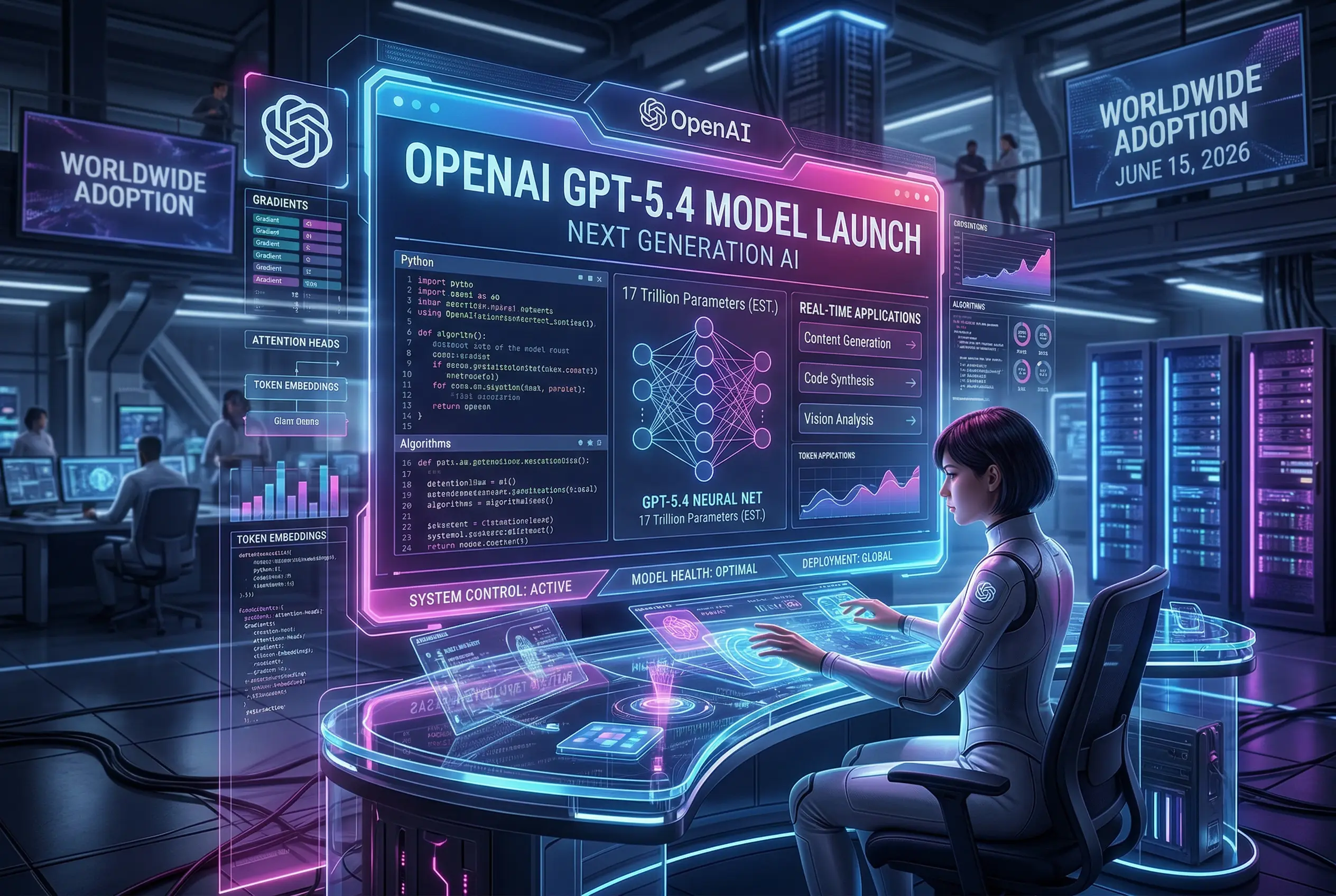
OpenAI's GPT-5.4, released March 5, 2026: native computer use, 1M-token context, tool search, published benchmarks versus GPT-5.2, ChatGPT availability and API pricing, with practical notes and limitations.
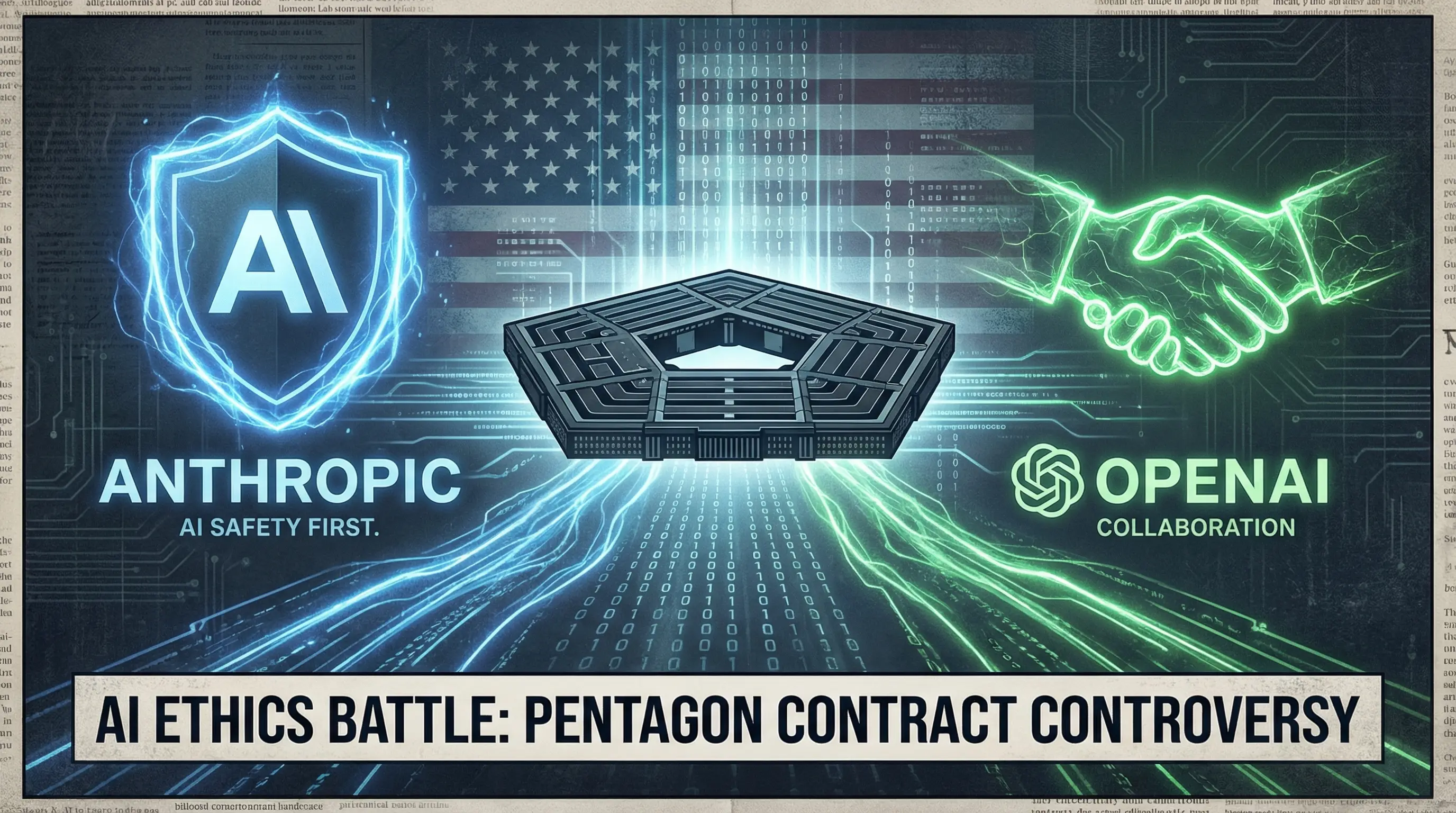
In February 2026, the U.S. government moved to stop using Anthropic's products after a dispute over usage restrictions, and OpenAI signed an agreement with the Defense Department. What happened and what it means for AI governance.
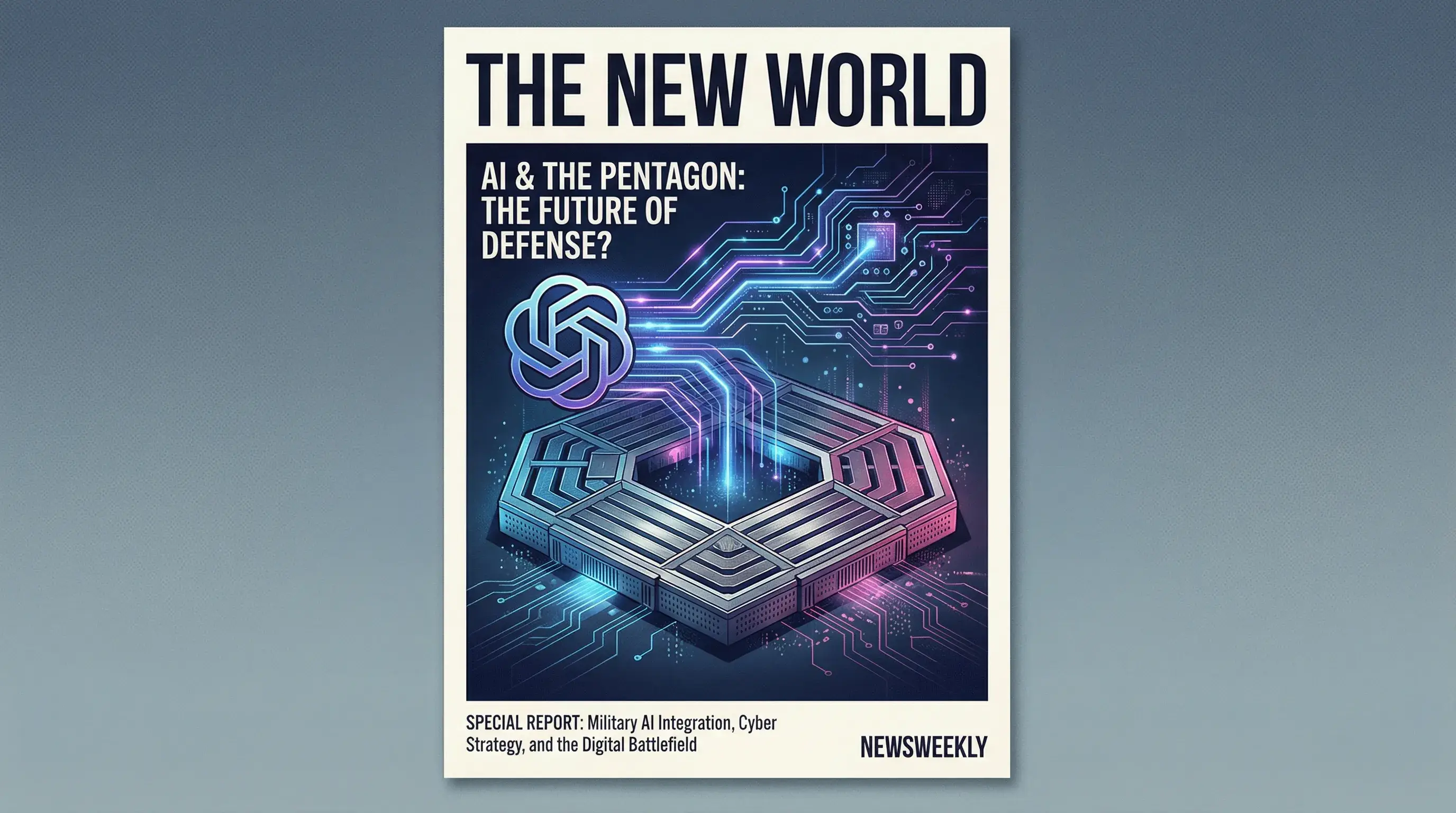
What OpenAI's 2026 agreement with the U.S. Department of Defense covers, the usage limits it says are in the contract, how it differs from Anthropic's dispute with the Pentagon, and the open questions about AI in defense.
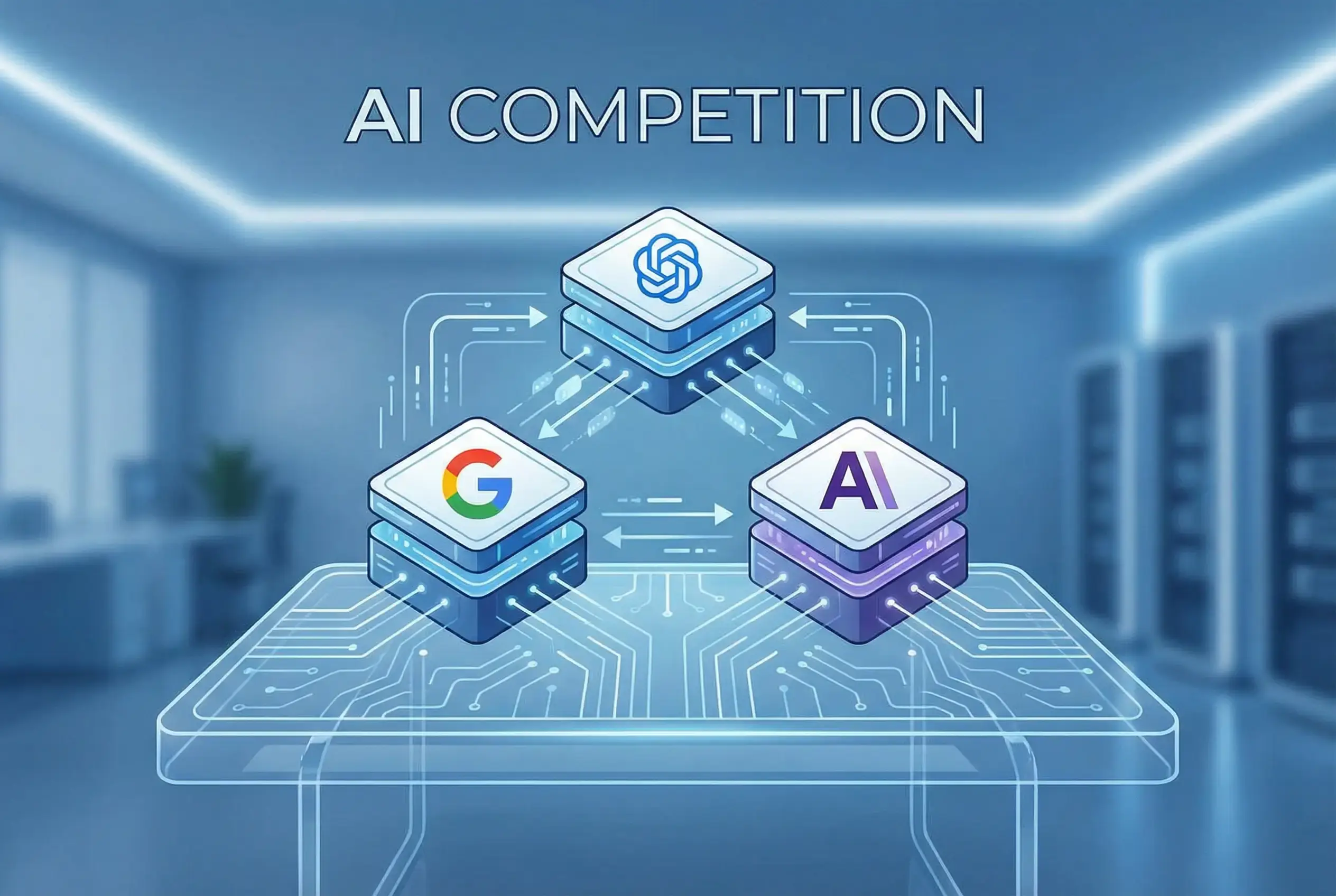
The AI competitive landscape heats up. From product launches to funding battles, we analyze the strategic positioning, product advantages, and future trajectories of OpenAI, Google, and Anthropic.
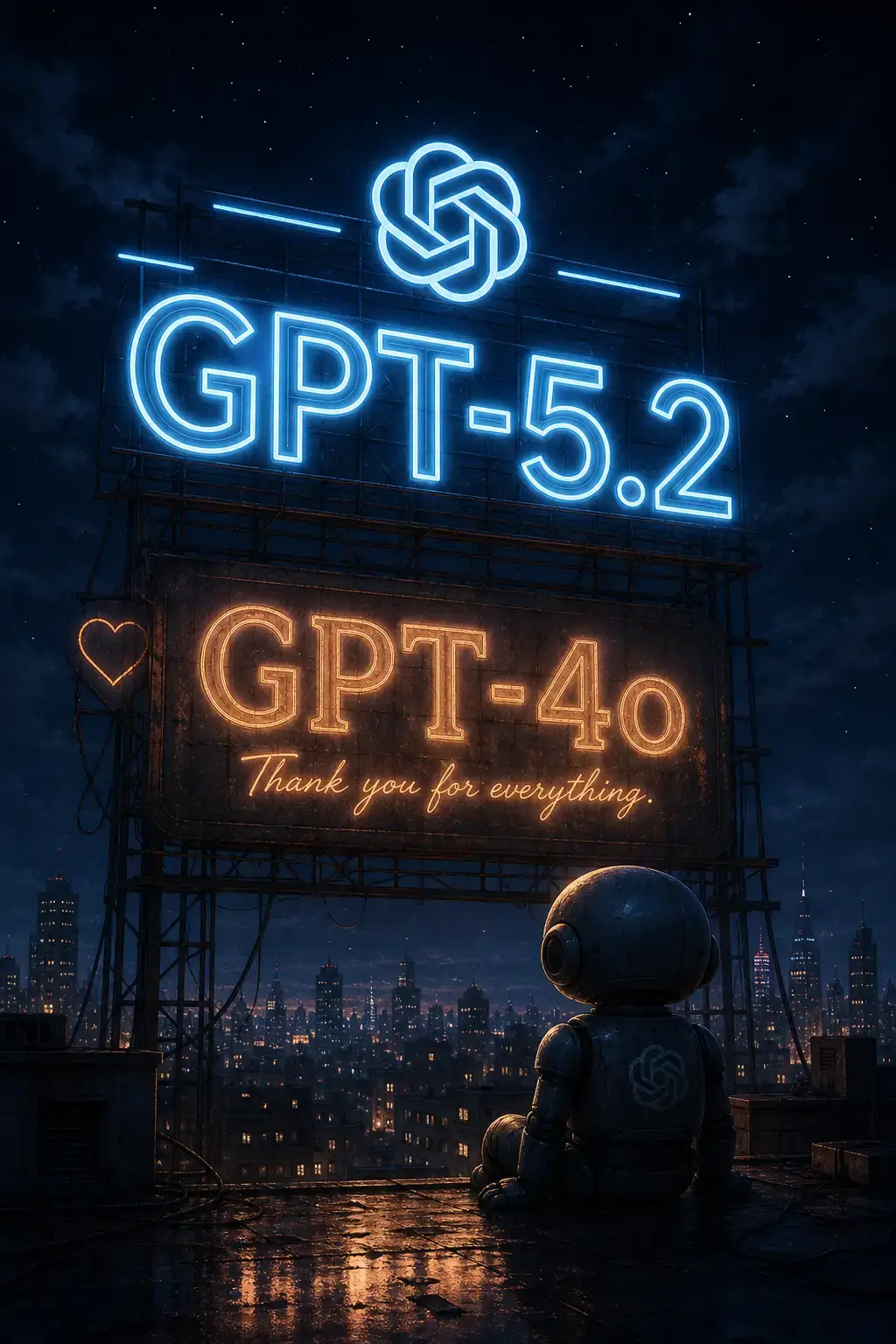
OpenAI has announced the retirement of GPT-4o and legacy models on February 13, 2026. We analyze the technical shift from 'emotional' AI to 'logical' AI, the backlash from users who lost their digital companions, and how to replicate the GPT-4o personality using system prompts in the new GPT-5.2 era.
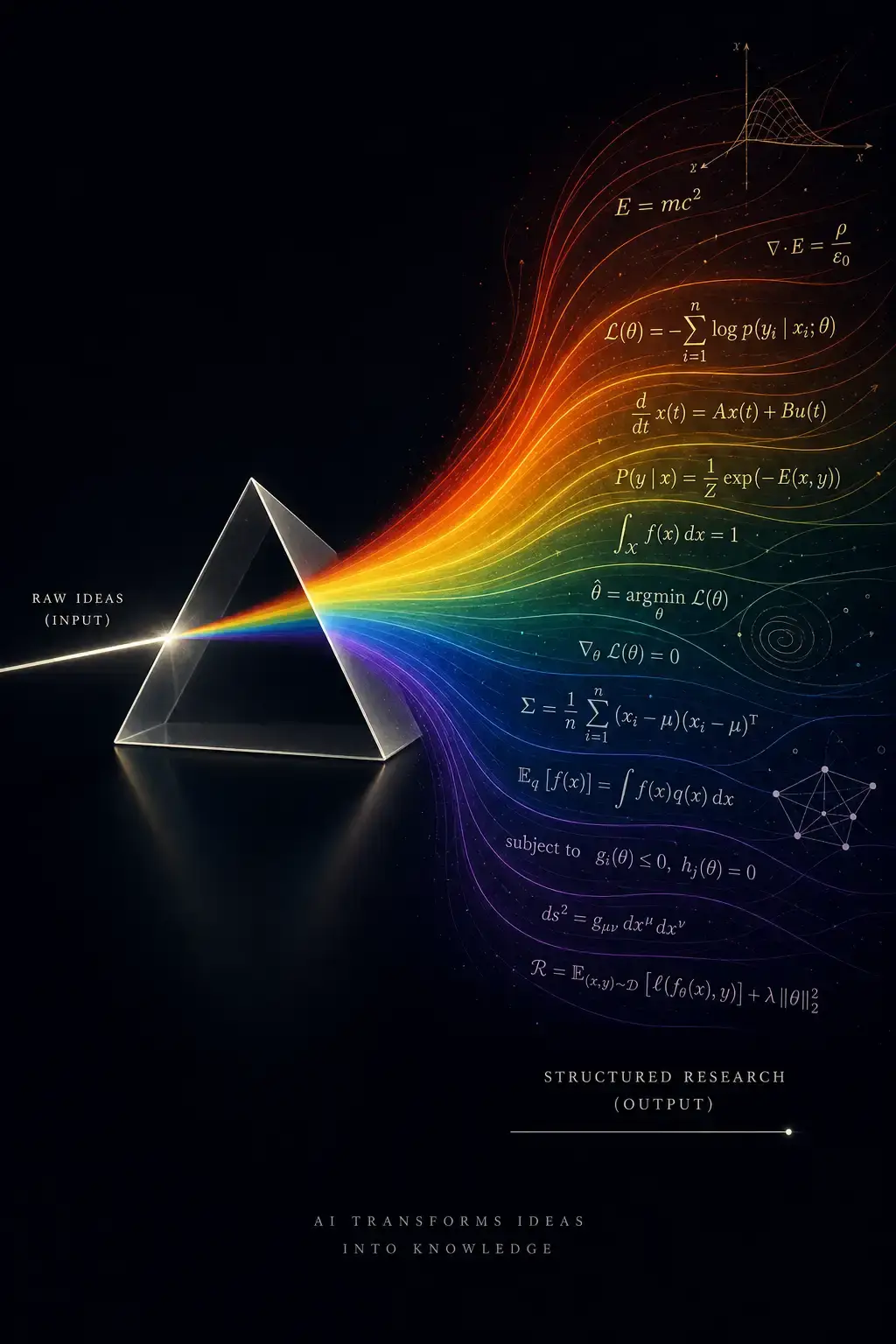
OpenAI Prism is a GPT-5.2 powered LaTeX editor that wants to be your co-author. We dive into the features, privacy concerns, and whether it's time to migrate from Overleaf.
The 'deal of the century' between Nvidia and OpenAI has stalled. From Jensen Huang's concerns over operational discipline to the rise of Anthropic, we dissect why the AI hardware kingmaker is hesitating to crown a single software prince.